
 English
 中文简体
中文简体 русский
 Français
 Español
 عربى
عربى CONTACT US


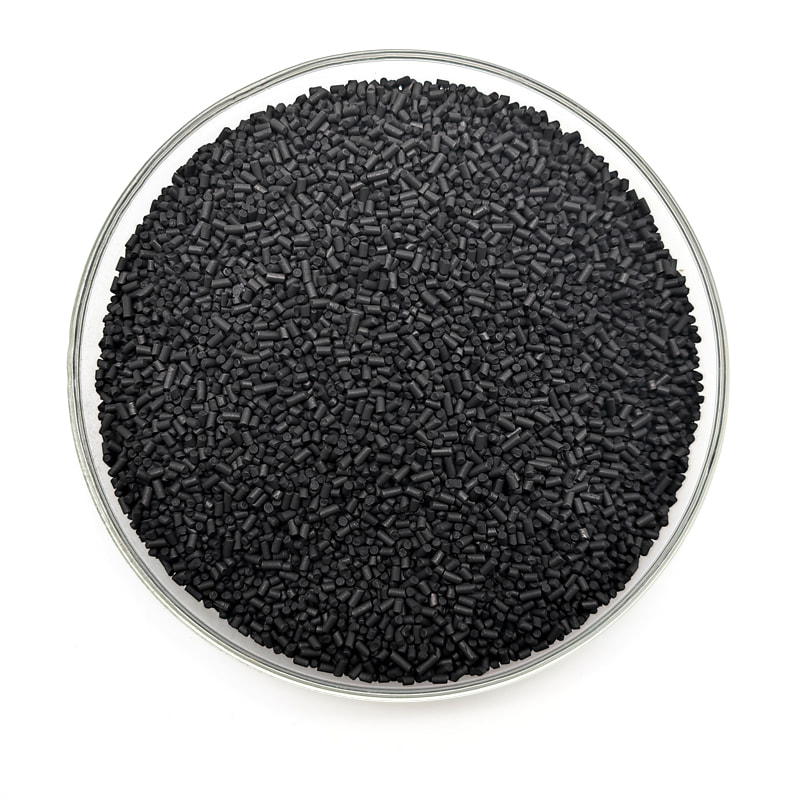
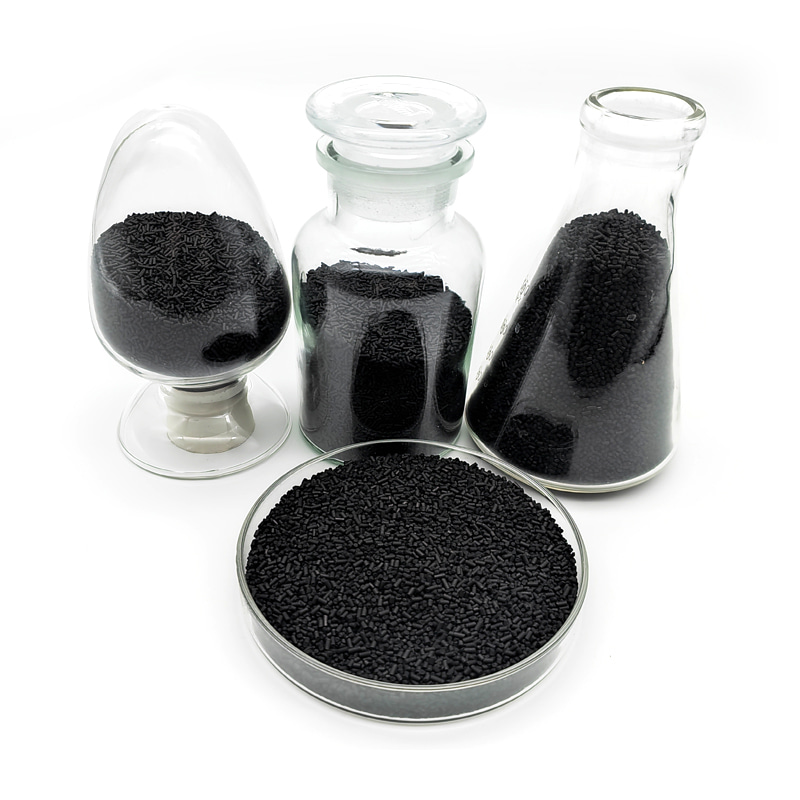
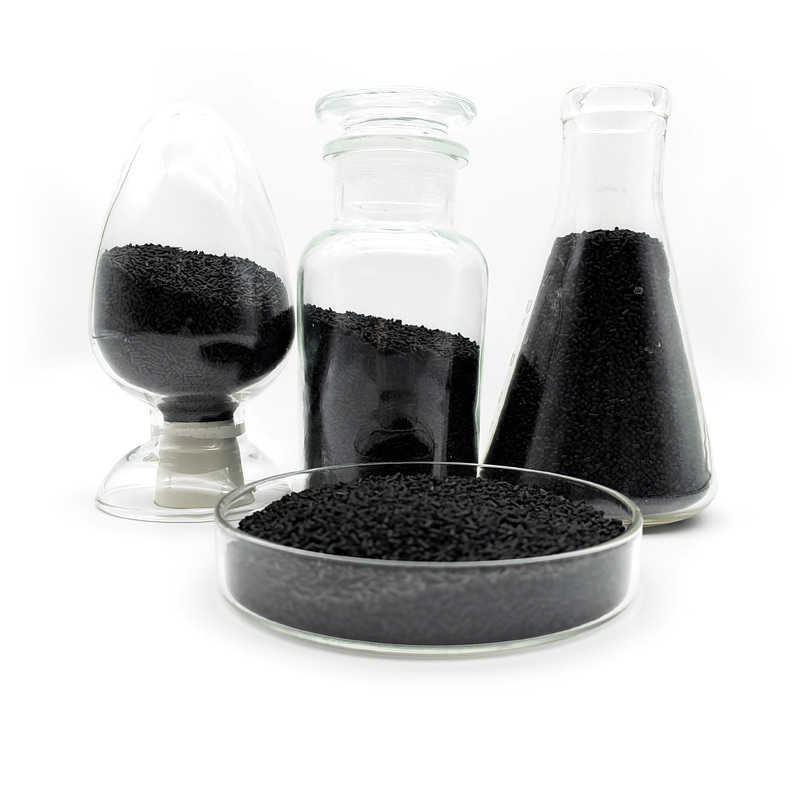
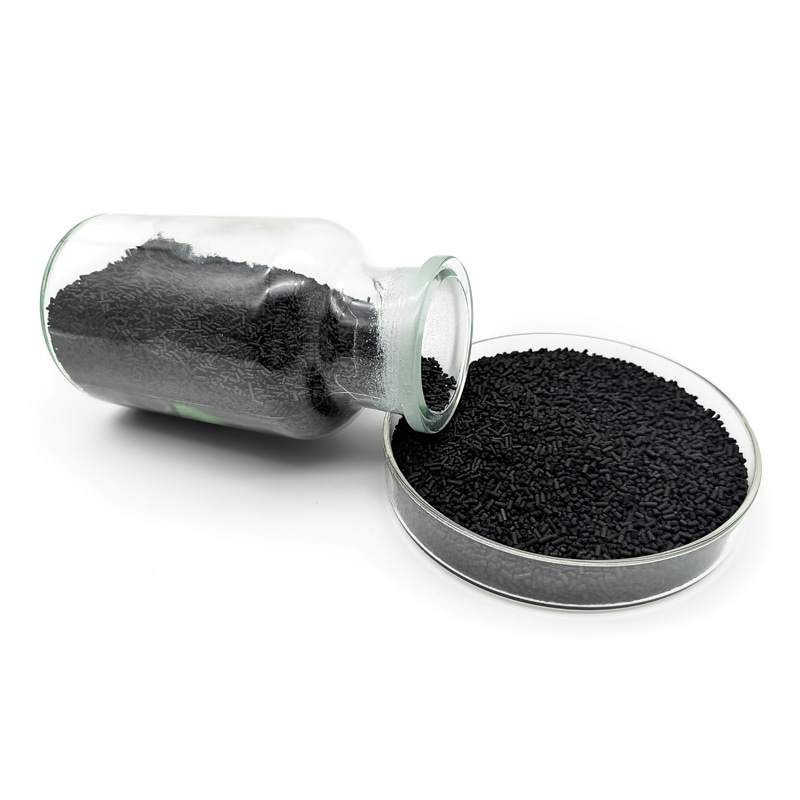
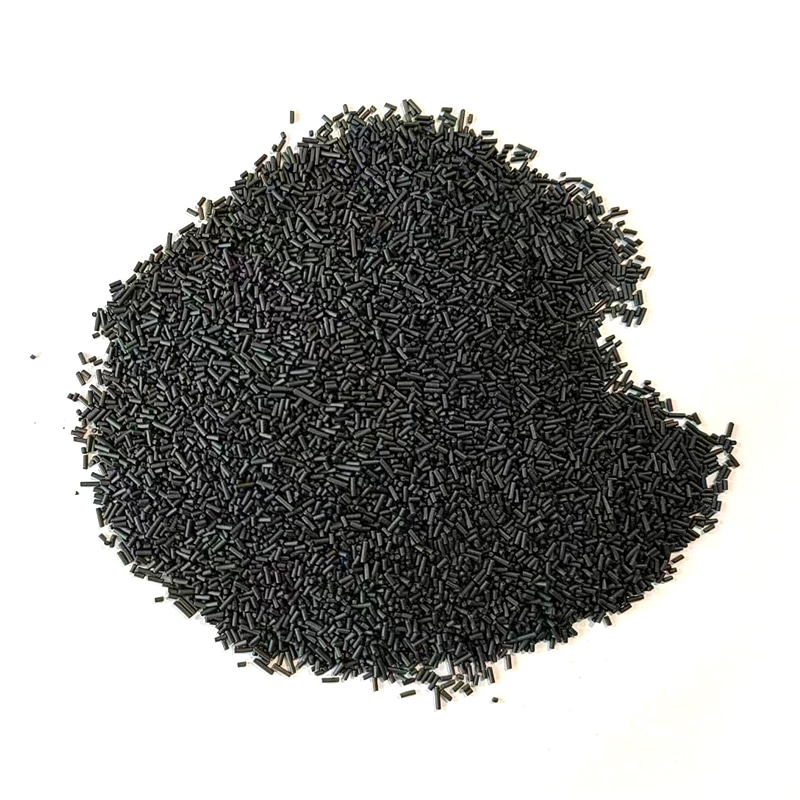
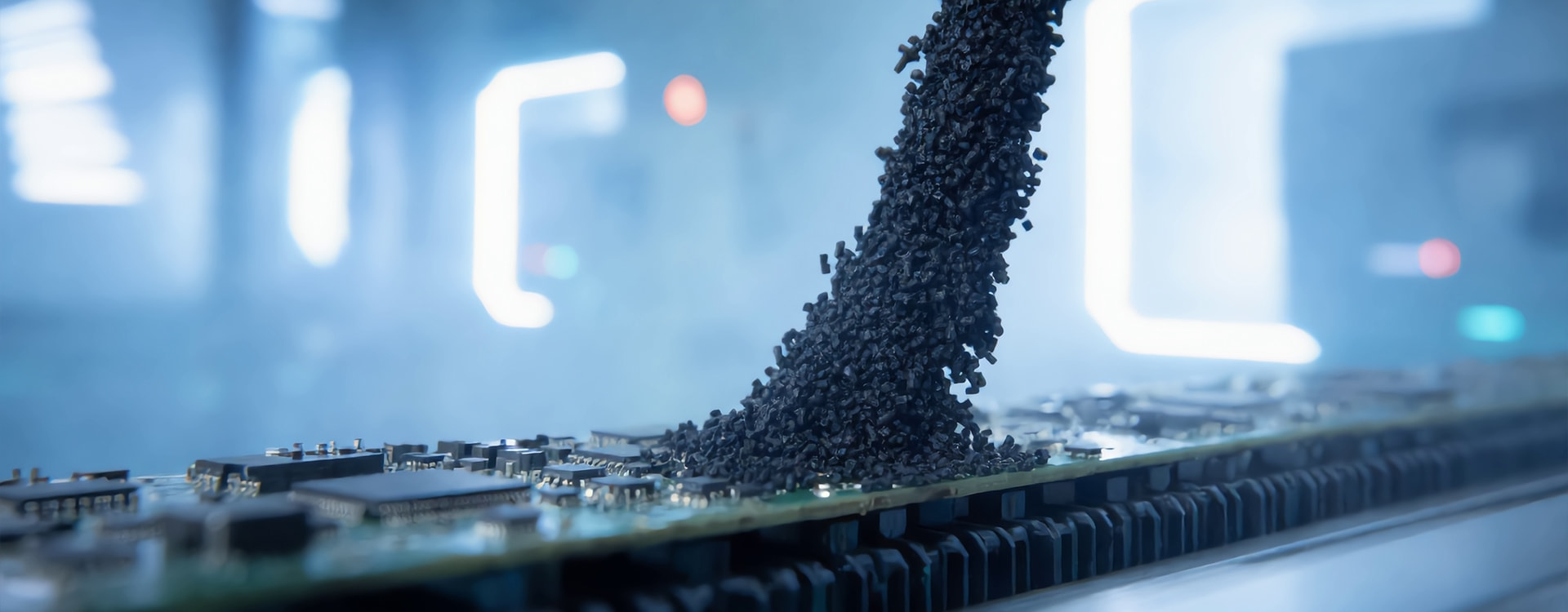
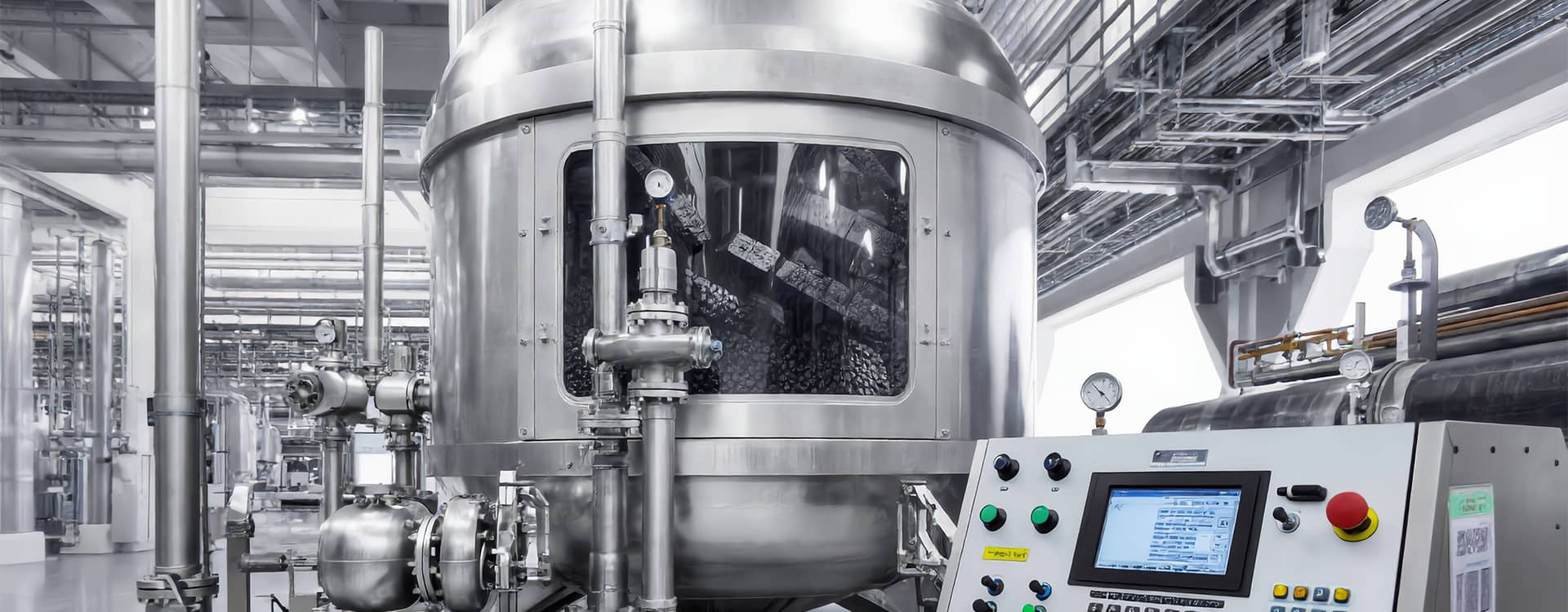
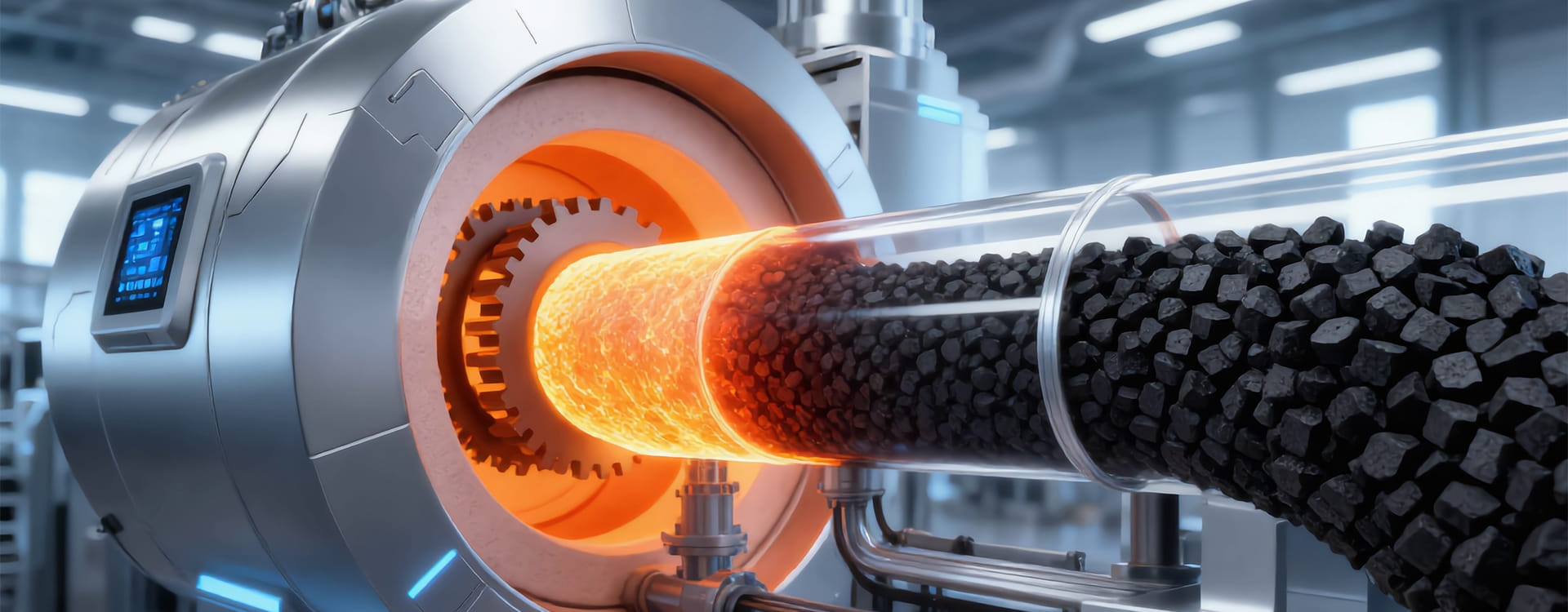
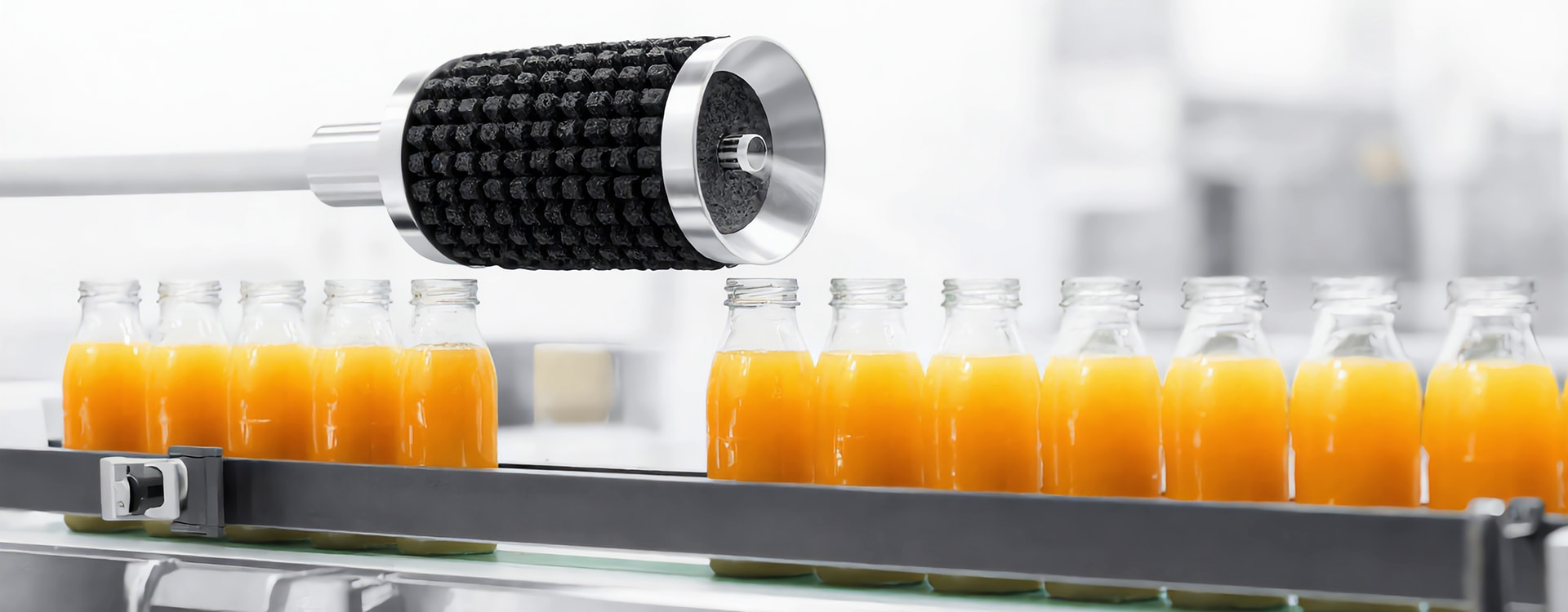
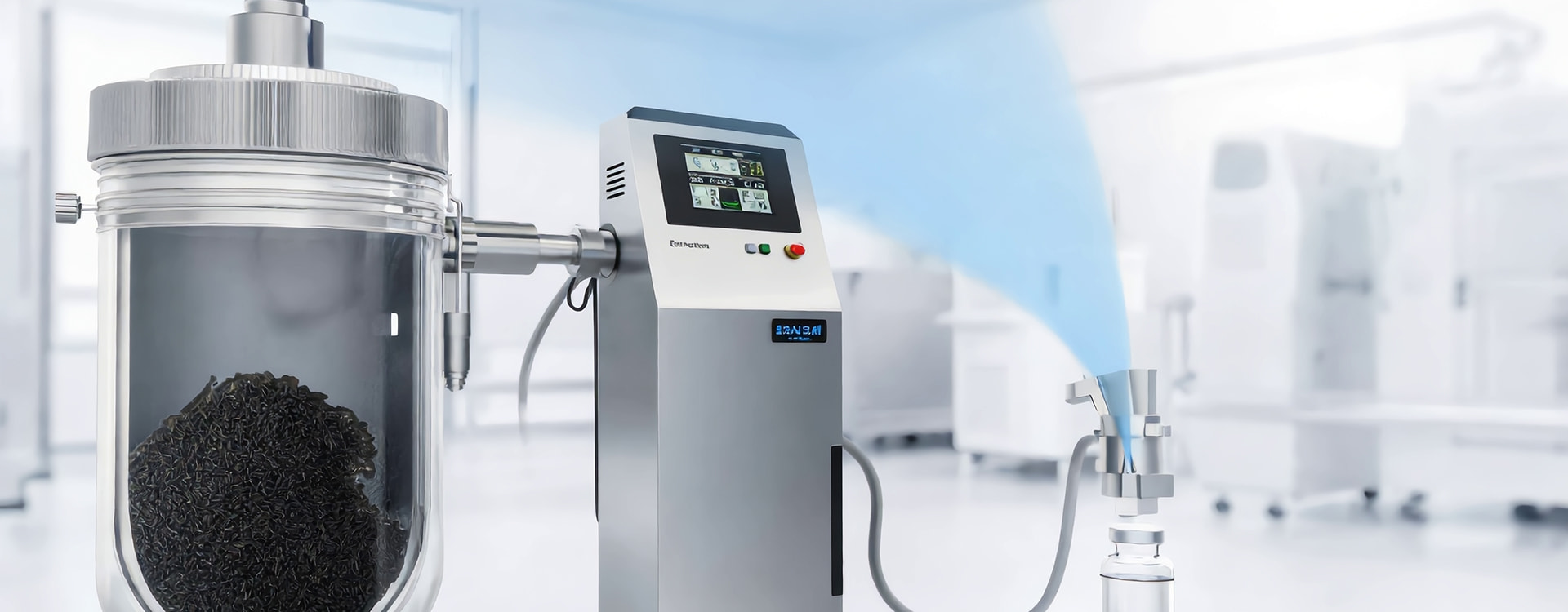
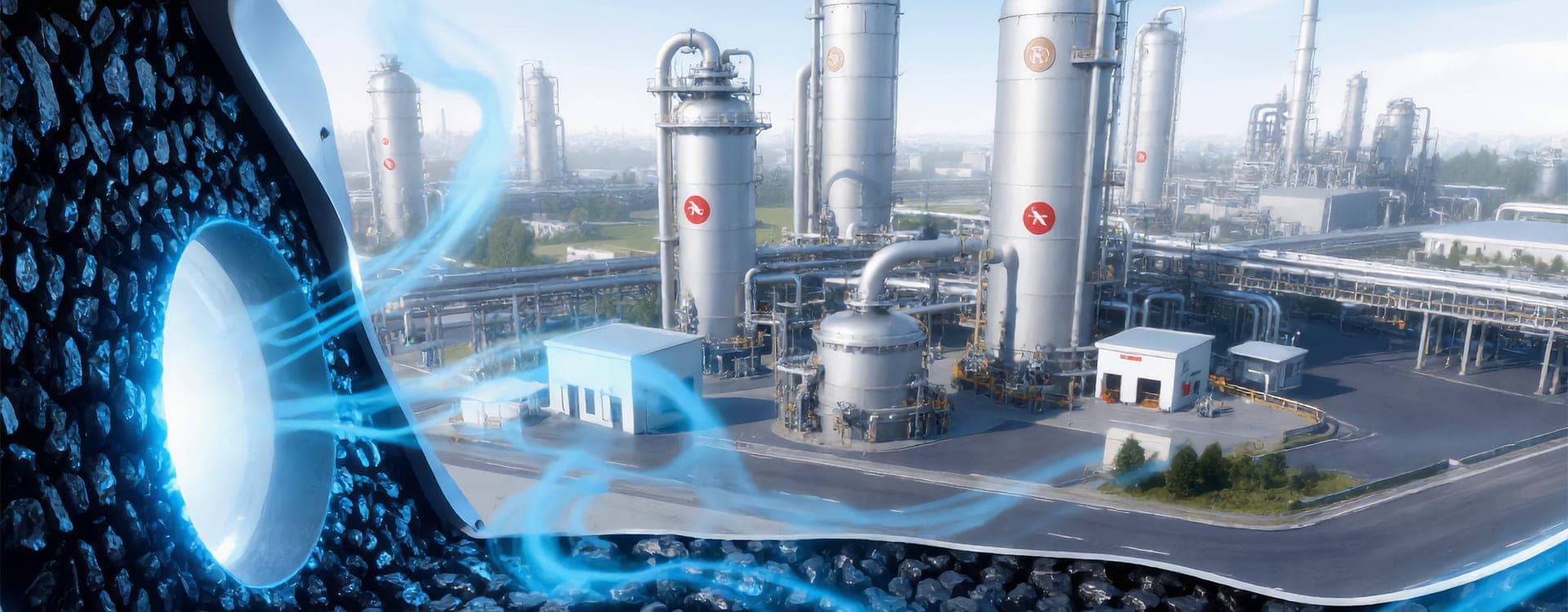
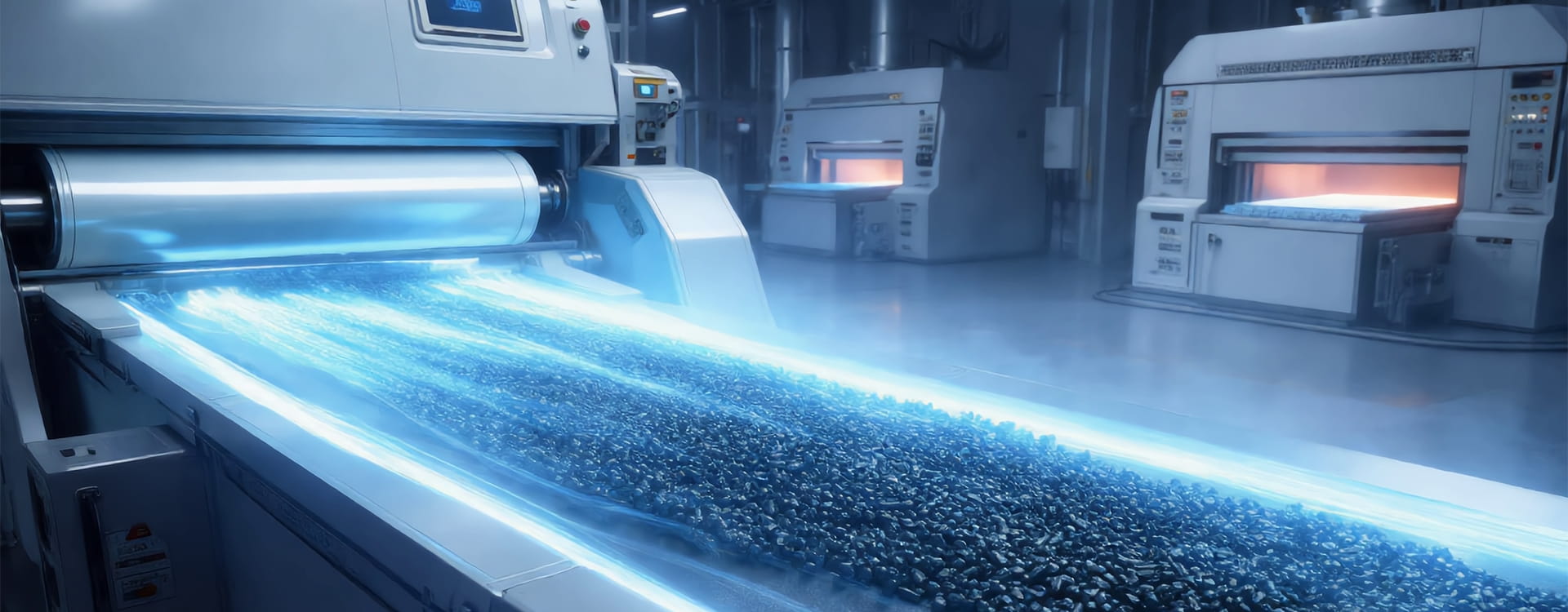
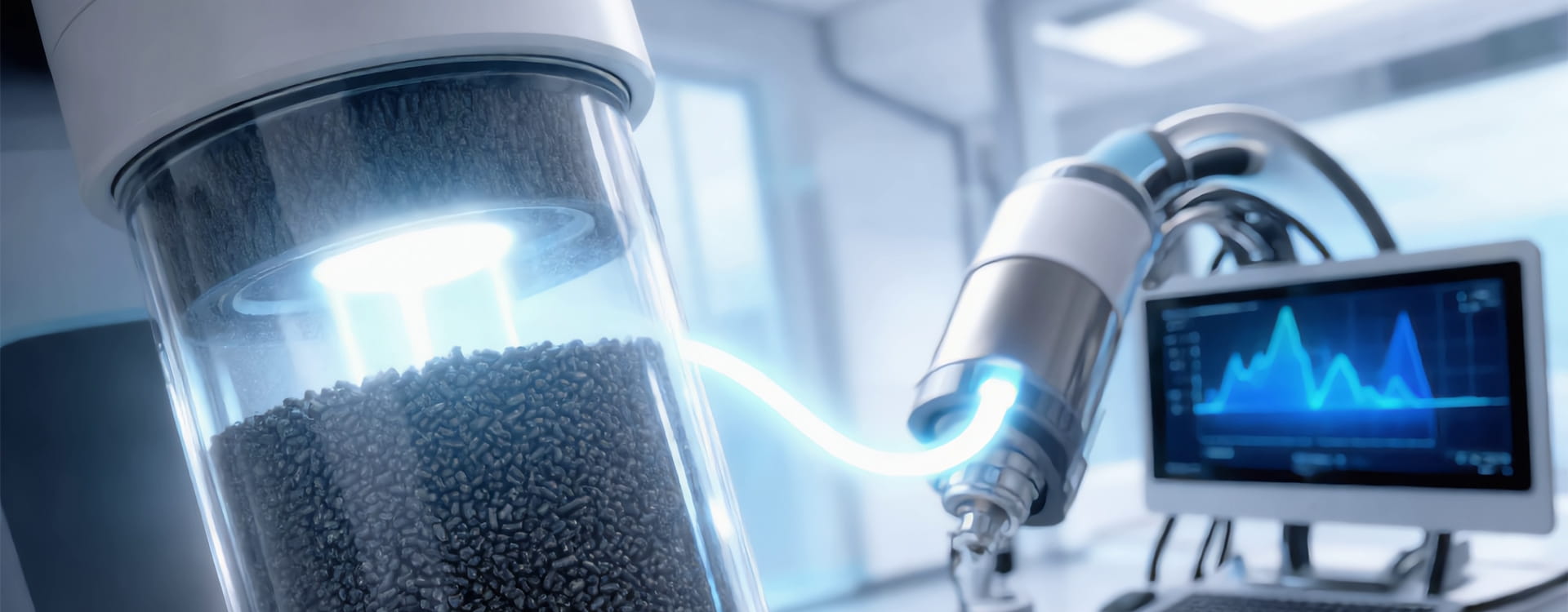
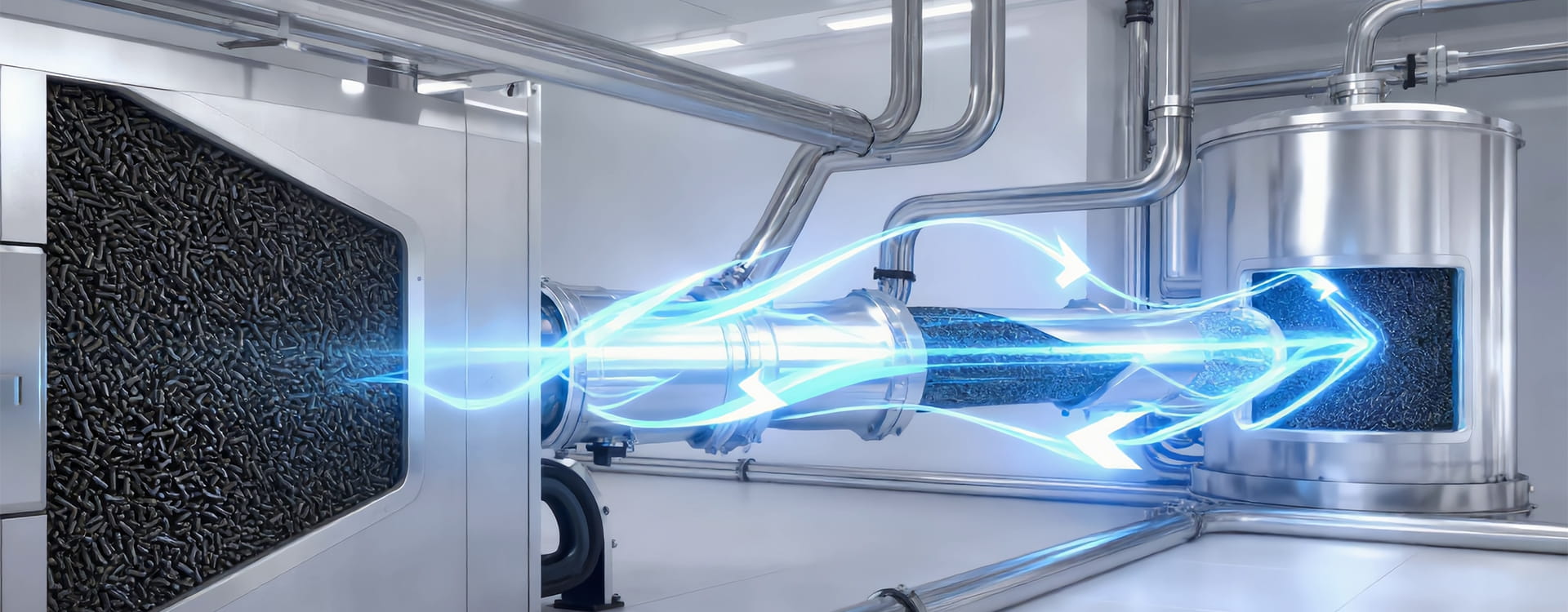
Anhui Zhuoxu New Material Technology Co., Ltd. a wholly-owned subsidiary of Huiya Group, is located in Xuancheng, Anhui Province. With a Phase I investment of 65.86 million yuan, it has built a production base with an annual output of 4,000 tons of porous carbon materials and 30,000 cubic meters of floral foam, serving the air separation and floral substrate industries.
The Phase II 3,000-ton porous carbon project, with an investment of 26.96 million yuan, is scheduled to be put into operation in 2026, focusing on breakthroughs in silicon-carbon anode materials for new energy batteries and PSA pressure swing adsorption applications. supply Carbon Molecular Sieve for Tire Nitrogen Curing
Tire Nitrogen Curing

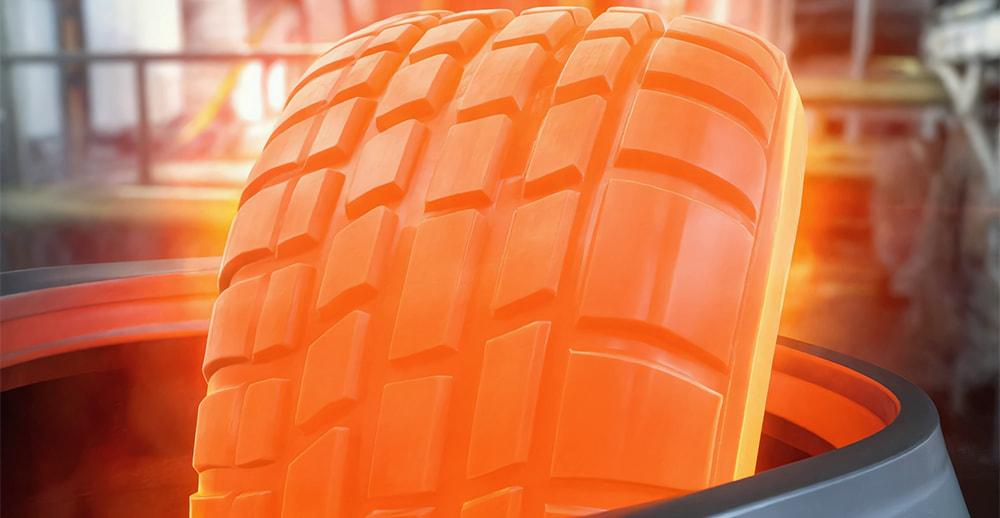
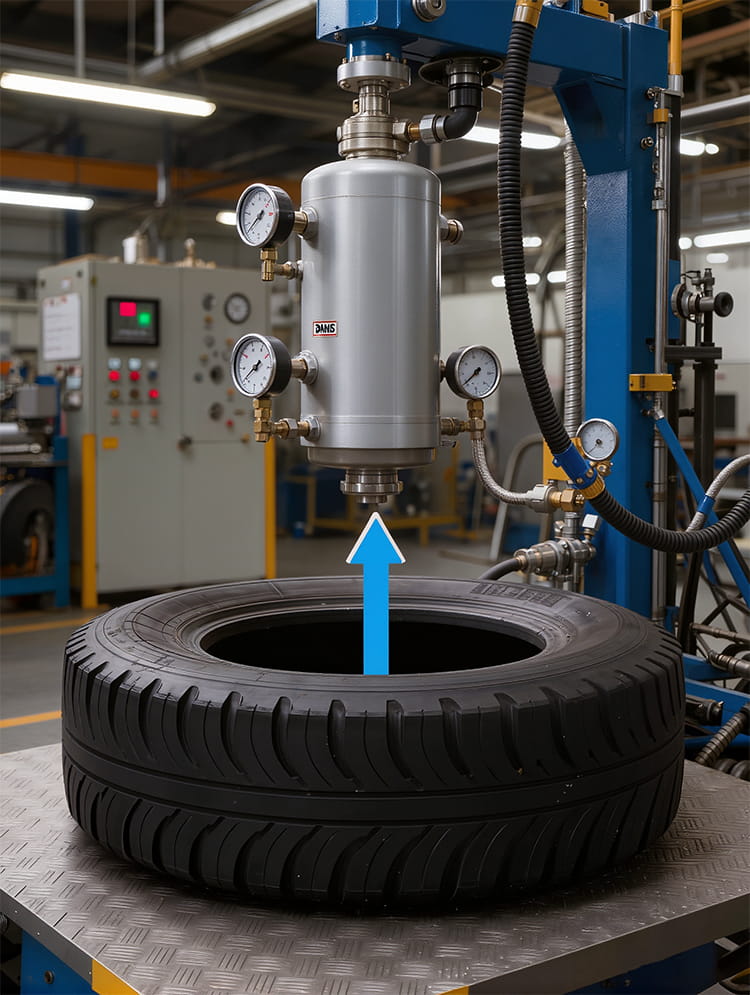
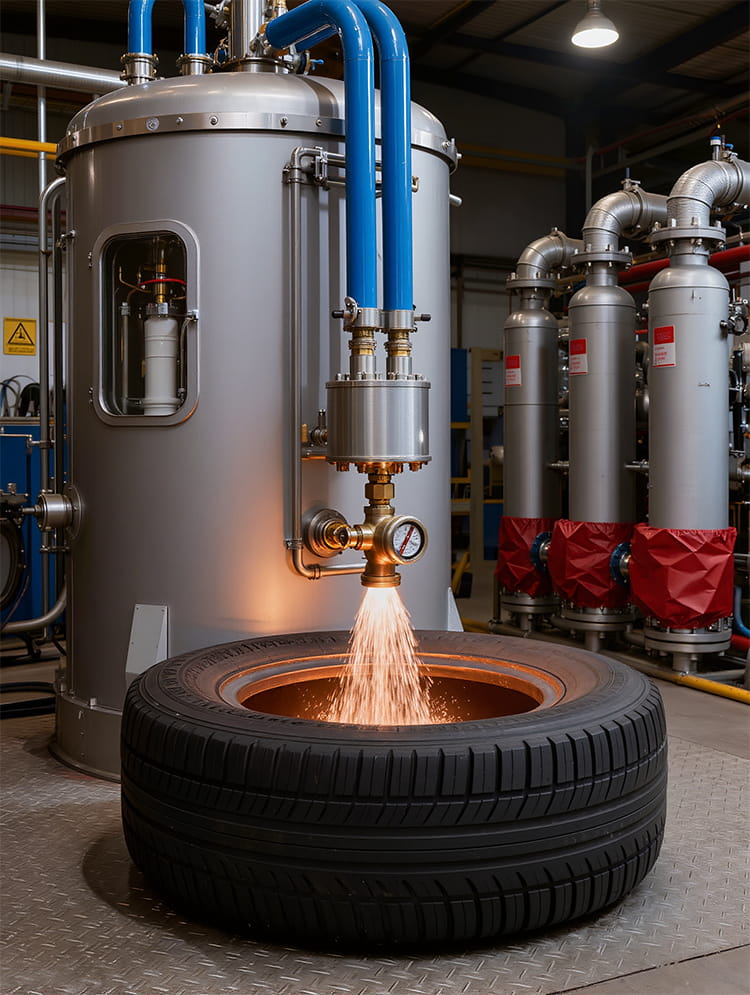
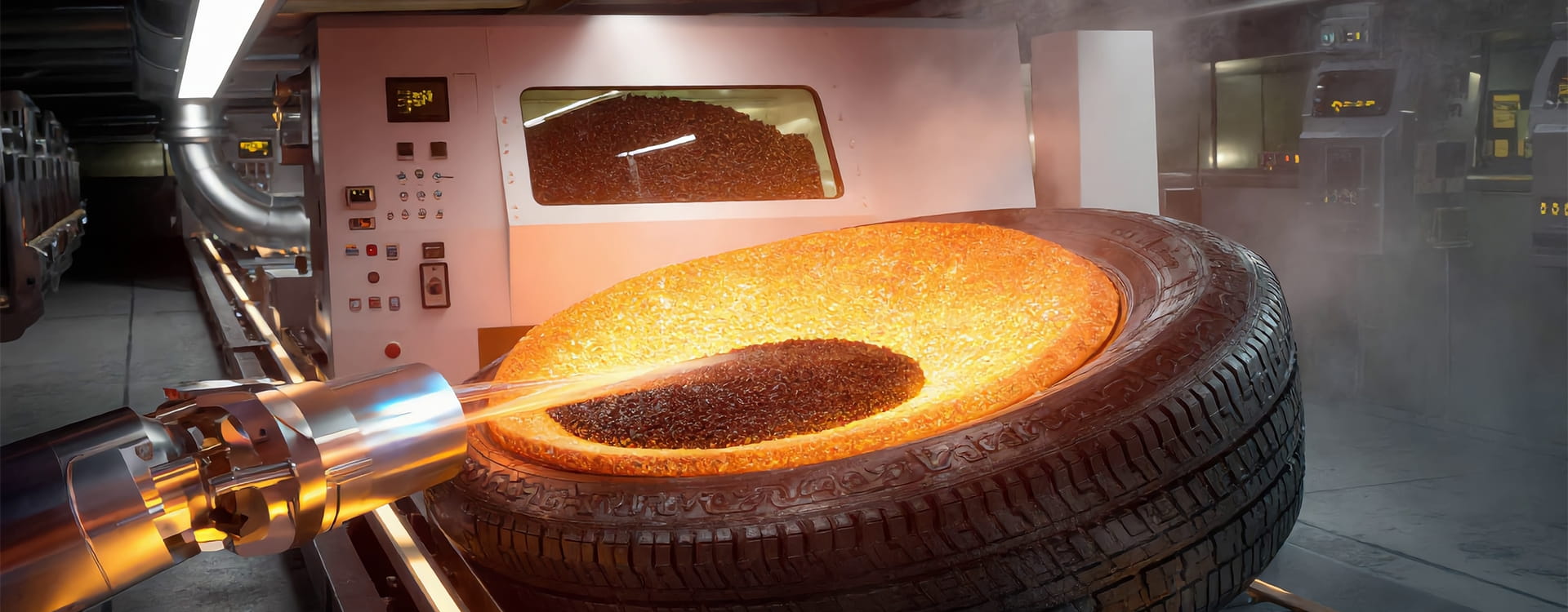
Circulating high-temperature, high-pressure nitrogen within tire curing molds is an essential process for the production of radial tires.
This technique centers on five key advantages
Uniform High-Temperature Heat Transfer for Thorough Curing: Nitrogen facilitates stable heat transfer and ensures uniform heating across the tire structure—including the tread, sidewalls, and bead areas—resulting in consistent vulcanization. This minimizes the formation of bubbles and under-cured spots, thereby enhancing the tire's wear resistance.
Elimination of High-Temperature Rubber Oxidation and Aging: Rubber is highly susceptible to thermo-oxidative aging, becoming tacky and prone to delamination when exposed to air at high temperatures. Nitrogen acts as an inert barrier, effectively isolating the rubber from oxygen; this results in a denser tire carcass that is far less likely to crack or develop bulges.
Internal Nitrogen Pressurization for Precise Shaping: By filling the curing bladder with high-pressure nitrogen, the tire carcass is uniformly expanded and held taut. This ensures that the tread patterns are fully formed and the edges are sharply defined, resulting in a tire with more precise dimensions that is less prone to deformation during high-speed driving.
Prevention of Internal Delamination, Sponginess, and Defects: The rubber vulcanization process can generate internal moisture and oil vapors. Nitrogen, being an inert and dry gas, effectively purges these moisture and gas residues. This leaves the tire's interior surface smooth and clean, significantly reducing the rate of defective tires.
Enhanced Safety and Extended Bladder Lifespan: Unlike steam—which contains moisture that can corrode the curing bladder—nitrogen is a dry and clean medium. This extends the service life of the curing bladder by more than double. Furthermore, as an inert and non-flammable gas at high temperatures, nitrogen contributes to a safer workshop environment.
Carbon Molecular Sieve for Tire Nitrogen Curing
Application
ABOUT ZHUOXU
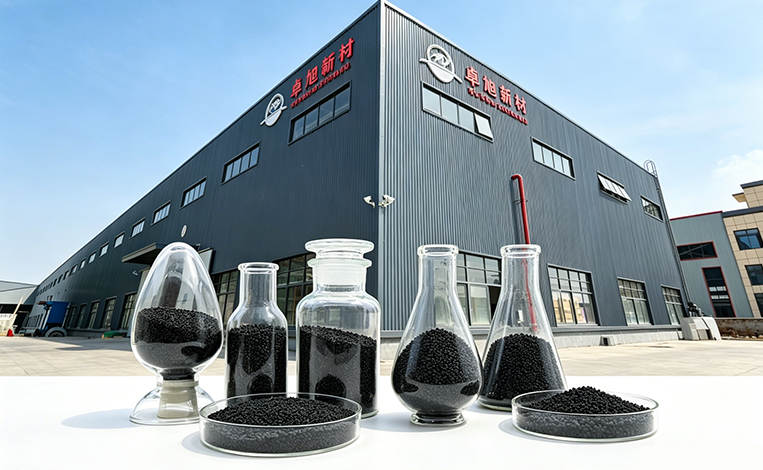
The company owns 21 core patents and ISO9001 certification, forming a closed-loop industrial chain covering porous carbon materials and nitrogen equipment services.
Our proprietary Resin-based Porous Carbon (RHC) technology takes polymer resin as the precursor and forms a highly stable hard carbon structure through high-temperature carbonization, enjoying irreplaceable advantages in sodium-ion batteries and supercapacitors. Tire Nitrogen Curing Carbon Molecular Sieve Manufacturers. Our products are sold nationwide and exported to Asia, South America, the Middle East and Southeast Asia. Through in-depth technical cooperation with universities and listed enterprises, we continuously promote the iterative upgrading of new energy materials and gas separation technologies.
NEWS & EVENTS
who we are

 E-mail
anhuilisa@126.com
E-mail
anhuilisa@126.com
 Phone
+86 18603224420
Phone
+86 18603224420
 Address
No. 26 Kunshan Road, Xuanzhou Economic Development Zone, Liqiao Town, Xuanzhou District, Xuancheng City, Anhui Province, P.R.China
Address
No. 26 Kunshan Road, Xuanzhou Economic Development Zone, Liqiao Town, Xuanzhou District, Xuancheng City, Anhui Province, P.R.China
Products
Application
About
Copyright Anhui Zhuoxu New Material Technology Co., Ltd. All rights reserved.
 Tire Nitrogen Curing Industry Carbon Molecular Sieve Manufacturers