
 English
 中文简体
中文简体 русский
 Français
 Español
 عربى
عربى CONTACT US


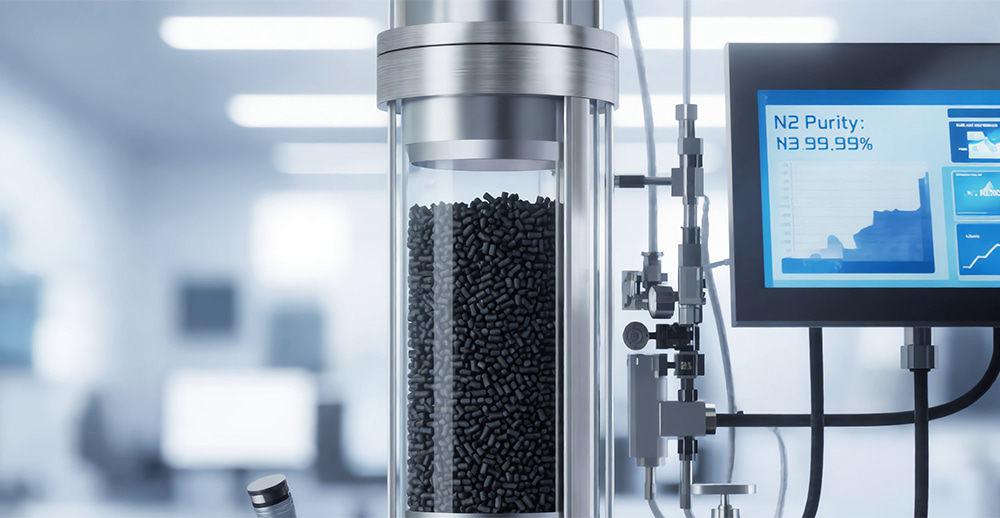
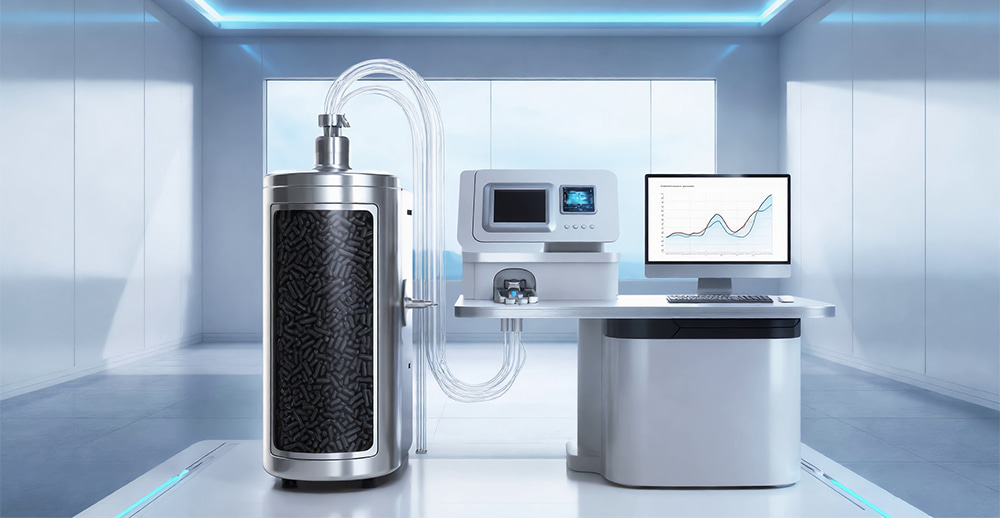
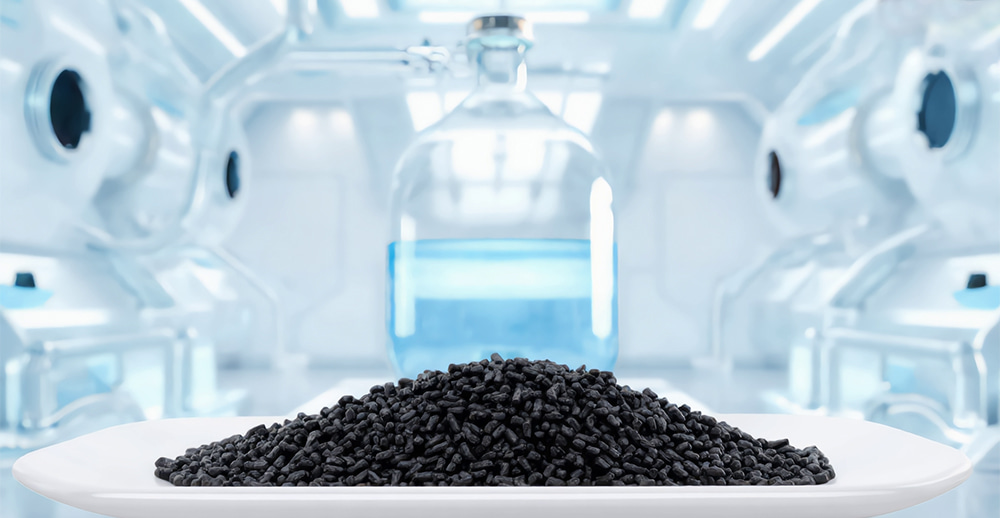
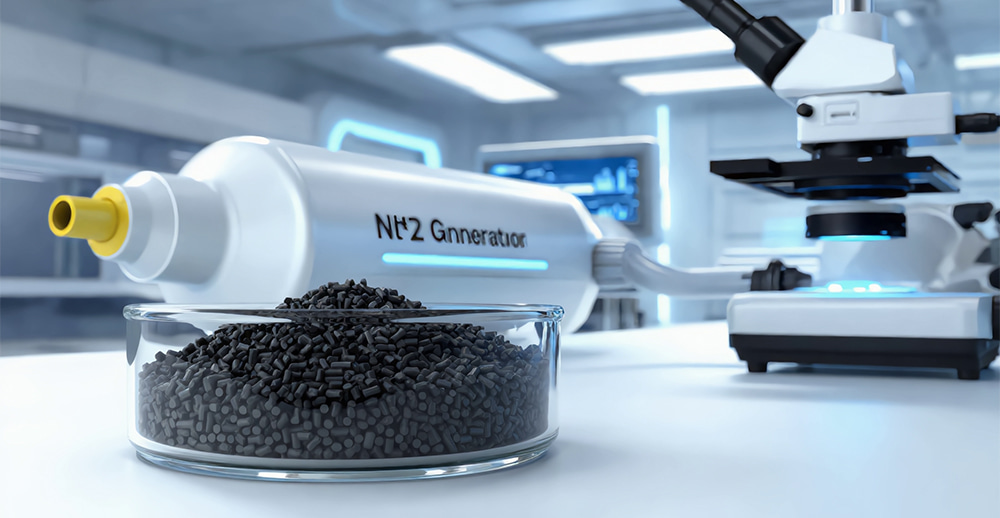
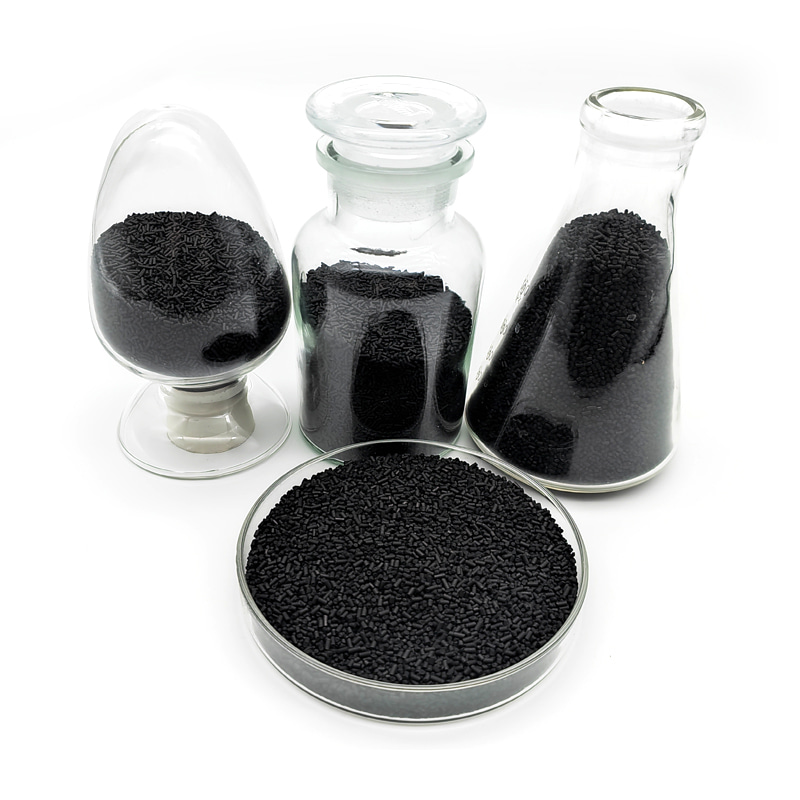
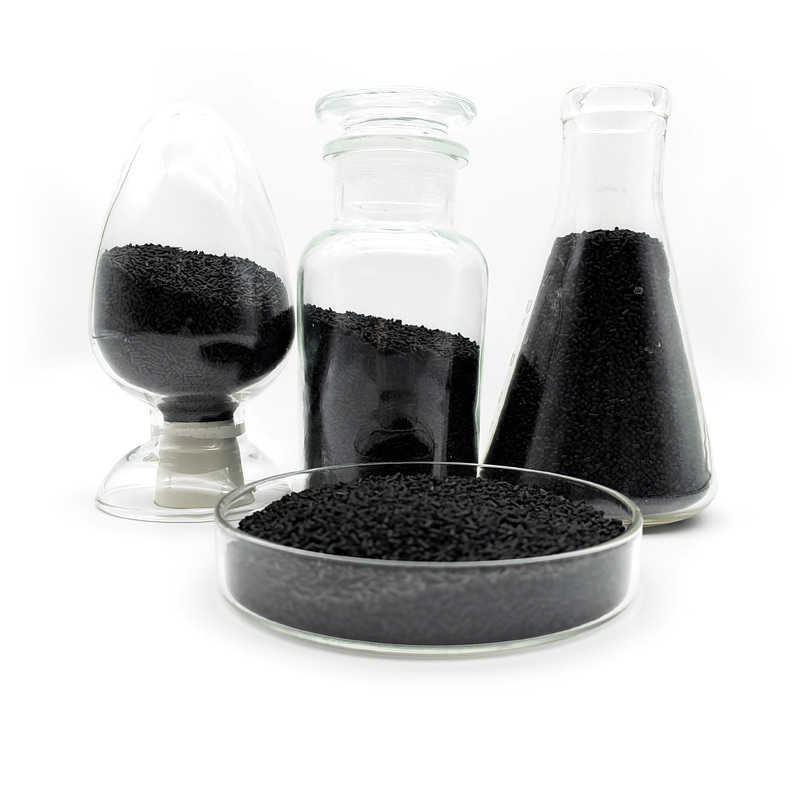
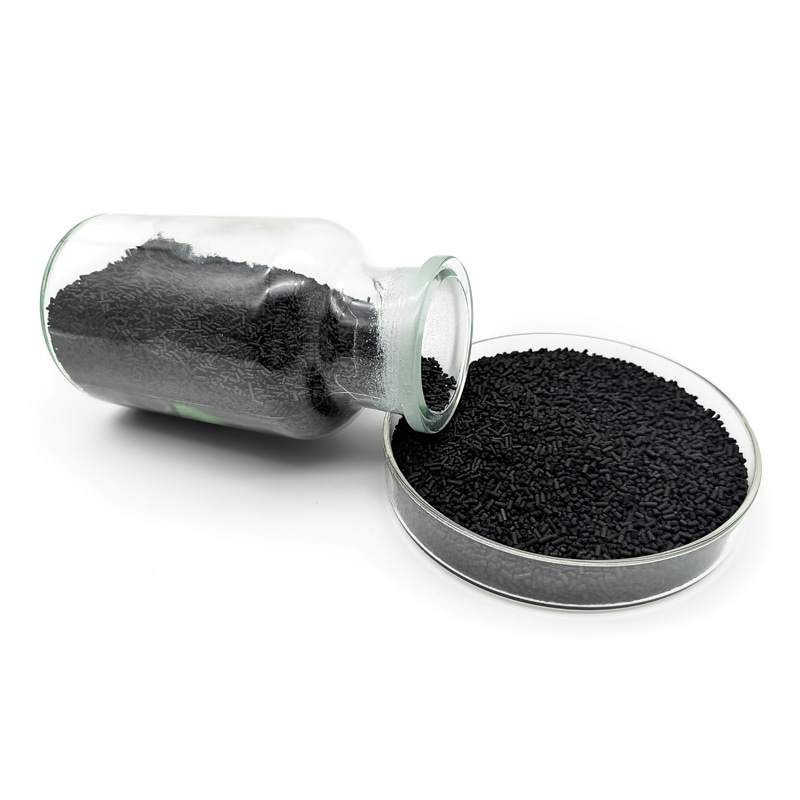
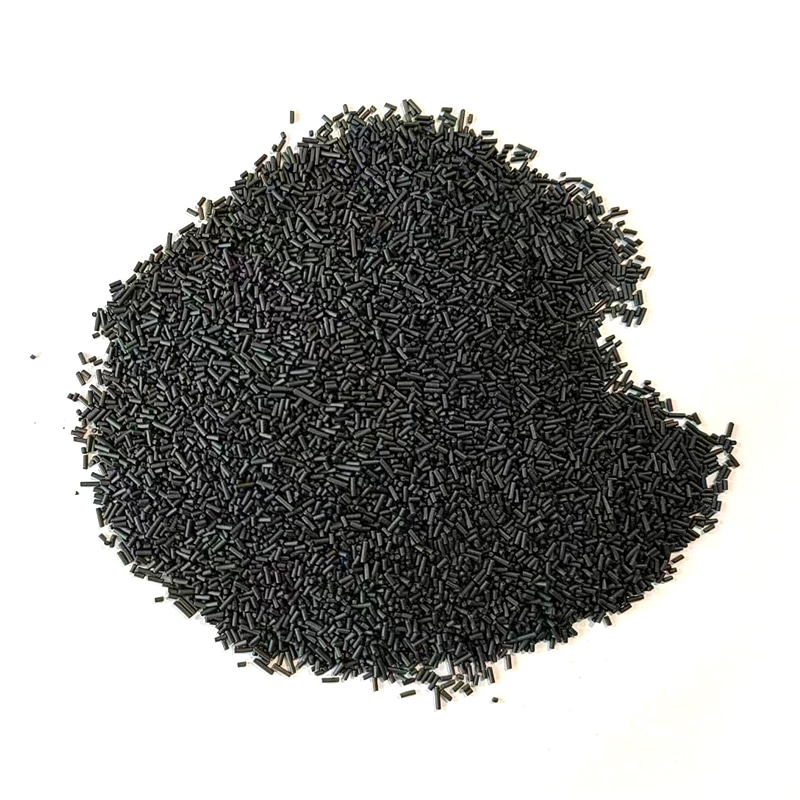

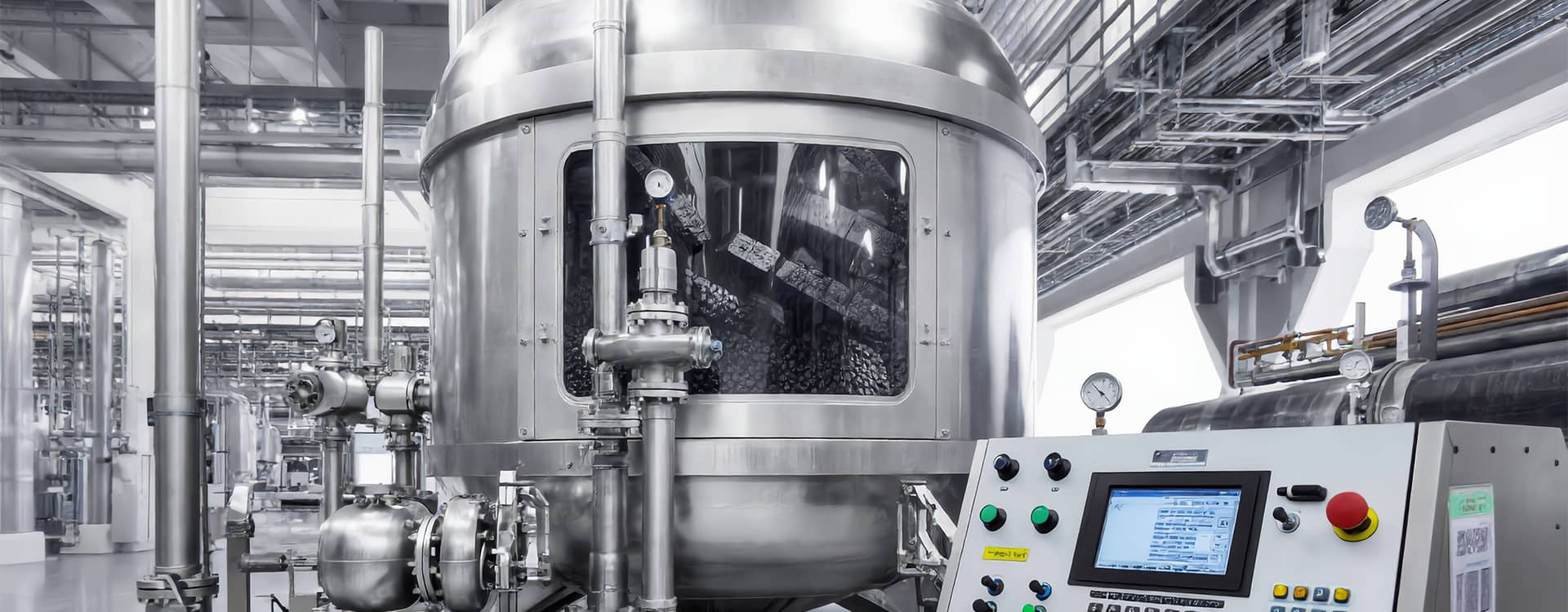
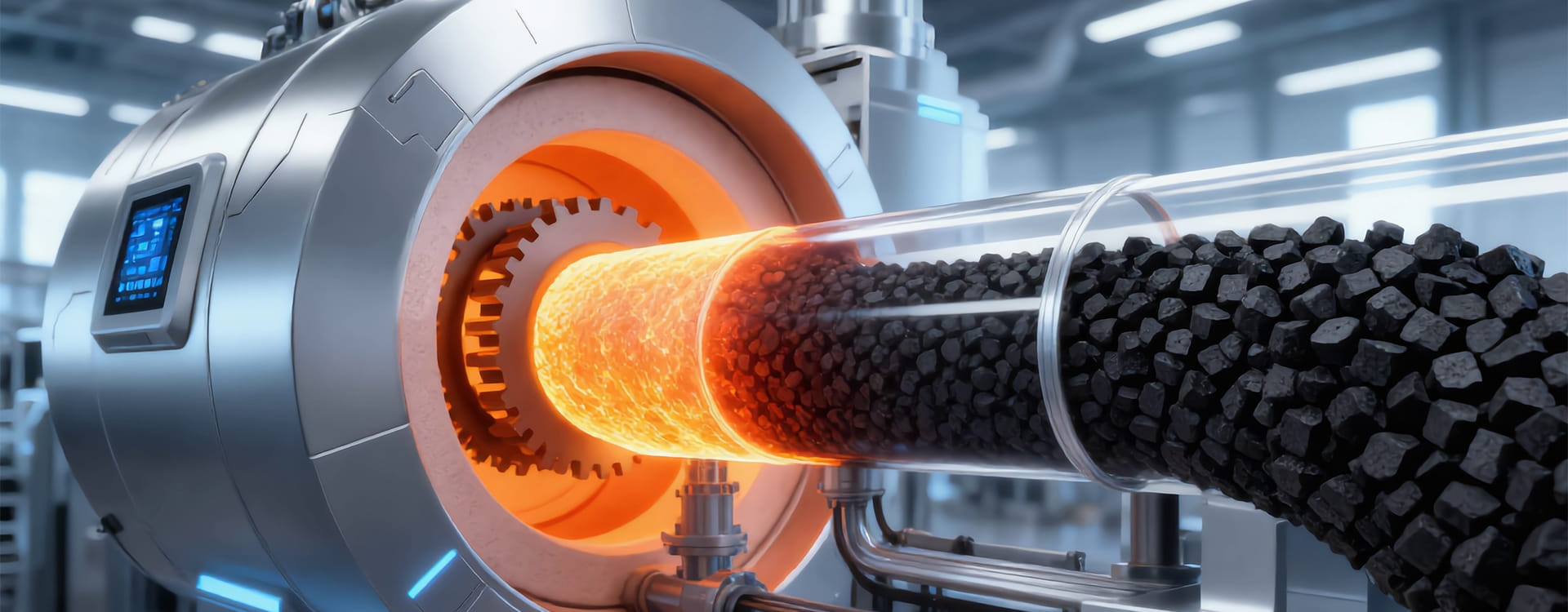
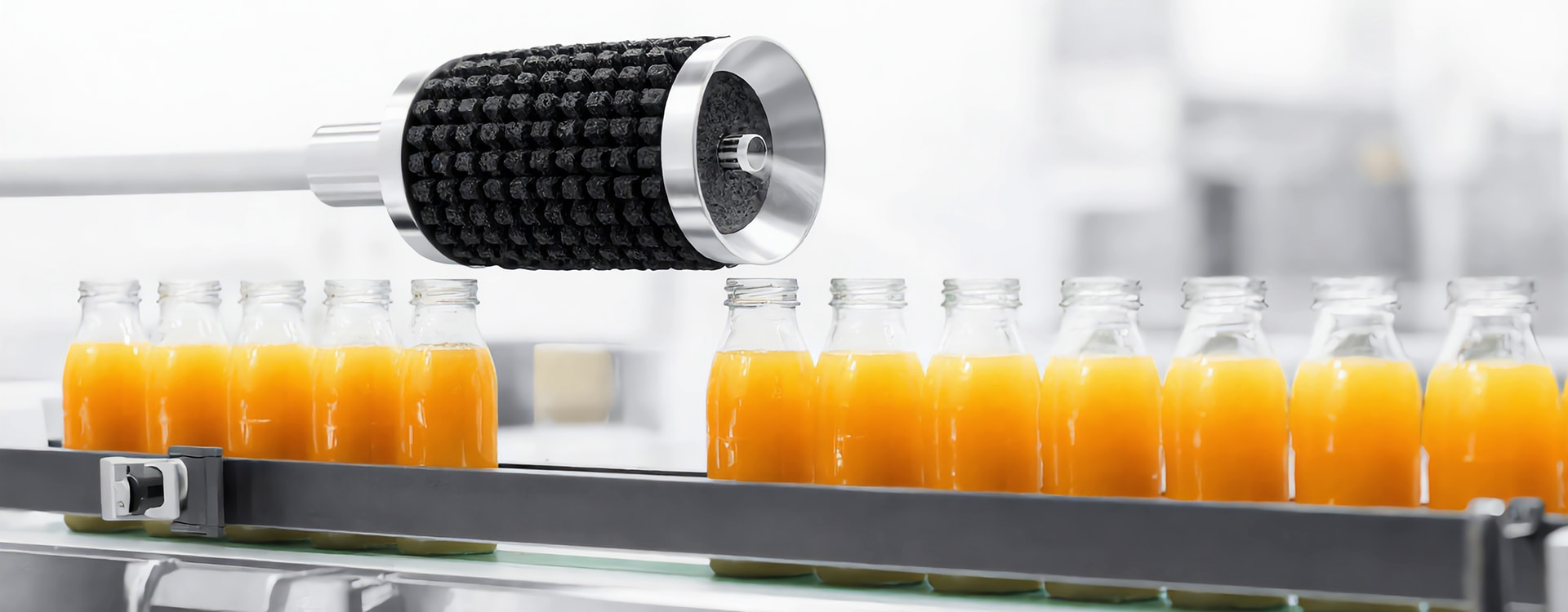
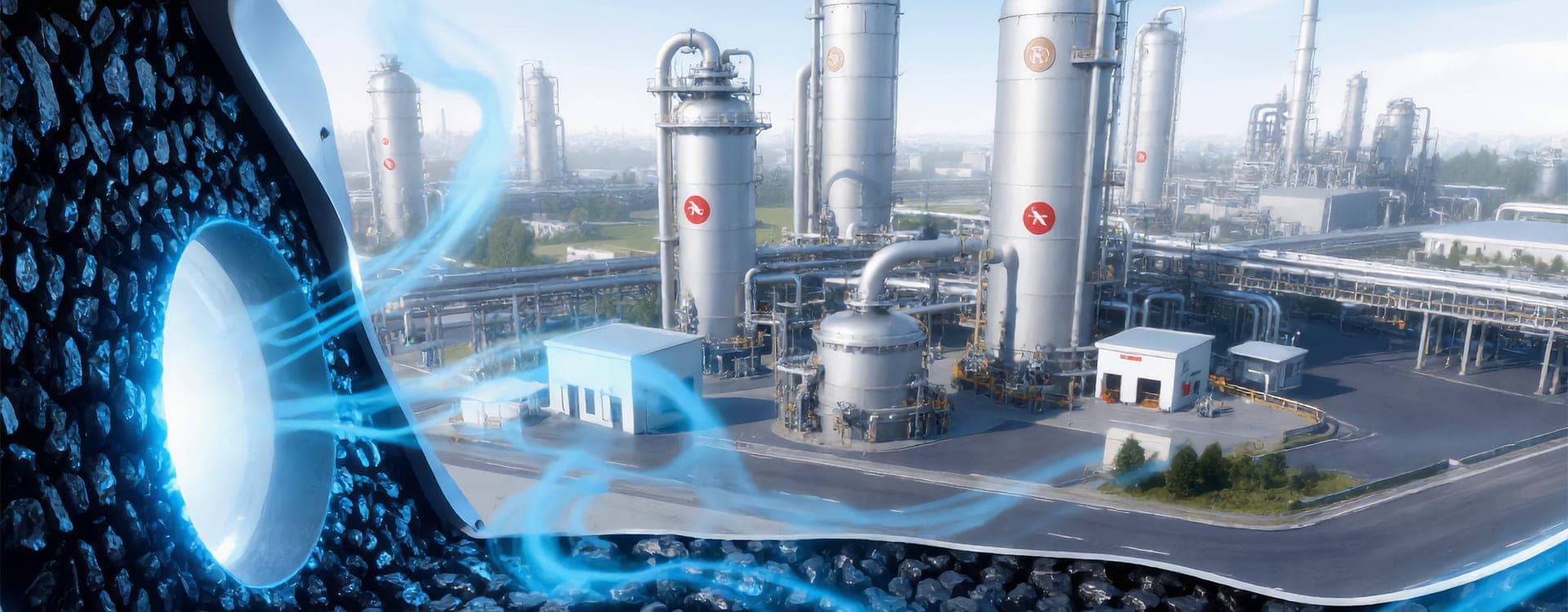
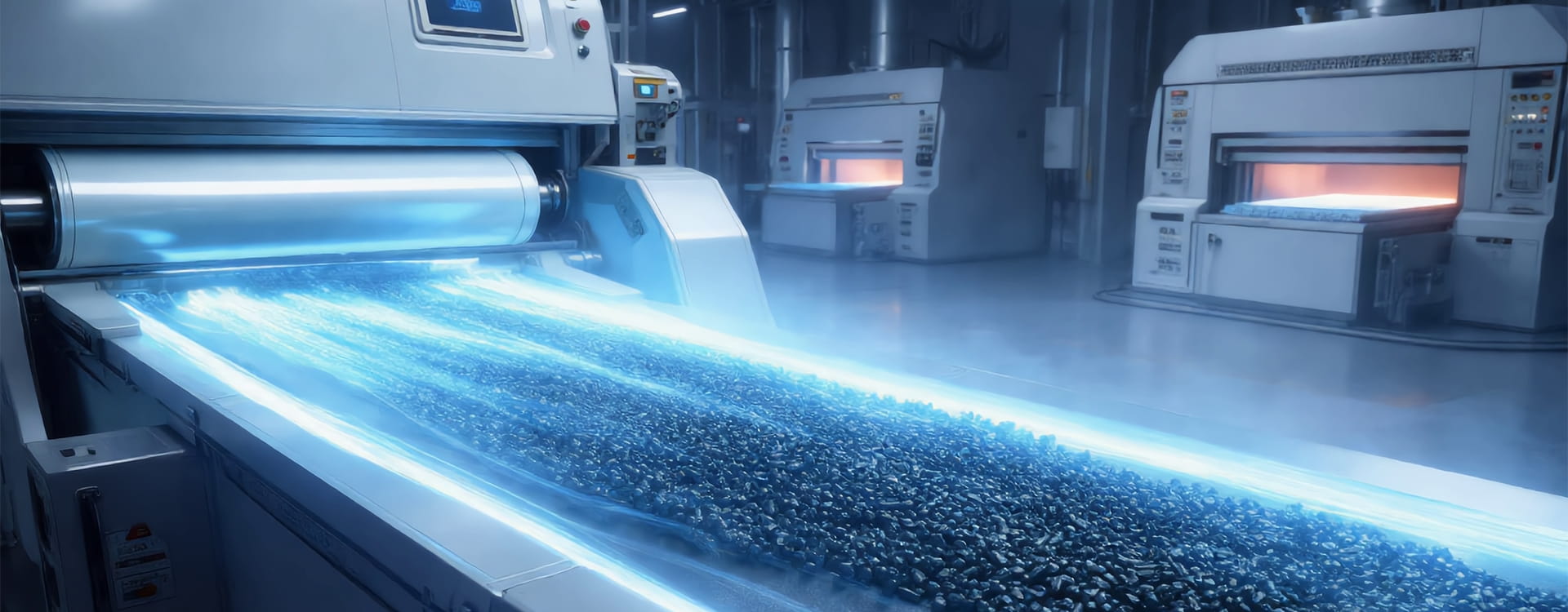
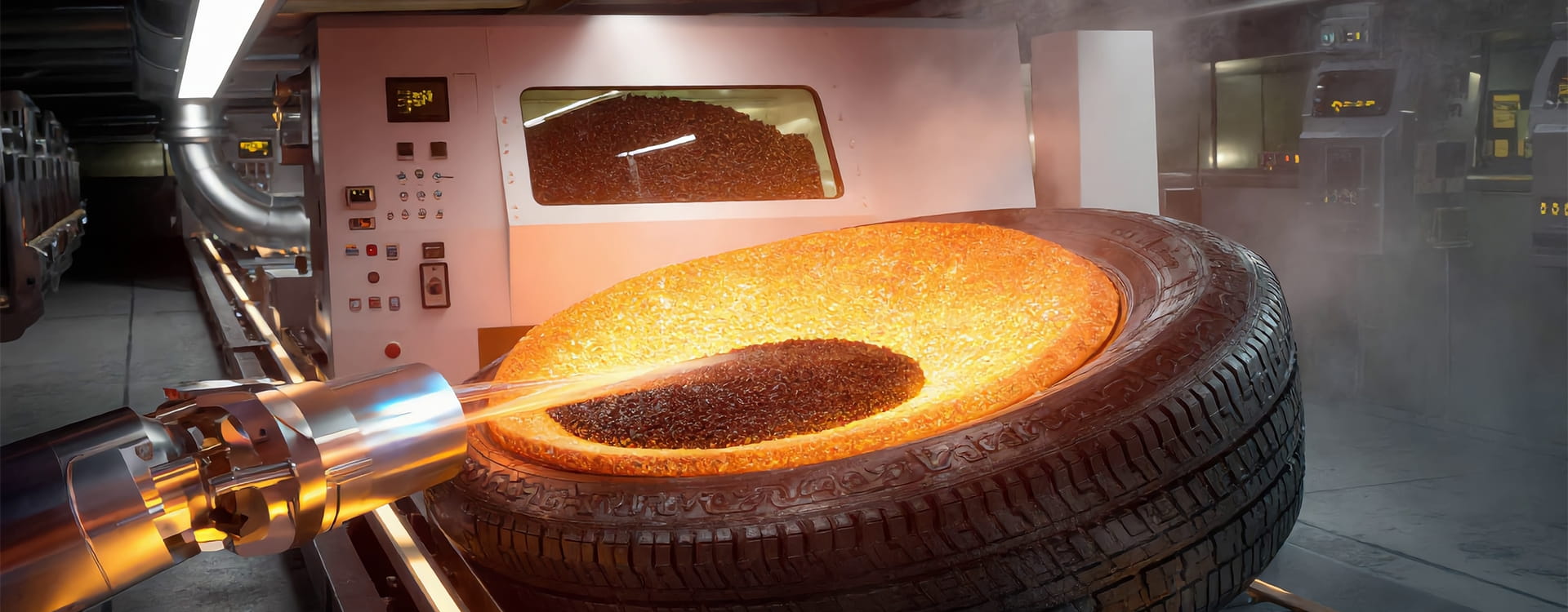
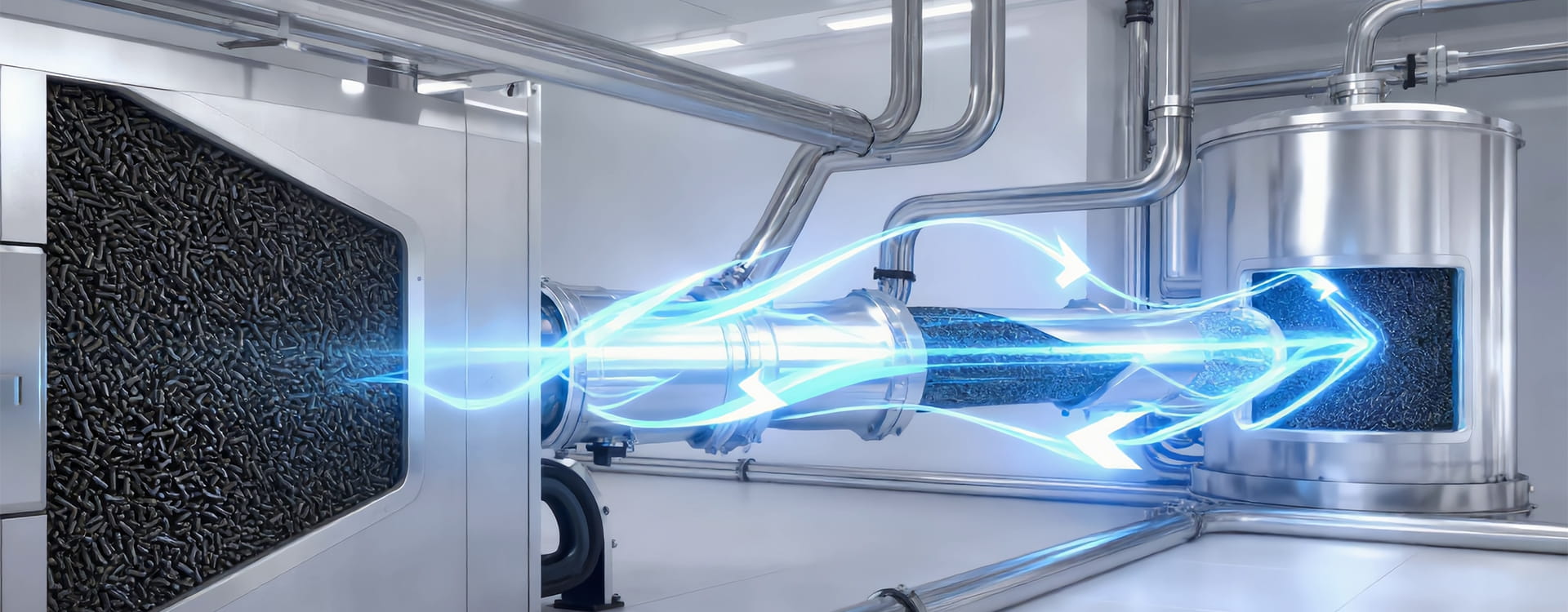
Anhui Zhuoxu New Material Technology Co., Ltd. a wholly-owned subsidiary of Huiya Group, is located in Xuancheng, Anhui Province. With a Phase I investment of 65.86 million yuan, it has built a production base with an annual output of 4,000 tons of porous carbon materials and 30,000 cubic meters of floral foam, serving the air separation and floral substrate industries.
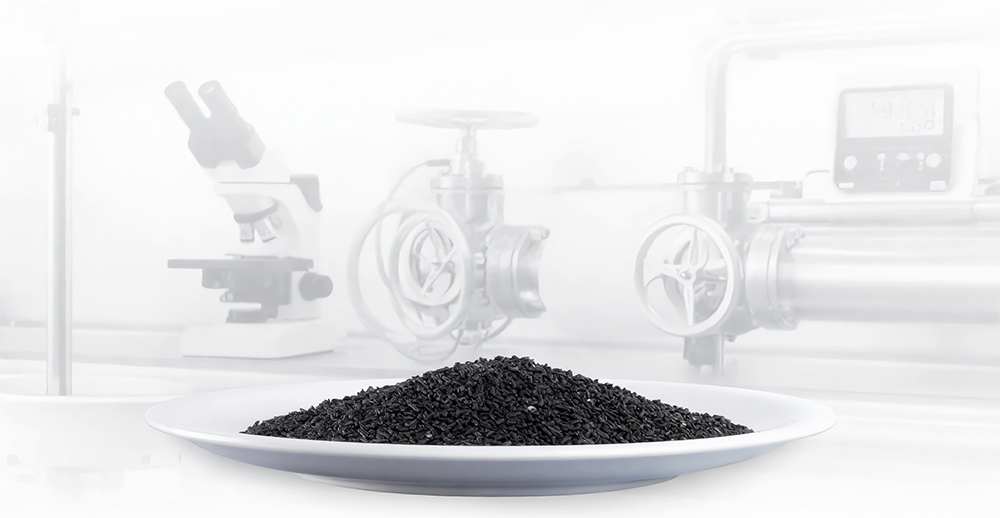
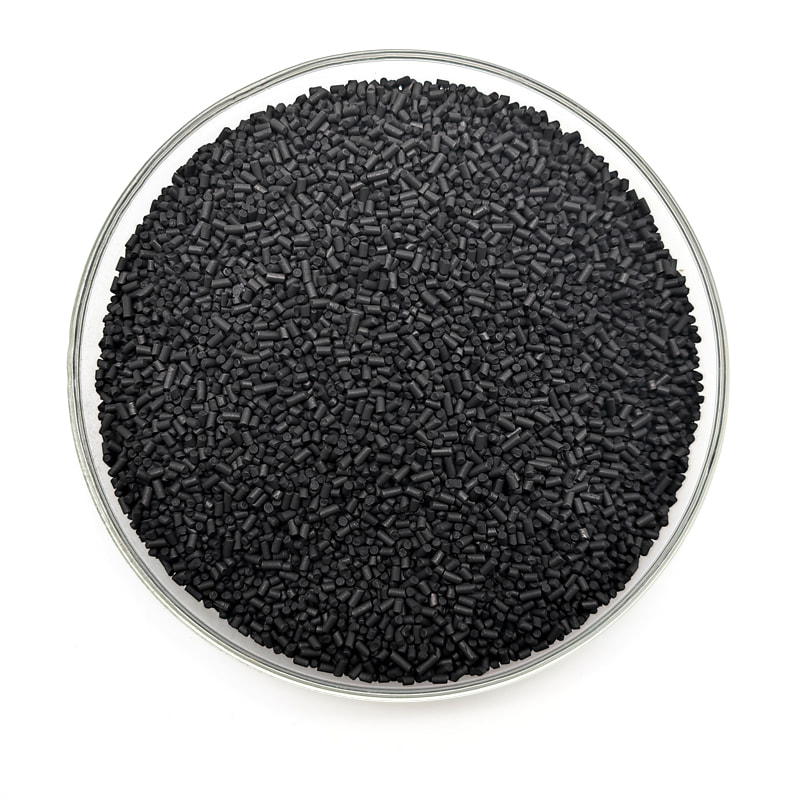
The Phase II 3,000-ton porous carbon project, with an investment of 26.96 million yuan, is scheduled to be put into operation in 2026, focusing on breakthroughs in silicon-carbon anode materials for new energy batteries and PSA pressure swing adsorption applications. supply Carbon Molecular Sieve for Laboratory Instrument Carrier Gas
Laboratory Instrument Carrier Gas

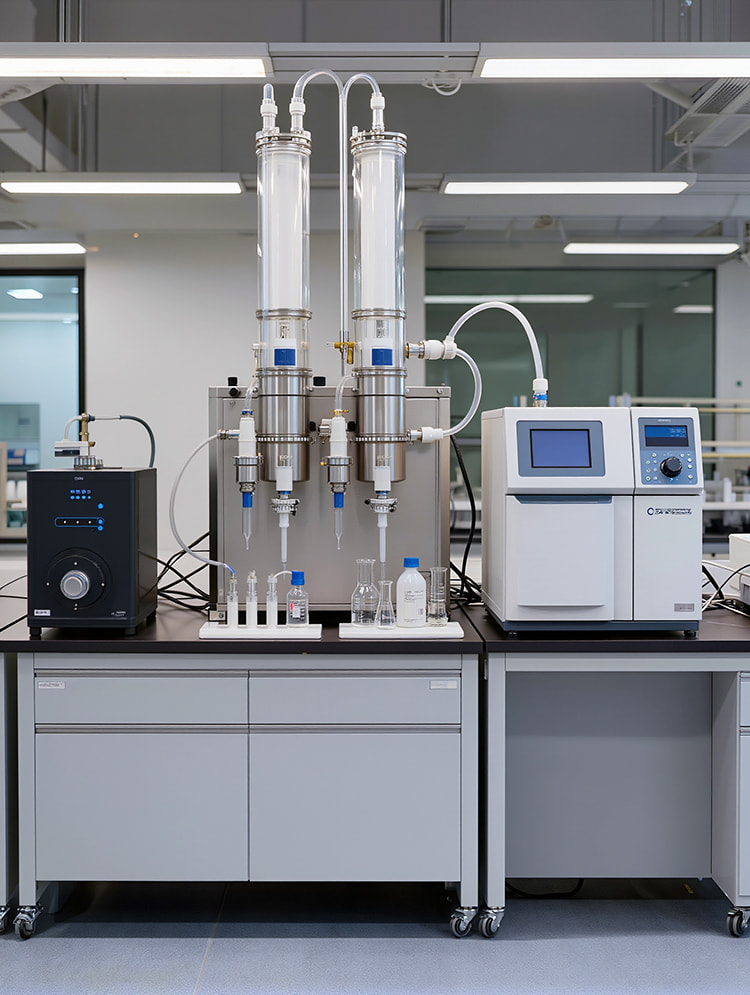
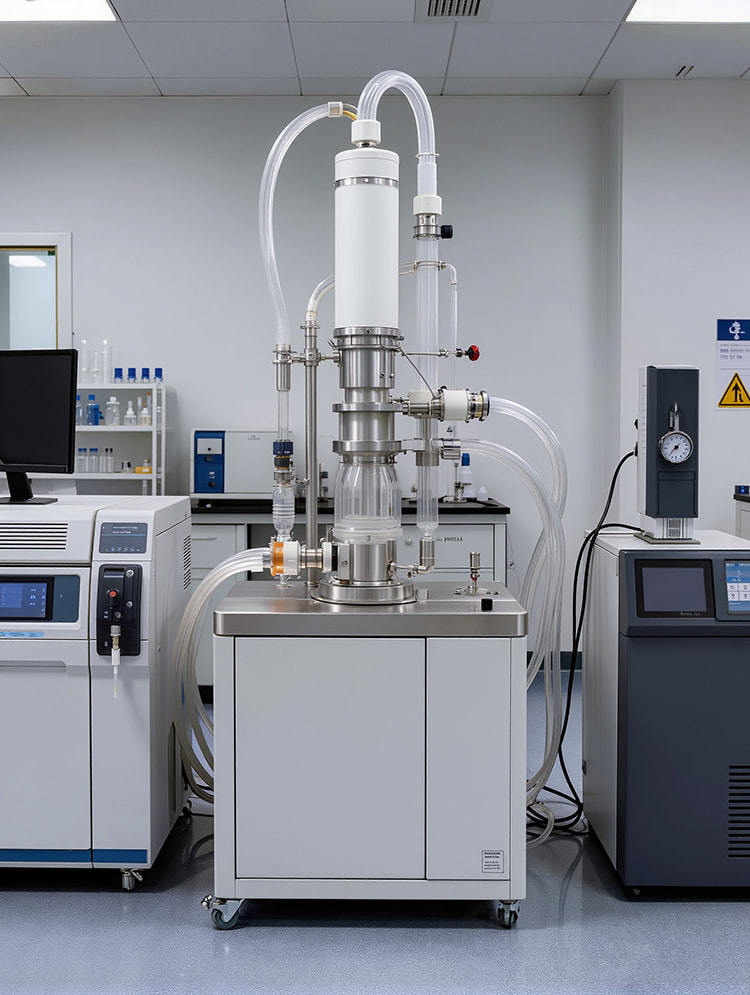
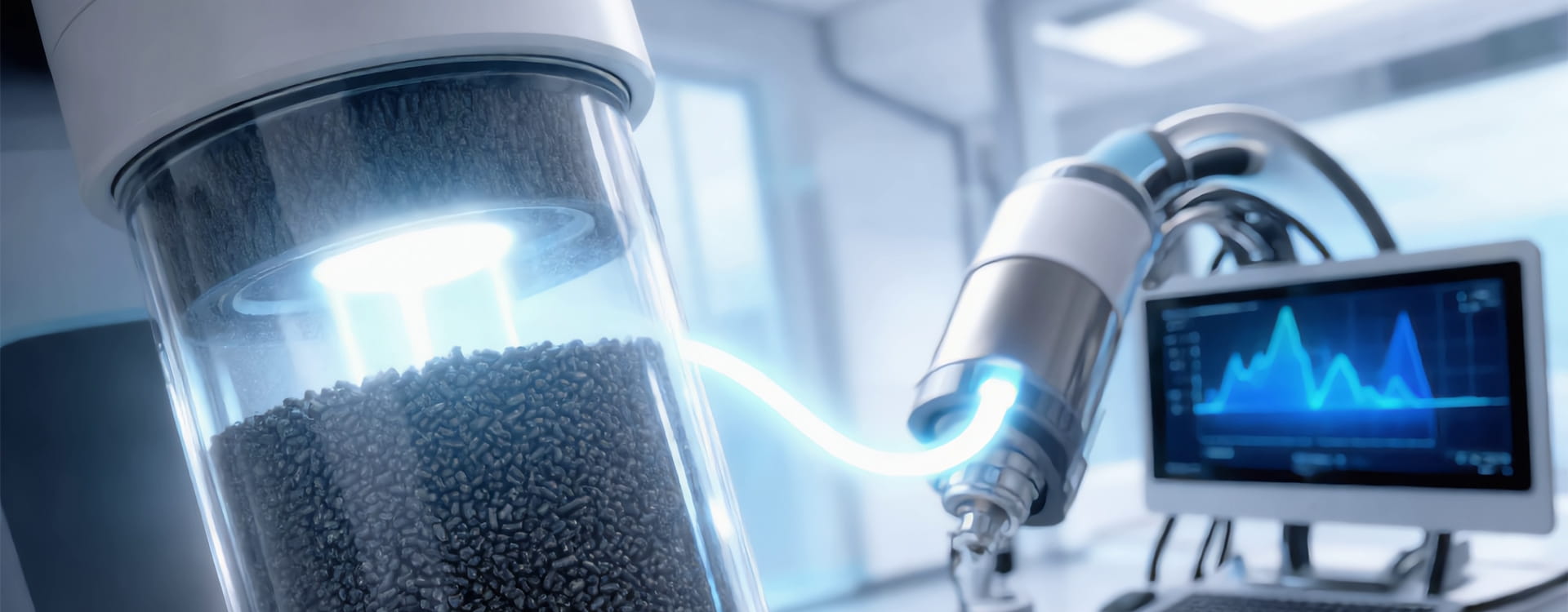
Laboratory High-Purity Nitrogen (Predominantly 99.999%) — Key Functions: Oxygen Removal, Drying, Carrier Gas, Purging, Protection, and Pressure Stabilization.
Carrier Gas for Chromatographic Instruments (Most commonly used in GC/Gas Chromatography): Supports Gas Chromatography, Mass Spectrometry, and LC-MS systems. It drives the flow of gaseous samples, facilitating their separation and detection. Being inert and non-reactive, it prevents contamination of chromatography columns and damage to ion sources, ensuring a stable baseline, excellent peak shape, and precise data.
Purging Gas for Atomic Absorption, ICP, and Spectrometers: Isolates the system from atmospheric oxygen to prevent flame flashback and plasma instability. It also protects optical path lenses from oxidation and carbon buildup, leading to more accurate detection results.
Sample Pre-treatment: Used in nitrogen evaporators for concentration (via water bath heating combined with nitrogen purging over the liquid surface) to rapidly dry organic solvents and water. It creates a low-temperature, oxygen-free environment, preventing thermal degradation and oxidative decomposition of heat-sensitive samples. An essential tool for analyzing pesticide residues, pharmaceutical residues, and for general environmental monitoring.
Inert Protection for Vacuum Drying Ovens and Incubators: Provides an inert atmosphere for storing and processing easily oxidizable chemicals, powders, and polymer materials. Nitrogen purging displaces oxygen, preventing sample oxidation, discoloration, and degradation.
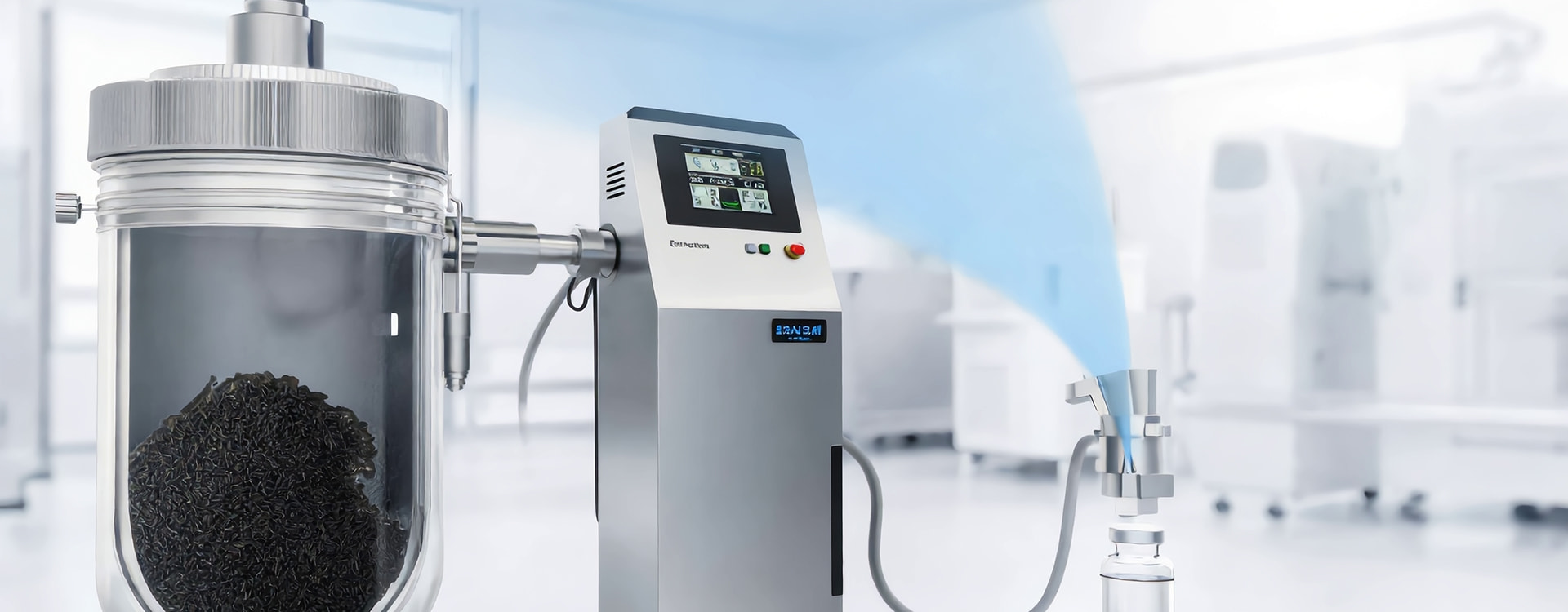
Protection for Laboratory Glass Reactors and Reaction Vessels: Used in organic synthesis and catalysis experiments. Nitrogen displaces air within the vessel to prevent explosions, protect raw materials from oxidation, and preserve the integrity of catalysts.
Atmospheric Protection for Microscopes, Electron Microscopes, and Precision Instruments: Provides an oxygen-free environment for high-temperature stages, sintering furnaces, and in-situ analysis equipment. This ensures that samples do not oxidize or undergo morphological changes when subjected to high temperatures.
Liquid-Surface Sealing and Reagent Preservation: Used to preserve standard reference materials, easily oxidizable reagents, oil samples, and water samples. By purging and sealing the container with nitrogen, it prevents oxidation and evaporation, thereby extending the shelf life of the contents.
Pressurized Gas Source for Pneumatic Systems: Serves as the driving force for pneumatic valves, precision laboratory valves, and automated equipment. The gas is dry, oil-free, and dust-free, ensuring stable instrument operation without blockages or interruptions.
Laboratory Instrument Carrier Gas Carbon Molecular Sieve Suppliers
Application
ABOUT ZHUOXU
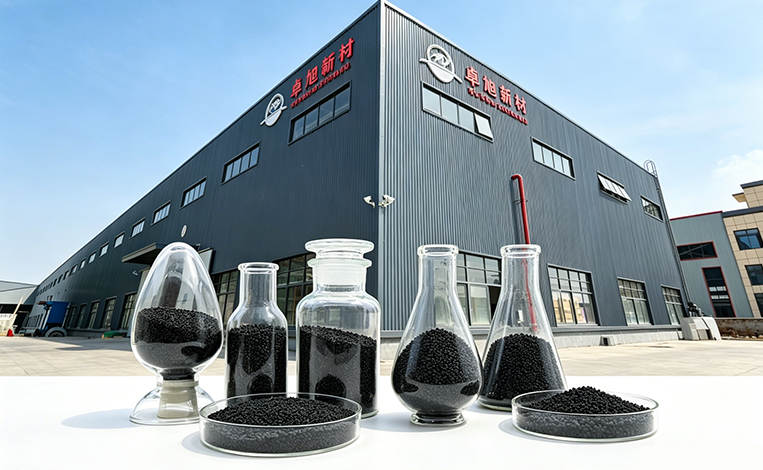
The company owns 21 core patents and ISO9001 certification, forming a closed-loop industrial chain covering porous carbon materials and nitrogen equipment services.
Our proprietary Resin-based Porous Carbon (RHC) technology takes polymer resin as the precursor and forms a highly stable hard carbon structure through high-temperature carbonization, enjoying irreplaceable advantages in sodium-ion batteries and supercapacitors. Carbon Molecular Sieve for Laboratory Instrument Carrier Gas. Our products are sold nationwide and exported to Asia, South America, the Middle East and Southeast Asia. Through in-depth technical cooperation with universities and listed enterprises, we continuously promote the iterative upgrading of new energy materials and gas separation technologies.
NEWS & EVENTS
who we are

 E-mail
anhuilisa@126.com
E-mail
anhuilisa@126.com
 Phone
+86 18603224420
Phone
+86 18603224420
 Address
No. 26 Kunshan Road, Xuanzhou Economic Development Zone, Liqiao Town, Xuanzhou District, Xuancheng City, Anhui Province, P.R.China
Address
No. 26 Kunshan Road, Xuanzhou Economic Development Zone, Liqiao Town, Xuanzhou District, Xuancheng City, Anhui Province, P.R.China
Products
Application
About
Copyright Anhui Zhuoxu New Material Technology Co., Ltd. All rights reserved.
 Laboratory Instrument Carrier Gas Industry Carbon Molecular Sieve Manufacturers