
 English
 中文简体
中文简体 русский
 Français
 Español
 عربى
عربى CONTACT US


What Is Carbon Molecular Sieve and Why Does It Matter for Nitrogen Generation?
2026-07-28
Content
- 1 What Exactly Is Carbon Molecular Sieve?
- 2 How Carbon Molecular Sieve Separates Nitrogen From Air
- 3 Where Carbon Molecular Sieve Is Used in Industry
- 4 Key Factors When Choosing a Carbon Molecular Sieve
- 5 Comparing Common Carbon Molecular Sieve Grades
- 6 Extending the Working Life of Your Carbon Molecular Sieve
- 7 Final Thoughts on Selecting Carbon Molecular Sieve for Your System
What Exactly Is Carbon Molecular Sieve?
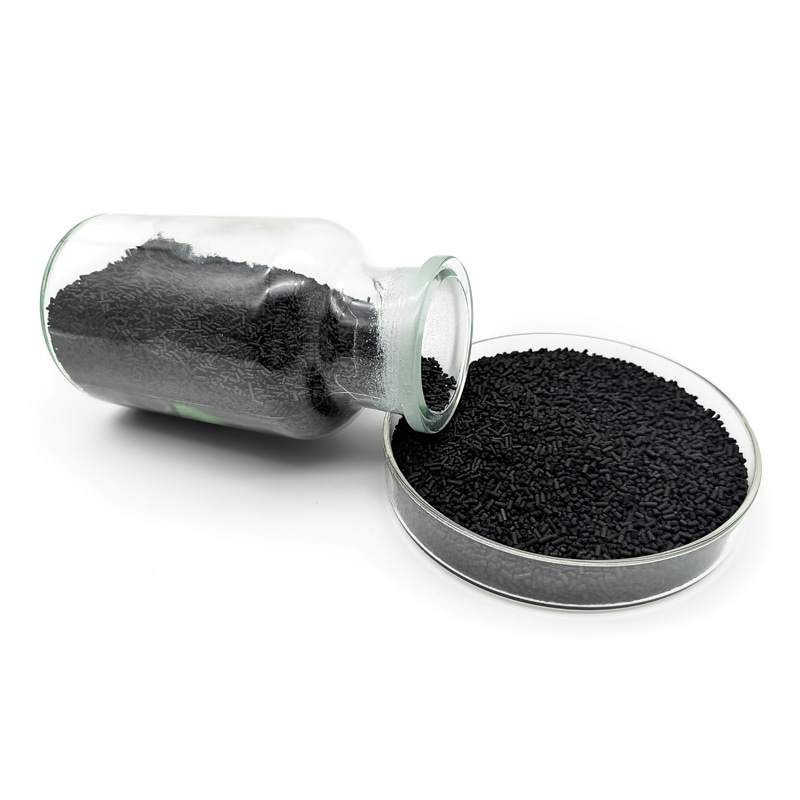
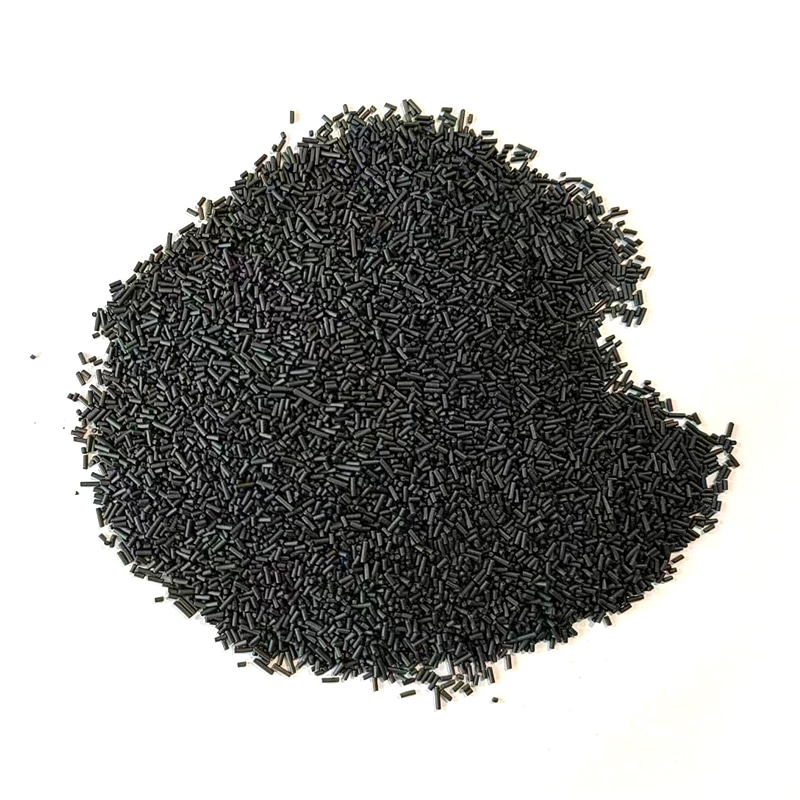
Carbon Molecular Sieve, often shortened to CMS, is a specially processed form of activated carbon engineered with an extremely uniform network of micropores. Unlike ordinary activated carbon, which is designed mainly to adsorb impurities based on surface area, carbon molecular sieve is built around pore size precision. The pores in a high-quality carbon molecular sieve are controlled down to fractions of an angstrom, which allows the material to separate gas molecules based on their size and how fast they diffuse into the carbon structure, rather than simply how much surface area is available for adsorption.
This kinetic separation principle is what makes carbon molecular sieve so valuable in industrial gas separation. Oxygen molecules are slightly smaller than nitrogen molecules, so they diffuse into the pores of the carbon molecular sieve much faster. Nitrogen molecules, being marginally larger, are left behind in the gas stream. Within seconds, a pressure swing adsorption (PSA) system can produce a stream of high-purity nitrogen simply by exploiting this small but consistent difference in diffusion speed.
How Carbon Molecular Sieve Separates Nitrogen From Air
The Adsorption and Desorption Cycle
A typical carbon molecular sieve nitrogen generator uses two carbon molecular sieve towers working in alternating cycles. While one tower is under pressure, compressed air flows through the CMS bed, and oxygen, along with trace carbon dioxide and moisture, is selectively adsorbed into the micropores. The nitrogen-enriched gas that passes through is collected as product gas. Once the carbon molecular sieve bed approaches saturation, the system switches to the second tower, while the first tower is depressurized to release the adsorbed oxygen back into the atmosphere, regenerating the sieve for the next cycle.
Why Pore Size Consistency Matters
If the pore structure of a carbon molecular sieve is inconsistent, the separation efficiency drops sharply. Pores that are too large will let both oxygen and nitrogen diffuse in at similar rates, reducing purity. Pores that are too small will slow down the entire adsorption process, reducing the overall gas output. This is why manufacturing quality is such a critical factor when evaluating carbon molecular sieve products, and why reputable suppliers publish detailed pore distribution data alongside their product specifications.
Where Carbon Molecular Sieve Is Used in Industry
Carbon molecular sieve is not limited to a single industry. Its ability to generate on-site nitrogen at a lower cost than delivered liquid nitrogen has made it a staple across many sectors that rely on inert atmospheres or oxygen displacement.
- Electronics manufacturing, where nitrogen prevents oxidation during soldering and wave soldering processes
- Food packaging, where nitrogen displaces oxygen to extend shelf life and preserve freshness
- Chemical and pharmaceutical plants, where inert blanketing reduces fire and explosion risk
- Metal processing and heat treatment, where nitrogen atmospheres prevent surface oxidation
- Oil and gas facilities, where nitrogen is used for tank blanketing and pipeline purging
- Laser cutting operations, where nitrogen assist gas improves cut quality on metal sheets
Key Factors When Choosing a Carbon Molecular Sieve
Not all carbon molecular sieve products perform the same way, even if they look identical. Buyers should evaluate several performance indicators before committing to a supplier, since these factors directly affect nitrogen purity, gas output, and how long the sieve will last in continuous operation.
Particle Size and Crush Strength
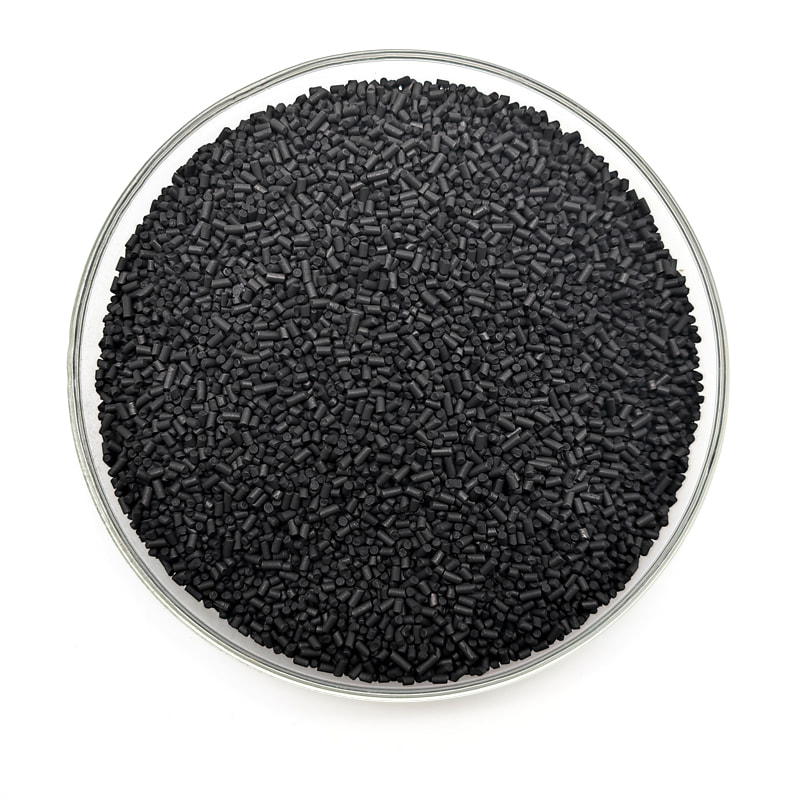
Carbon molecular sieve is typically supplied in small cylindrical or spherical particles. Uniform particle size reduces pressure drop across the bed and prevents channeling, where gas finds a path of least resistance instead of flowing evenly through the sieve. Crush strength is equally important, since particles that break down over time create dust, which increases pressure drop and shortens the working life of the entire system.
Nitrogen Purity Requirements
Different applications call for different purity levels. Food packaging might only require 95 to 98 percent nitrogen purity, while electronics soldering or certain chemical processes may demand 99.9 percent or higher. Higher purity requirements generally mean slower cycle times and a need for a higher grade of carbon molecular sieve, so matching the sieve grade to the actual application is essential for cost efficiency.
Comparing Common Carbon Molecular Sieve Grades
The table below outlines how different carbon molecular sieve grades typically compare in terms of performance, helping buyers match a product to their specific nitrogen purity and flow requirements.
| Grade | Typical Nitrogen Purity | Typical Application |
| CMS-160 | 95% - 99.5% | General nitrogen generation, packaging |
| CMS-220 | 99.5% - 99.9% | Electronics, laser cutting assist gas |
| CMS-240 | 99.9% - 99.999% | Pharmaceutical, high-purity chemical processes |
Extending the Working Life of Your Carbon Molecular Sieve
A well-maintained carbon molecular sieve bed can last for many years of continuous PSA operation, but performance gradually declines if the system isn't properly cared for. The most common cause of premature failure is moisture and oil contamination from poorly maintained air compressors, which can clog the micropores and permanently reduce adsorption capacity. Installing effective pre-filtration, including coalescing filters and dryers, protects the carbon molecular sieve bed and preserves its separation efficiency over the long term.
Routine monitoring of nitrogen purity output is also a practical way to catch early signs of sieve degradation. A gradual drop in purity at the same cycle settings usually indicates that the carbon molecular sieve is nearing the end of its effective service life and replacement should be planned before it starts affecting downstream production quality.
Final Thoughts on Selecting Carbon Molecular Sieve for Your System
Carbon molecular sieve remains one of the most cost-effective ways to generate on-site nitrogen, but getting the best results depends on choosing the right grade, maintaining clean and dry compressed air, and monitoring performance over time. Buyers who understand the relationship between pore structure, particle quality, and purity requirements are far better positioned to select a carbon molecular sieve that delivers consistent, reliable performance for years of operation.



 E-mail
anhuilisa@126.com
E-mail
anhuilisa@126.com
 Phone
+86 18603224420
Phone
+86 18603224420
 Address
No. 26 Kunshan Road, Xuanzhou Economic Development Zone, Liqiao Town, Xuanzhou District, Xuancheng City, Anhui Province, P.R.China
Address
No. 26 Kunshan Road, Xuanzhou Economic Development Zone, Liqiao Town, Xuanzhou District, Xuancheng City, Anhui Province, P.R.China
Copyright Anhui Zhuoxu New Material Technology Co., Ltd. All rights reserved.
 Carbon Molecular Sieve Manufacturer Carbon Molecular Sieve Supplier