
 English
 中文简体
中文简体 русский
 Français
 Español
 عربى
عربى CONTACT US


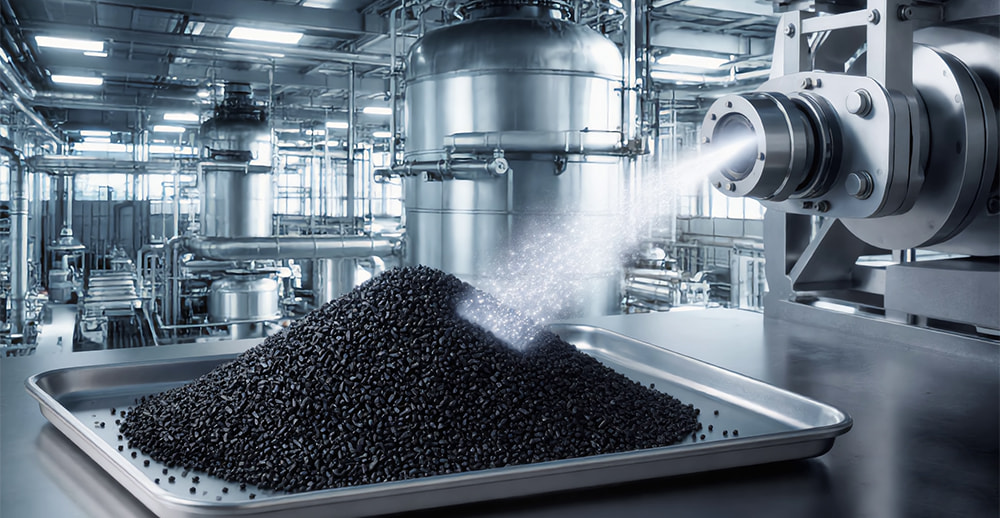
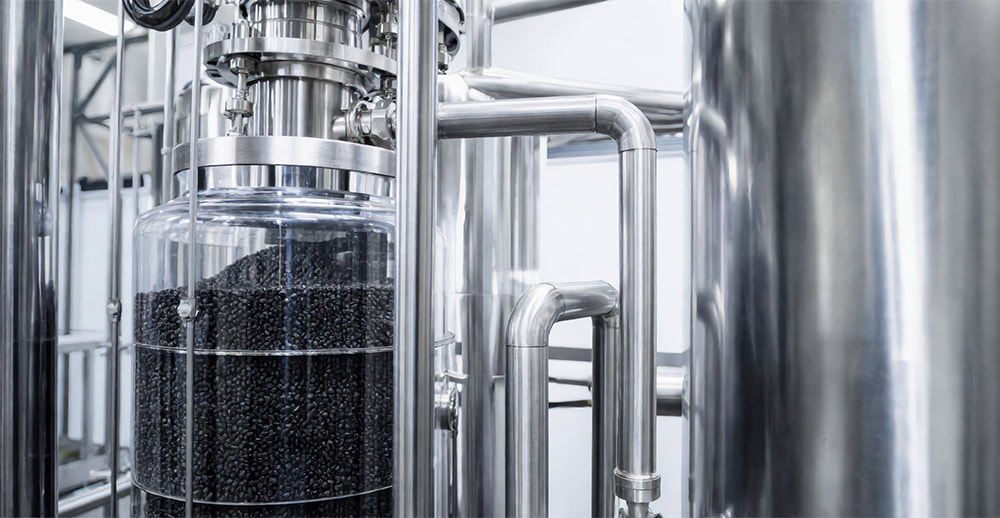
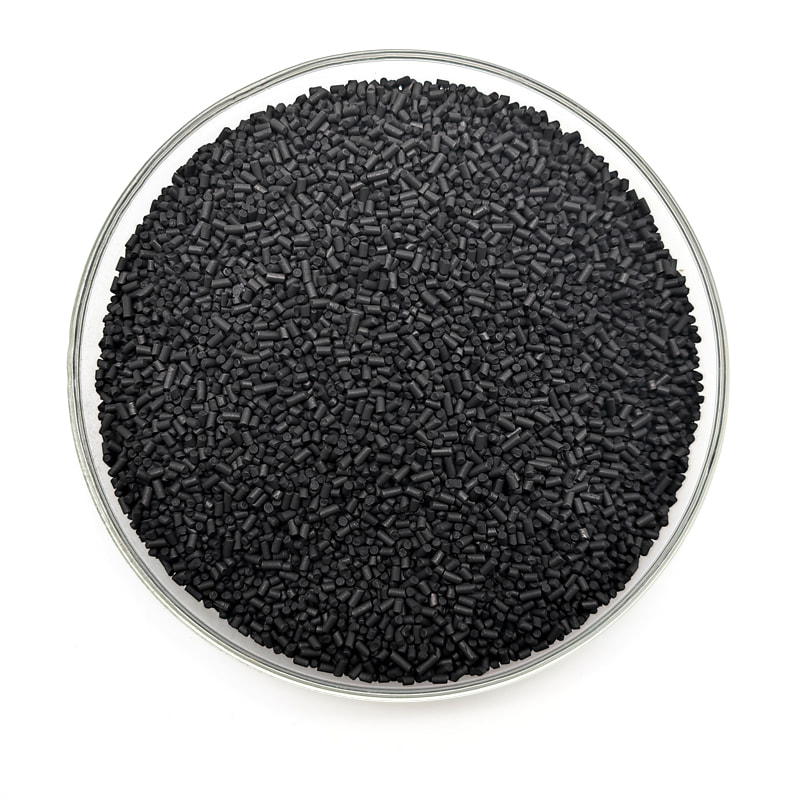
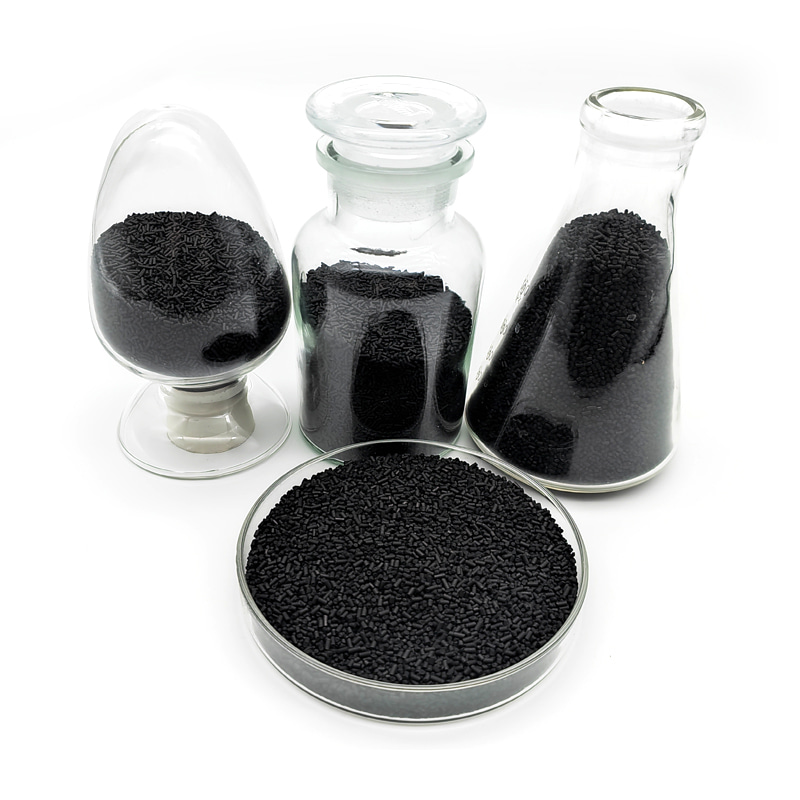
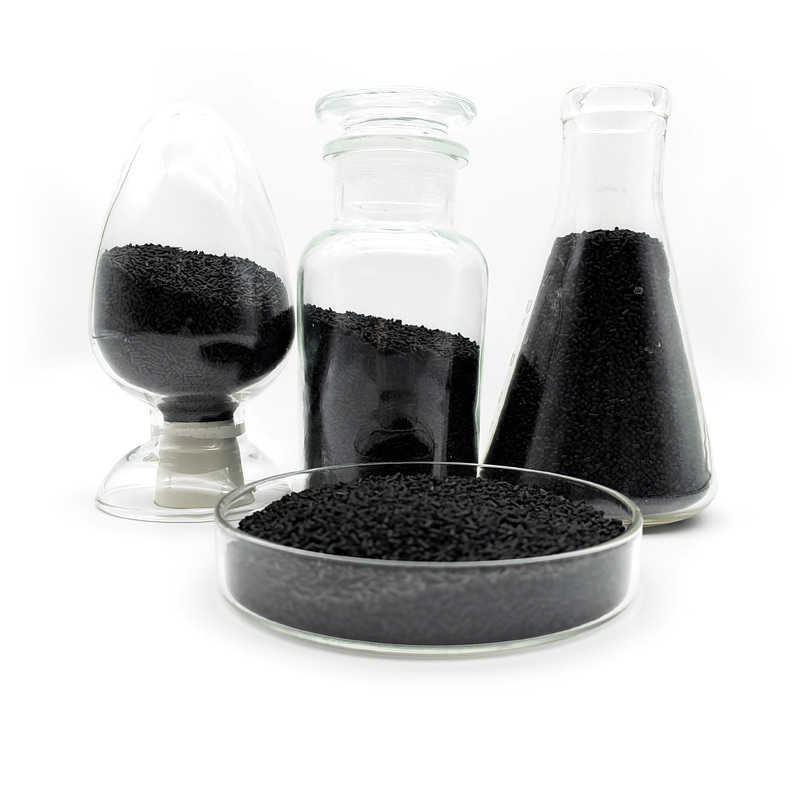
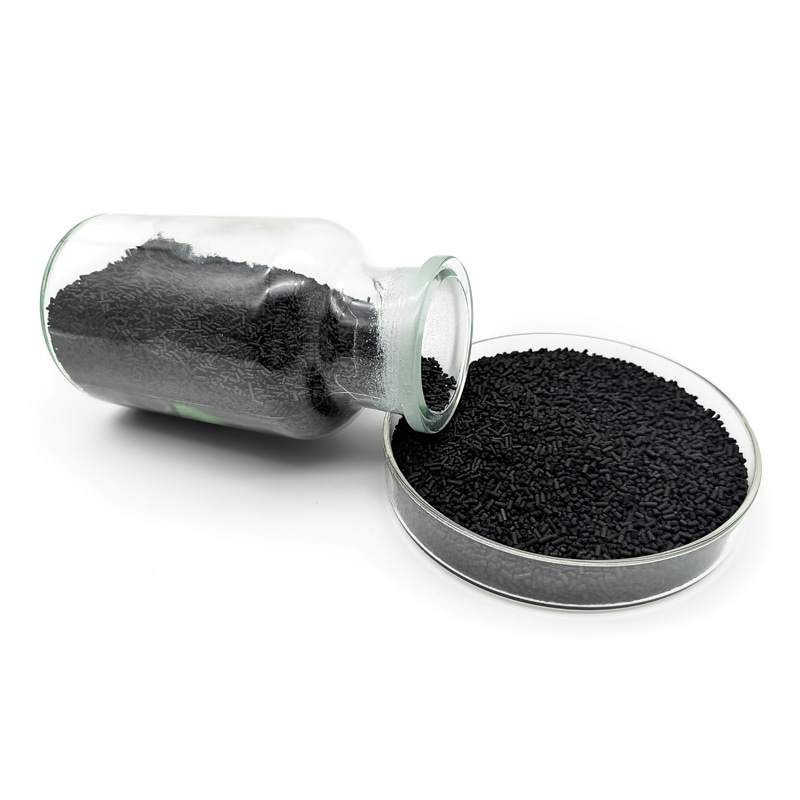
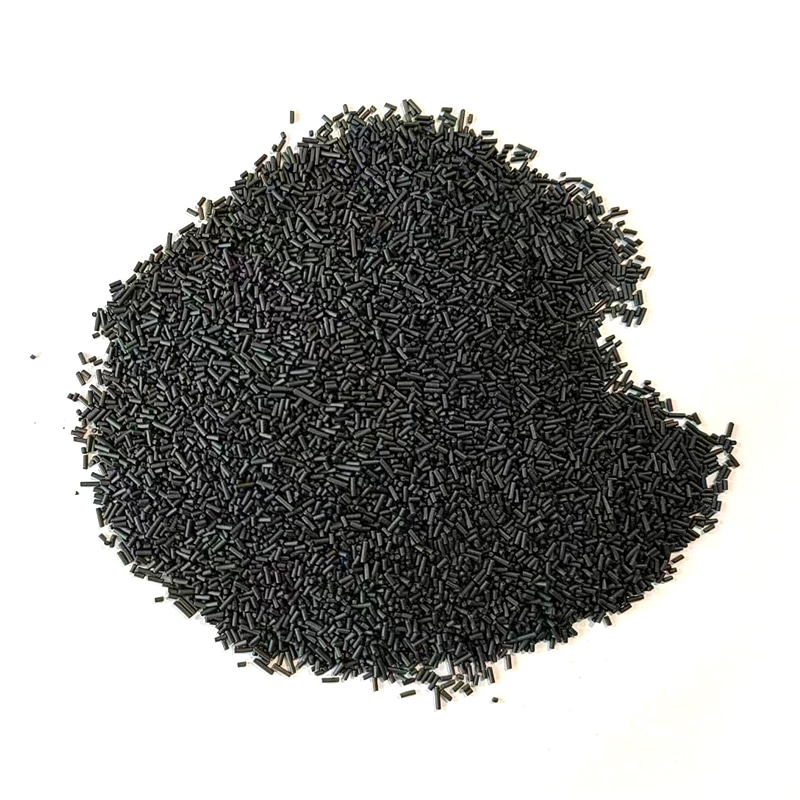
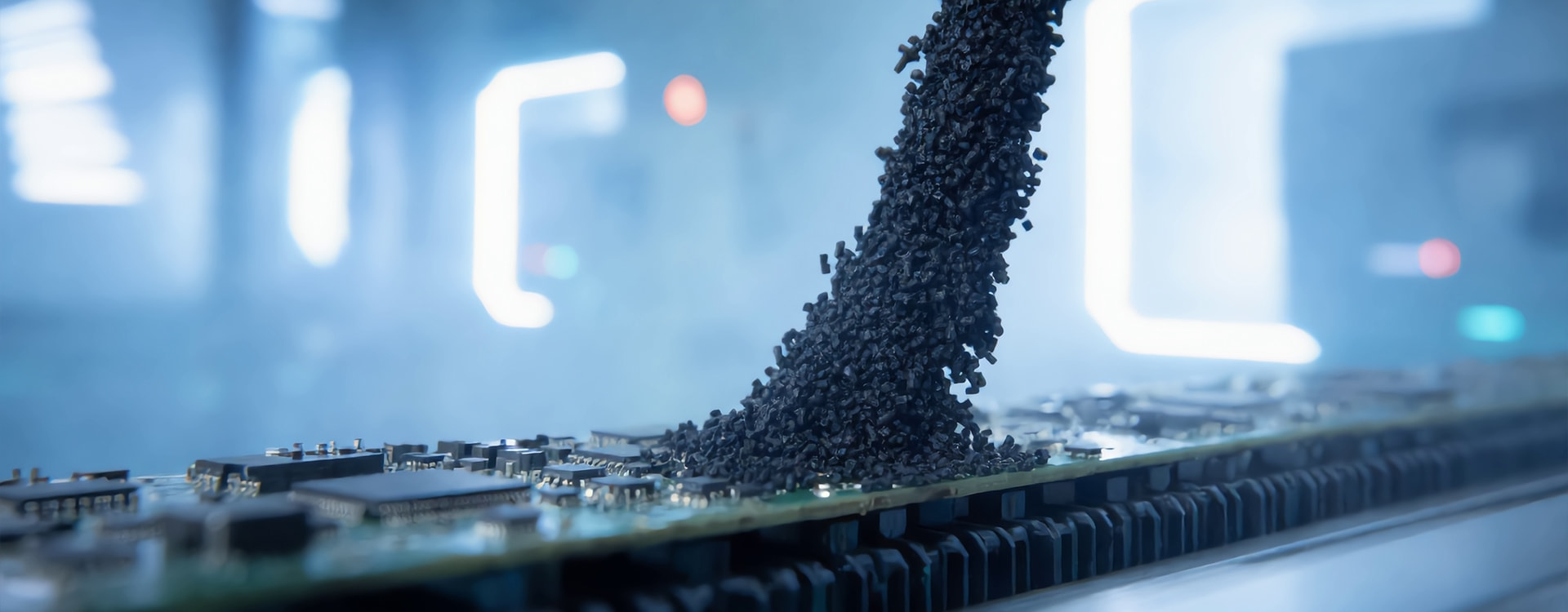
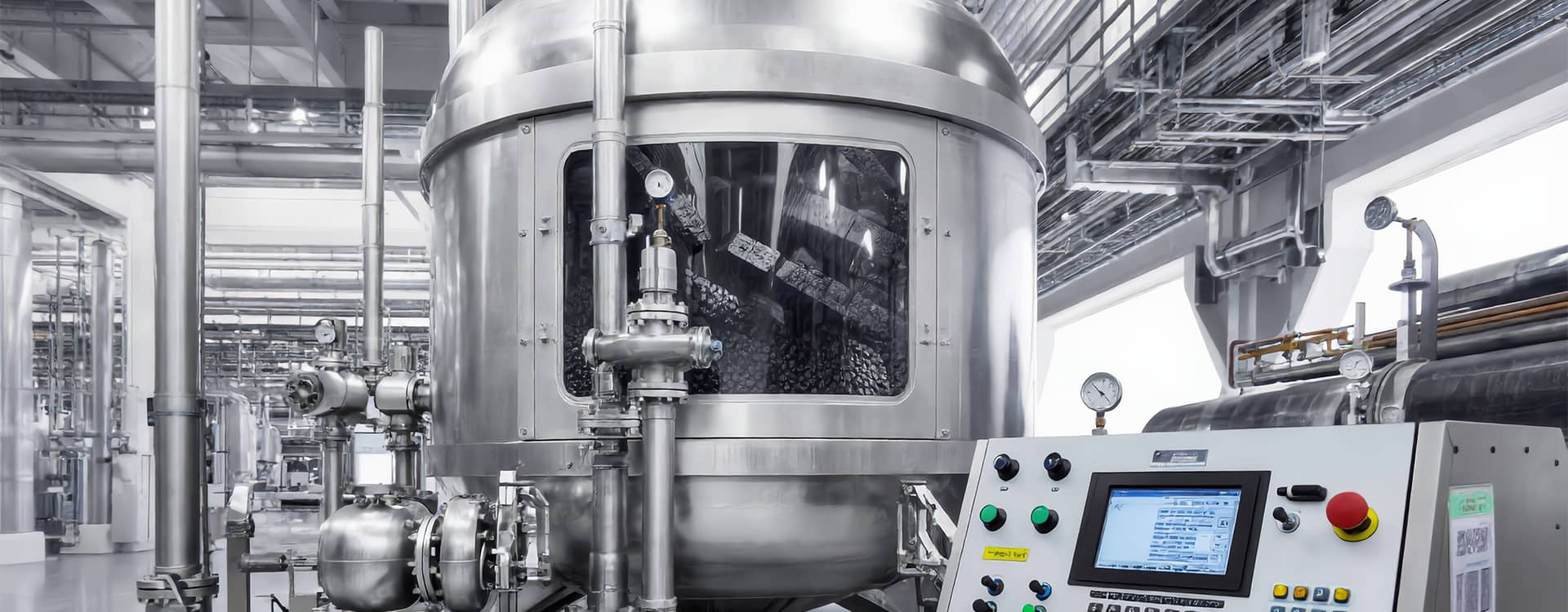
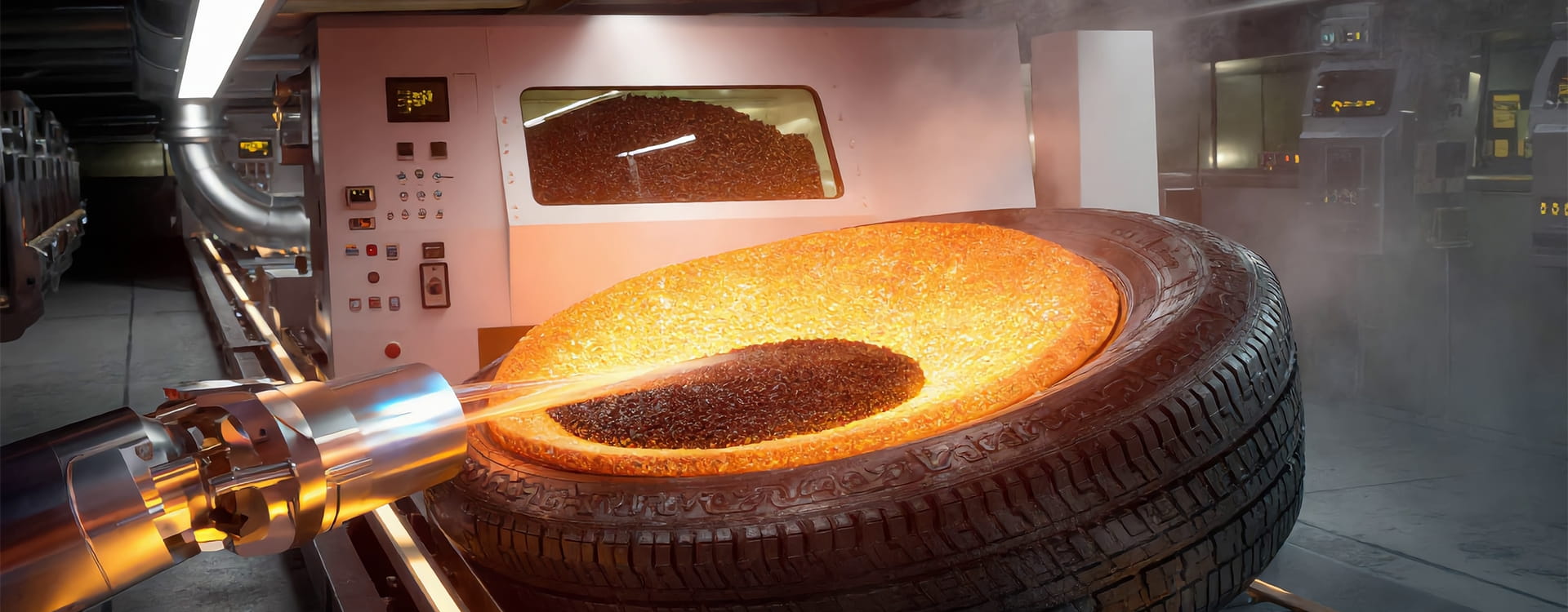
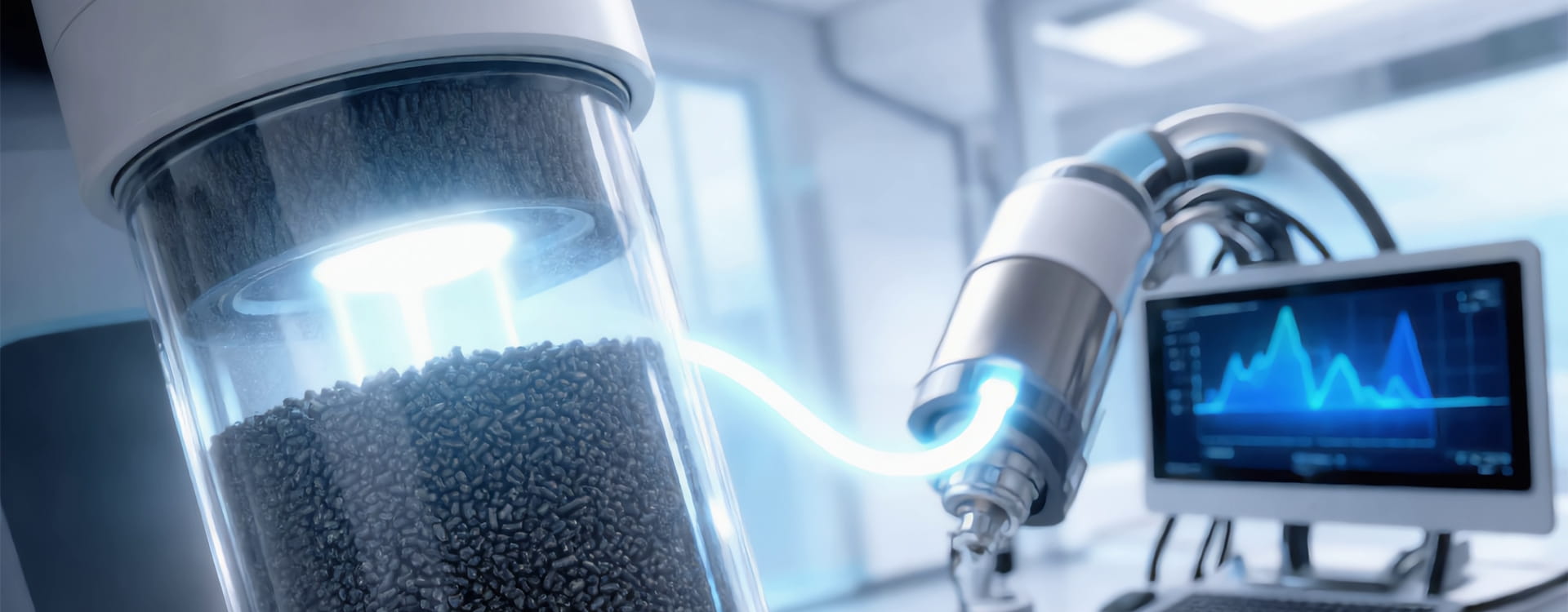
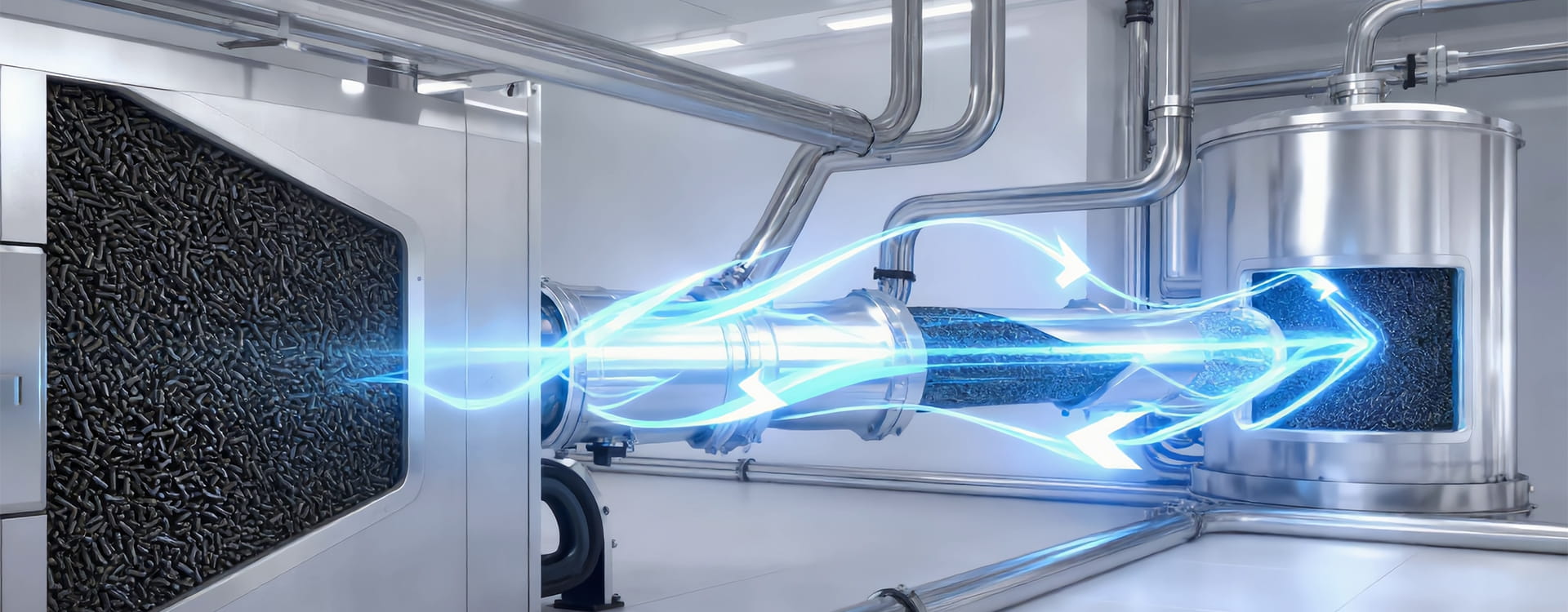
Anhui Zhuoxu New Material Technology Co., Ltd. a wholly-owned subsidiary of Huiya Group, is located in Xuancheng, Anhui Province. With a Phase I investment of 65.86 million yuan, it has built a production base with an annual output of 4,000 tons of porous carbon materials and 30,000 cubic meters of floral foam, serving the air separation and floral substrate industries.
The Phase II 3,000-ton porous carbon project, with an investment of 26.96 million yuan, is scheduled to be put into operation in 2026, focusing on breakthroughs in silicon-carbon anode materials for new energy batteries and PSA pressure swing adsorption applications. supply Carbon Molecular Sieve for Industrial Purging & Displacement
Industrial Purging & Displacement

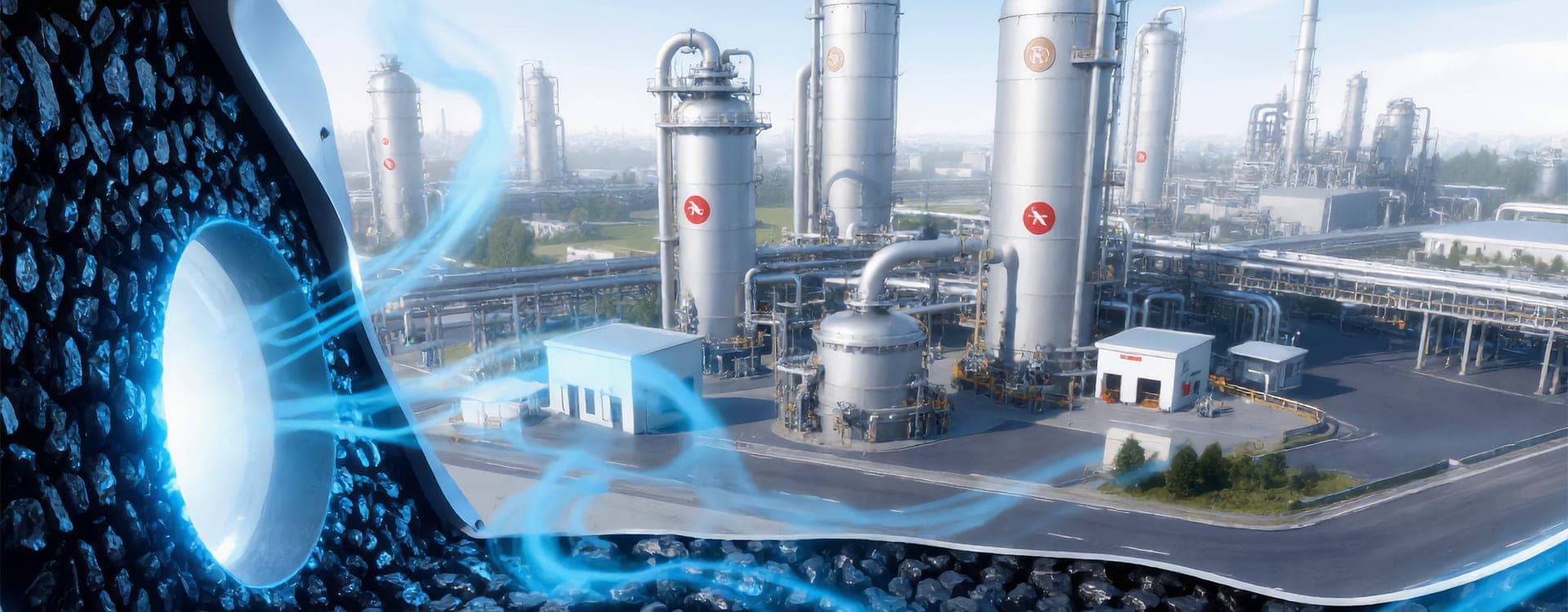
Nitrogen purges away air, fuel gases, oil vapors, and toxic gases, ensuring fire and explosion prevention as well as safe hot work operations.
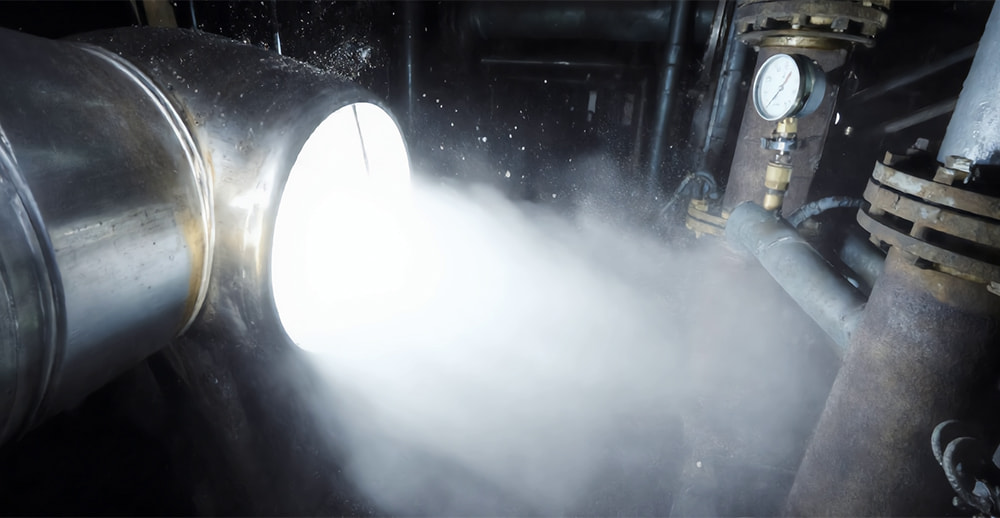
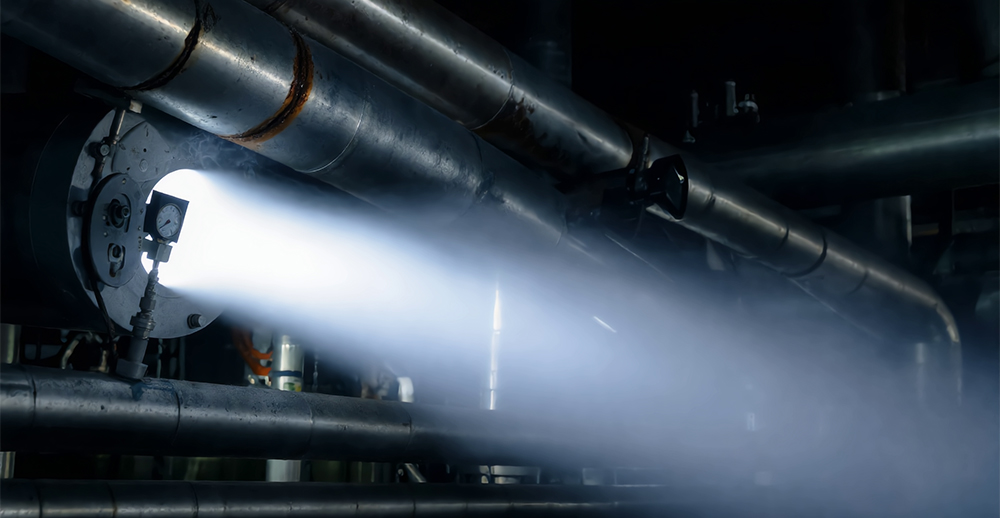
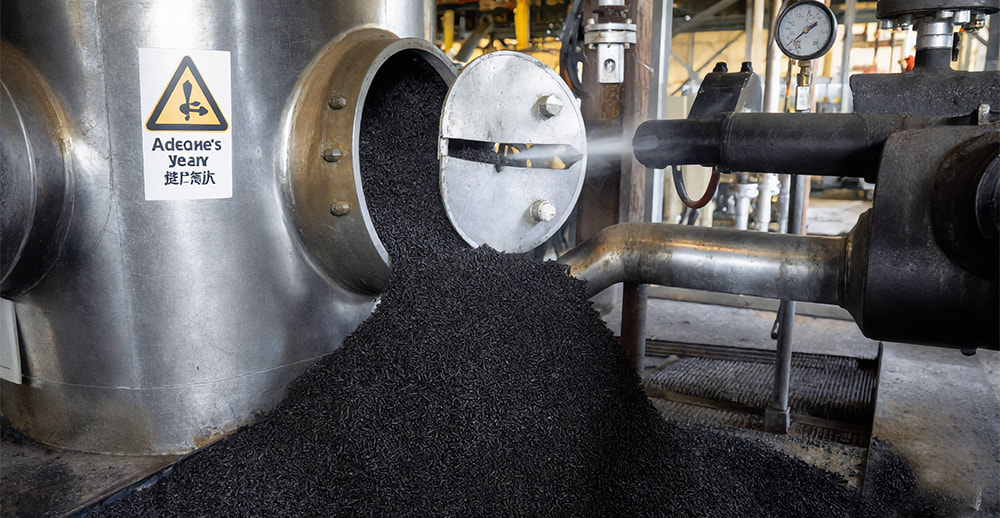
Nitrogen Purging for Gas Displacement & Pipeline Debris Removal
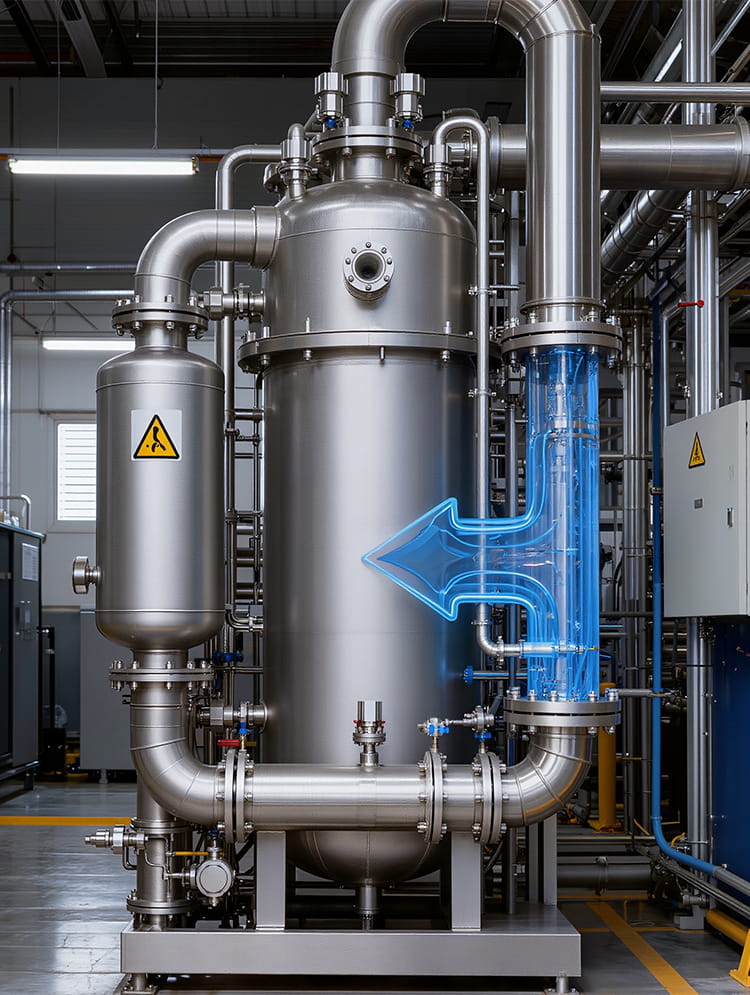
Gas Displacement (Core Function):
During the startup and shutdown of pipelines, towers, storage tanks, and reactors, nitrogen is first used to thoroughly purge the internal atmosphere of air. Only then are process fluids—such as oil vapors, methanol, ethylene, or hydrogen—introduced, thereby preventing explosive mixtures from forming.
Prior to Maintenance: Nitrogen purging is employed to evacuate combustible gases, toxic media, and residual materials. Hot work or vessel entry operations may proceed only after the oxygen content within the vessel has been verified to meet safety standards.
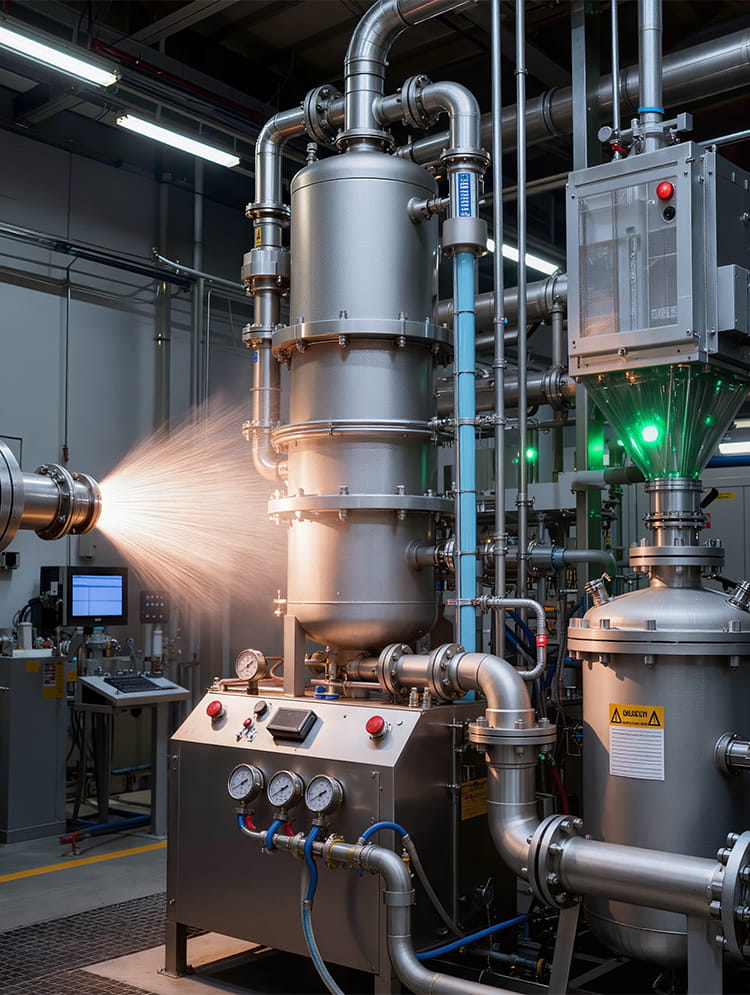
Pipeline Purging and Debris Removal:
For newly constructed pipelines containing welding slag, rust, dust, or accumulated water, high-pressure nitrogen is used for high-velocity purging. This process effectively clears the line in a single pass, protecting pumps, valves, and instrumentation from abrasion and mechanical seizure.
Moisture Protection and Drying:
Nitrogen is inherently dry and moisture-free; purging with nitrogen carries away water vapor present in pipelines, thereby preventing rust, eliminating the risk of freeze-blocking, and safeguarding catalysts from moisture-induced deactivation.
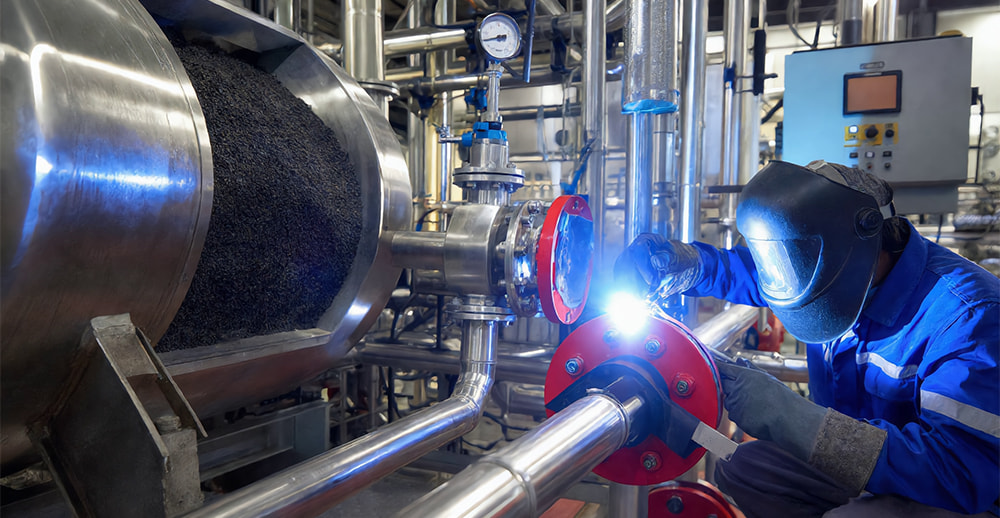
Safe Isolation for Hot Work:
During hot work operations involving flange disconnection or the installation of blind plates, a continuous nitrogen purge is maintained at a slightly positive pressure. This prevents external air from back-flowing into the system and guards against the risk of flashback (reverse ignition).
Pressure Testing and Leak Detection:
Following the purging process, the system is charged with nitrogen to maintain a slightly positive pressure for hold-testing. This allows for the identification and localization of leak points in a manner that is both visually intuitive and inherently safe.
Carbon Molecular Sieve for Industrial Purging & Displacement
Application
ABOUT ZHUOXU
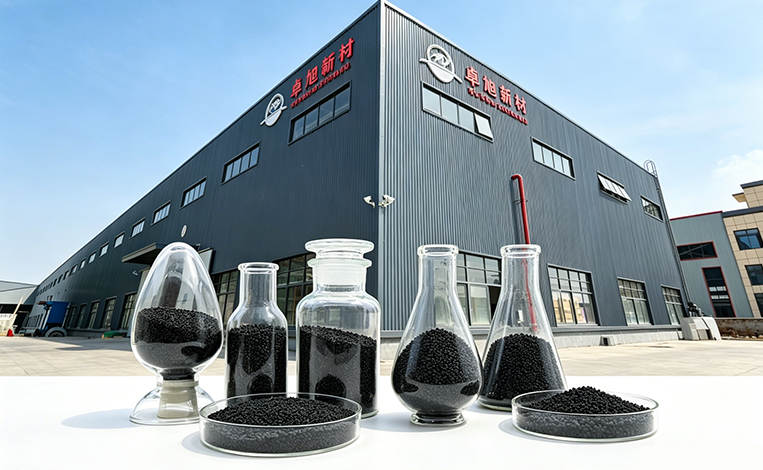
The company owns 21 core patents and ISO9001 certification, forming a closed-loop industrial chain covering porous carbon materials and nitrogen equipment services.
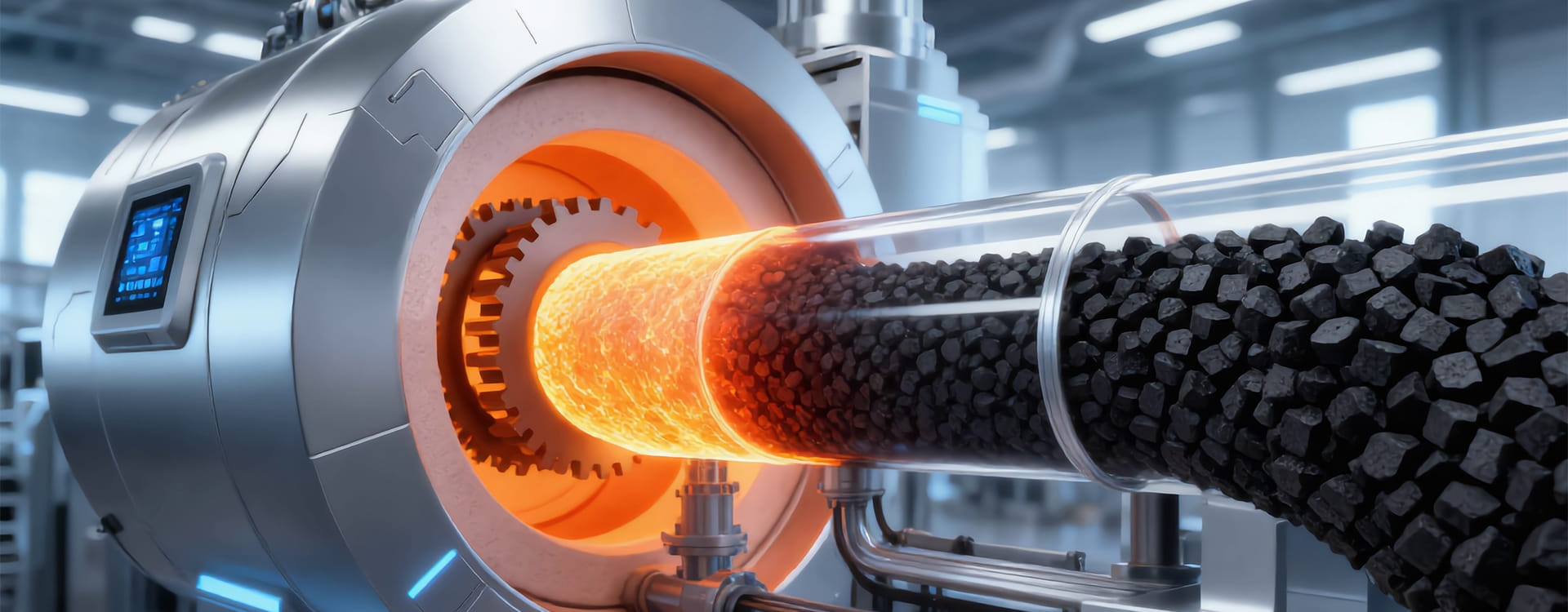
Our proprietary Resin-based Porous Carbon (RHC) technology takes polymer resin as the precursor and forms a highly stable hard carbon structure through high-temperature carbonization, enjoying irreplaceable advantages in sodium-ion batteries and supercapacitors. Carbon Molecular Sieve for Pipeline Debris Removal. Our products are sold nationwide and exported to Asia, South America, the Middle East and Southeast Asia. Through in-depth technical cooperation with universities and listed enterprises, we continuously promote the iterative upgrading of new energy materials and gas separation technologies.
NEWS & EVENTS
who we are

 E-mail
anhuilisa@126.com
E-mail
anhuilisa@126.com
 Phone
+86 18603224420
Phone
+86 18603224420
 Address
No. 26 Kunshan Road, Xuanzhou Economic Development Zone, Liqiao Town, Xuanzhou District, Xuancheng City, Anhui Province, P.R.China
Address
No. 26 Kunshan Road, Xuanzhou Economic Development Zone, Liqiao Town, Xuanzhou District, Xuancheng City, Anhui Province, P.R.China
Products
Application
About
Copyright Anhui Zhuoxu New Material Technology Co., Ltd. All rights reserved.
 Industrial Purging & Displacement Industry Carbon Molecular Sieve Manufacturers