
 English
 中文简体
中文简体 русский
 Français
 Español
 عربى
عربى CONTACT US


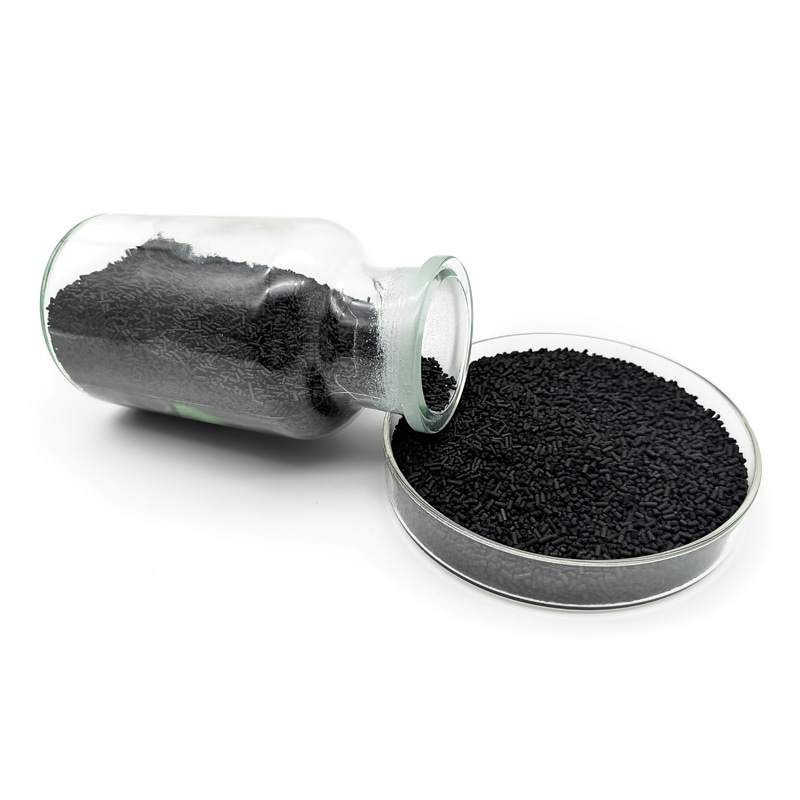
CMS-260 Carbon Molecular Sieve: The Top-Tier Choice for Ultra-High Purity Nitrogen
2026-07-28
Content
- 1 What Sets CMS-260 Carbon Molecular Sieve Apart
- 2 The Science Behind CMS-260's Ultra-High Purity Performance
- 3 Applications That Demand CMS-260 Carbon Molecular Sieve
- 4 CMS-260 Compared to Other Carbon Molecular Sieve Grades
- 5 What to Verify Before Purchasing CMS-260
- 6 Protecting Your Investment in CMS-260 Carbon Molecular Sieve
- 7 Deciding Whether CMS-260 Is Worth the Investment
What Sets CMS-260 Carbon Molecular Sieve Apart
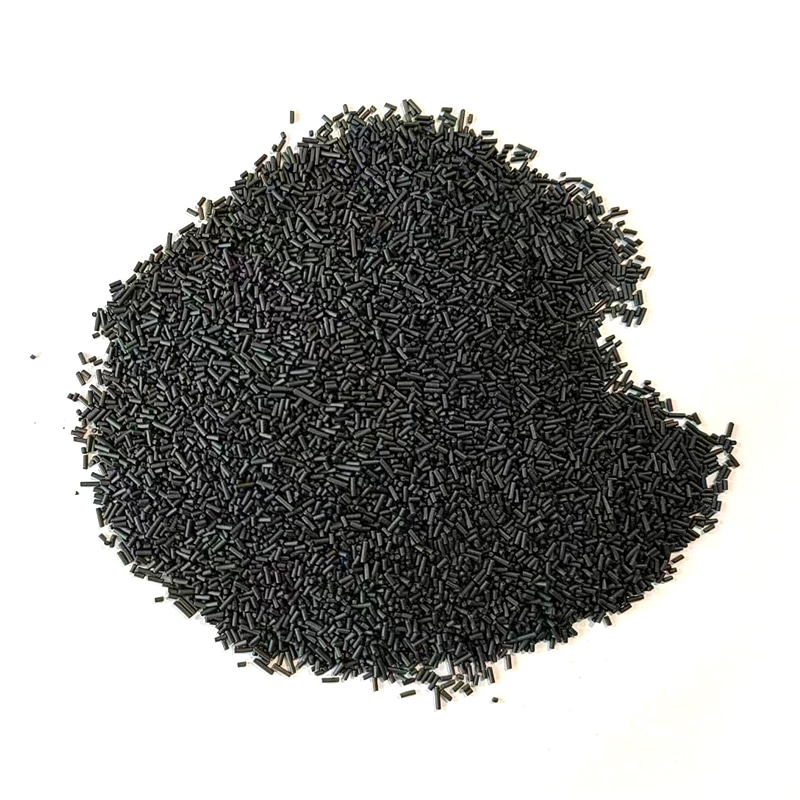
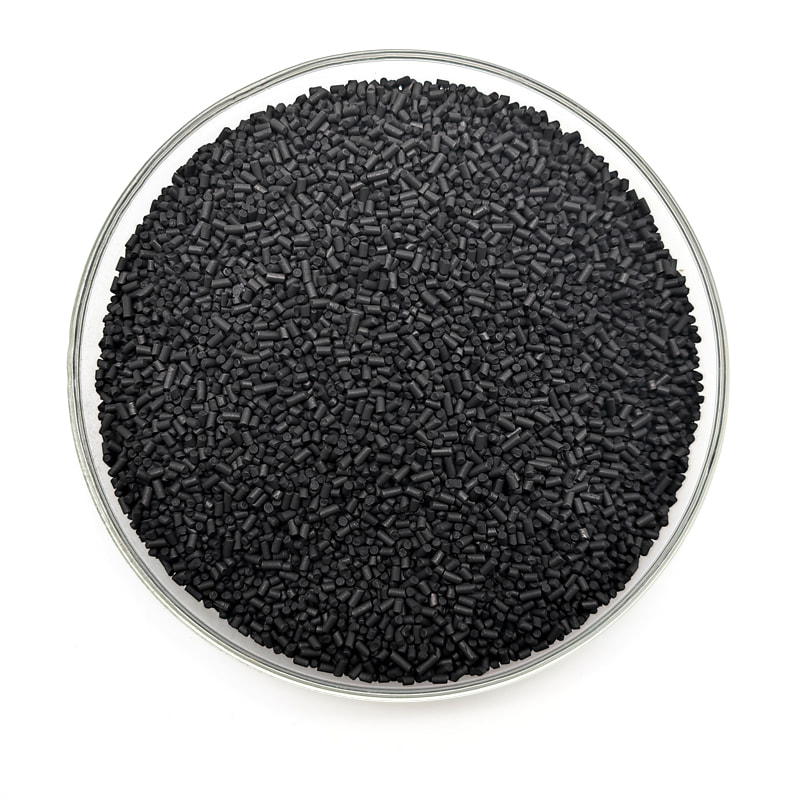
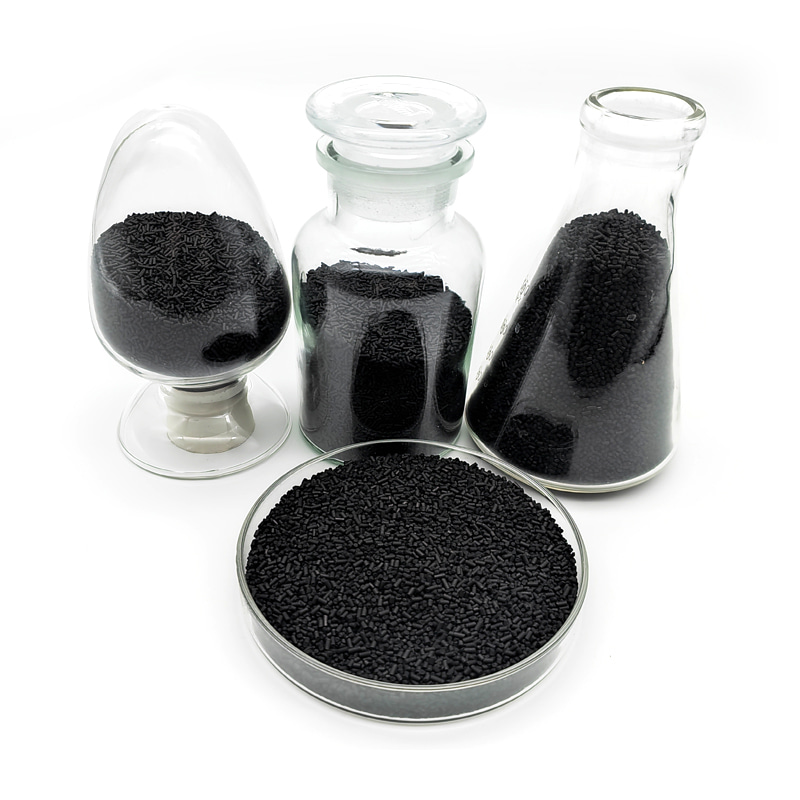
CMS-260 Carbon Molecular Sieve sits at the top end of the carbon molecular sieve product range, built for operations where nitrogen purity cannot be compromised under any circumstances. While standard grades of carbon molecular sieve are engineered for a balance between purity and throughput, CMS-260 is engineered almost entirely around one goal: pushing nitrogen purity as high as the physics of kinetic separation will allow. Its micropore structure is manufactured with exceptionally tight tolerances, which is what allows it to consistently reach purity levels that other grades of carbon molecular sieve struggle to sustain over long production runs.
This level of refinement doesn't happen by accident. Producing carbon molecular sieve at the CMS-260 tier requires more precise control during the carbonization and pore-tailoring stages of manufacturing, which is reflected in both its performance and its price point. For facilities where even a small percentage of residual oxygen could compromise a product batch or create a safety hazard, this additional investment is often non-negotiable.
The Science Behind CMS-260's Ultra-High Purity Performance
Extremely Narrow Pore Size Distribution
The defining feature of CMS-260 carbon molecular sieve is how narrow and uniform its micropore openings are compared to other grades. Because oxygen and nitrogen molecules differ in kinetic diameter by only a fraction of an angstrom, even tiny inconsistencies in pore size can allow nitrogen molecules to slip into the carbon structure alongside oxygen, lowering purity. CMS-260 minimizes this by holding pore size variation to a very tight range, which maximizes the diffusion rate difference between the two gases and results in a much cleaner separation.
Extended Adsorption Cycles for Maximum Purity
PSA systems running CMS-260 typically operate with longer adsorption cycles than systems using mid-grade or standard carbon molecular sieve. The extended cycle time allows oxygen molecules more opportunity to fully occupy the available micropore volume before the system switches beds, squeezing out nearly all residual oxygen from the nitrogen product stream. The trade-off is a lower nitrogen output rate per unit volume of sieve, which is a deliberate design choice rather than a limitation, since the priority for this grade is purity, not raw volume.
Applications That Demand CMS-260 Carbon Molecular Sieve
CMS-260 is not typically recommended for general nitrogen blanketing or packaging use, since the added cost isn't justified unless the application genuinely requires nitrogen purity in the highest achievable range. It tends to be reserved for processes where oxygen contamination carries serious consequences.
- Semiconductor wafer processing, where trace oxygen can cause micro-level defects in circuitry
- High-precision analytical and laboratory instrumentation requiring an extremely stable carrier gas
- Advanced battery cell manufacturing, where oxygen and moisture exposure can degrade sensitive materials
- Specialty pharmaceutical synthesis involving highly oxygen-reactive compounds
- Aerospace component processing where inert atmosphere control is a strict quality requirement
CMS-260 Compared to Other Carbon Molecular Sieve Grades
Understanding where CMS-260 fits relative to other carbon molecular sieve grades helps buyers avoid overspending on capability they don't need, or underspending on a process that genuinely requires top-tier purity.
| Grade | Typical Nitrogen Purity | Relative Output Rate | Relative Cost |
| CMS-160 | 95% - 99.5% | High | Low |
| CMS-240 | 99.9% - 99.999% | Moderate | Moderate-High |
| CMS-260 | 99.999% and above | Lower | Highest |
What to Verify Before Purchasing CMS-260
Batch-Level Consistency Reports
Because CMS-260 performance depends on extremely tight pore tolerances, buyers should always request batch-specific test data rather than relying on general product specifications. Ask suppliers for pore size distribution reports, adsorption capacity curves, and purity test results tied to the specific lot being purchased, since manufacturing variance between production batches can have an outsized effect on a sieve engineered for this level of precision.
Compatibility With Existing PSA Equipment
Upgrading from a standard carbon molecular sieve to CMS-260 isn't always a straightforward swap. Because this grade typically requires longer cycle times and can shift the pressure and flow balance of a PSA system, it's worth consulting with either the sieve manufacturer or the system's original equipment provider to confirm that existing valve timing, tower sizing, and control logic can be adjusted to get the most out of the upgrade.
Protecting Your Investment in CMS-260 Carbon Molecular Sieve
Given its premium cost, protecting a CMS-260 bed from contamination should be treated as a top operational priority. Oil vapor, moisture, and particulates from an inadequately maintained compressed air system can foul the fine pore structure much faster than they would with a standard grade of carbon molecular sieve, and the resulting drop in purity can be costly to diagnose and reverse. High-quality coalescing filters, refrigerated or desiccant dryers, and regular filter element replacement schedules are essential safeguards for any system running this grade.
Ongoing purity monitoring is equally important. Since CMS-260 is often used in applications with tight tolerances, even a small, gradual decline in output purity can signal that the sieve is nearing the end of its effective service life. Catching this early, before it affects production quality, is far less costly than dealing with a downstream failure caused by an undetected drop in nitrogen purity.
Deciding Whether CMS-260 Is Worth the Investment
CMS-260 carbon molecular sieve delivers real value only when a process genuinely requires nitrogen purity at the extreme upper end of what PSA technology can achieve. For most standard nitrogen blanketing, packaging, or general inerting applications, a mid-tier or standard grade of carbon molecular sieve will provide better overall economics through faster cycles and higher throughput. But for facilities where oxygen contamination directly threatens product integrity, safety, or compliance, CMS-260 offers a level of purity performance that justifies its premium position in the carbon molecular sieve product lineup.



 E-mail
anhuilisa@126.com
E-mail
anhuilisa@126.com
 Phone
+86 18603224420
Phone
+86 18603224420
 Address
No. 26 Kunshan Road, Xuanzhou Economic Development Zone, Liqiao Town, Xuanzhou District, Xuancheng City, Anhui Province, P.R.China
Address
No. 26 Kunshan Road, Xuanzhou Economic Development Zone, Liqiao Town, Xuanzhou District, Xuancheng City, Anhui Province, P.R.China
Copyright Anhui Zhuoxu New Material Technology Co., Ltd. All rights reserved.
 Carbon Molecular Sieve Manufacturer Carbon Molecular Sieve Supplier