
 English
 中文简体
中文简体 русский
 Français
 Español
 عربى
عربى CONTACT US


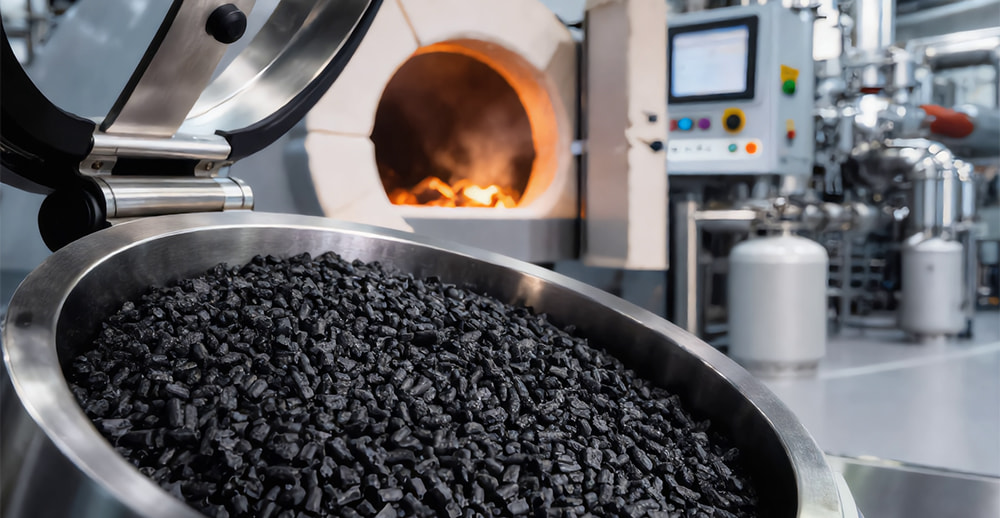
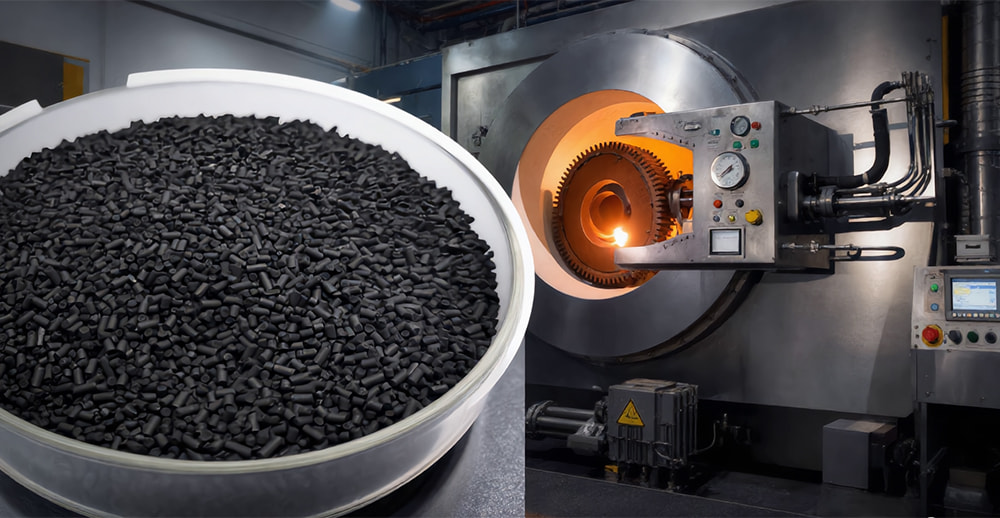
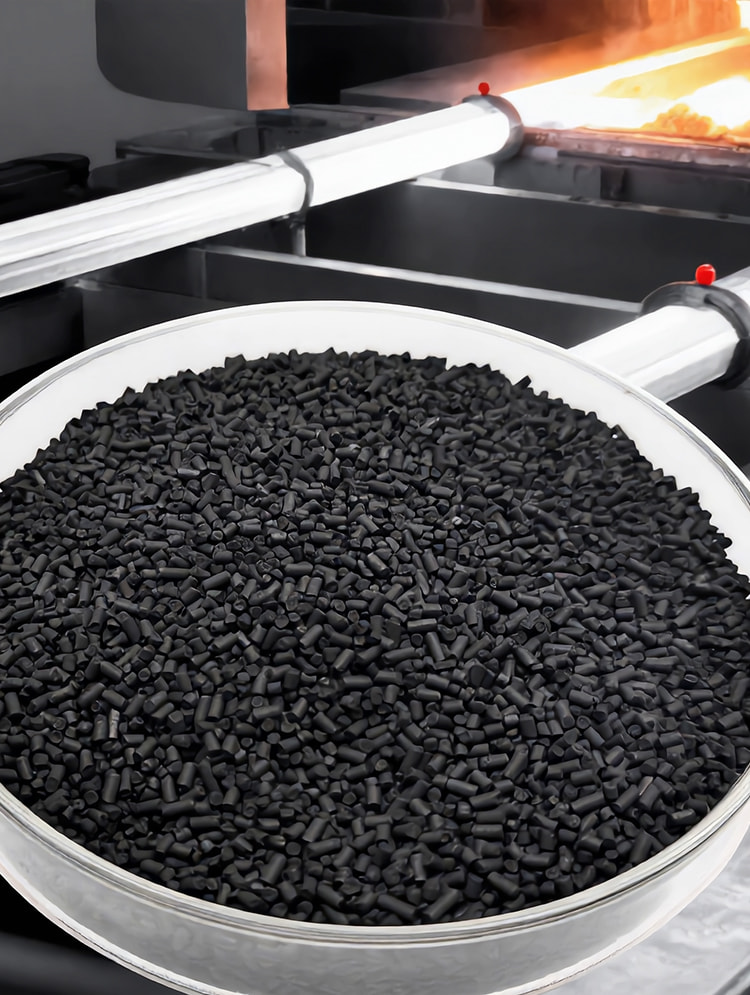
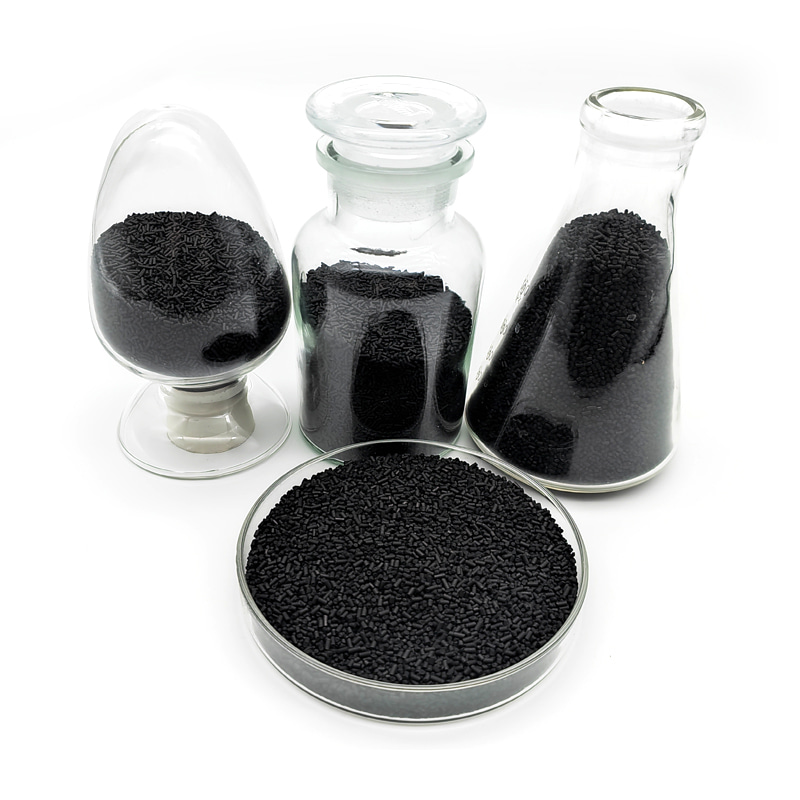
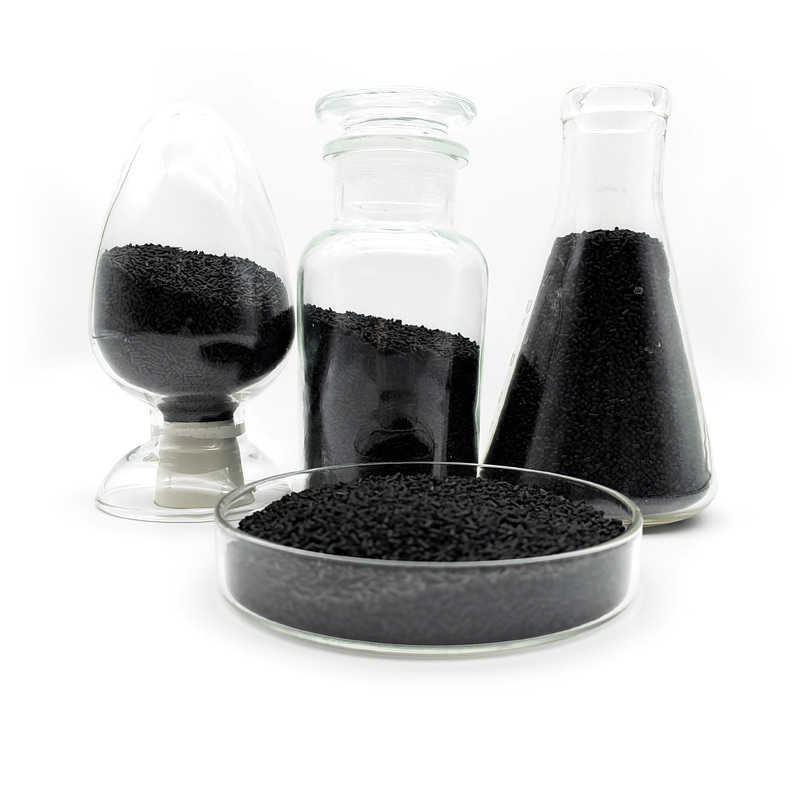
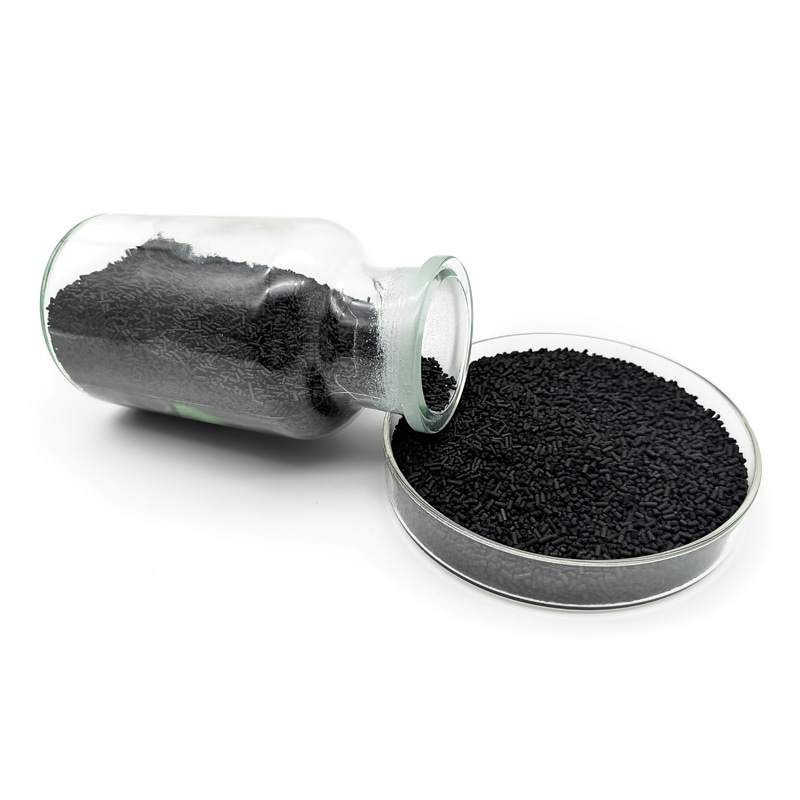
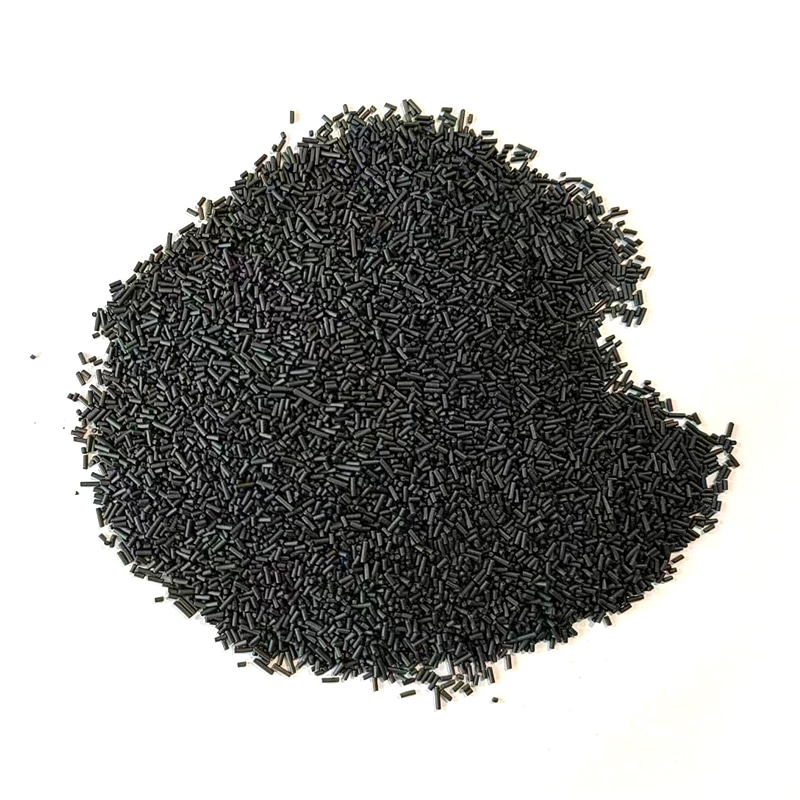

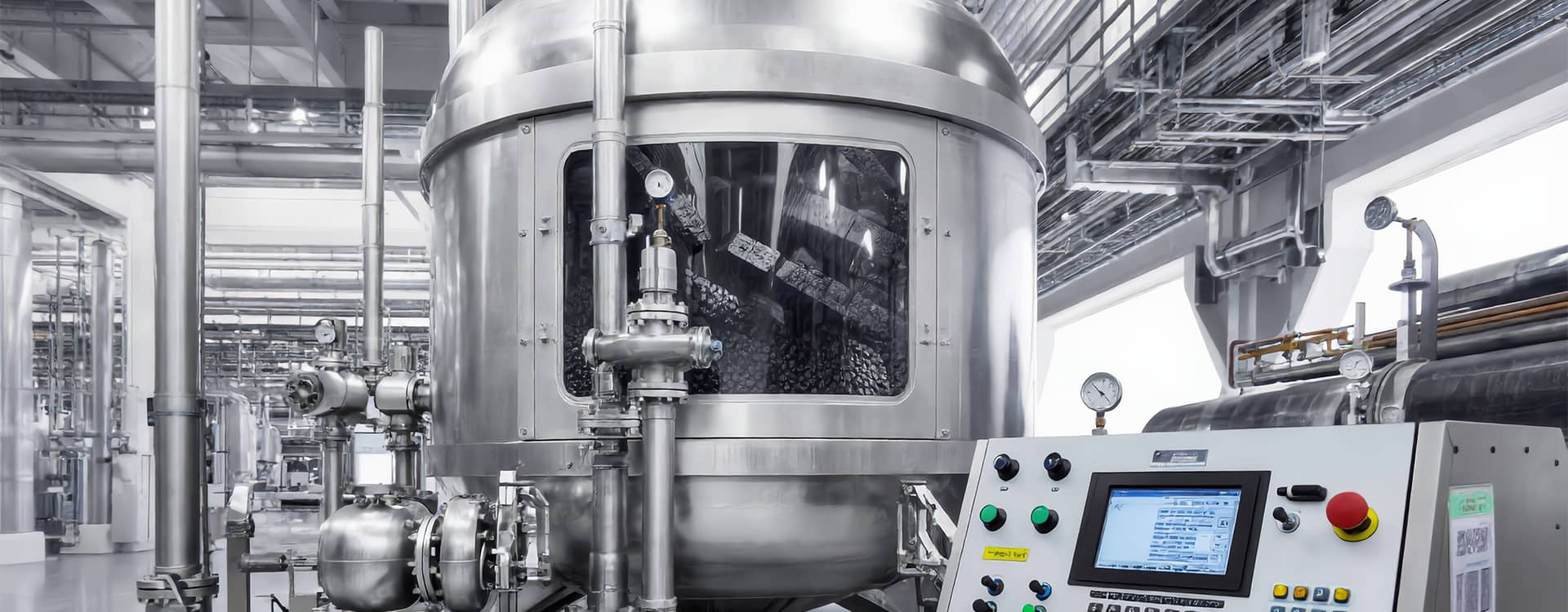
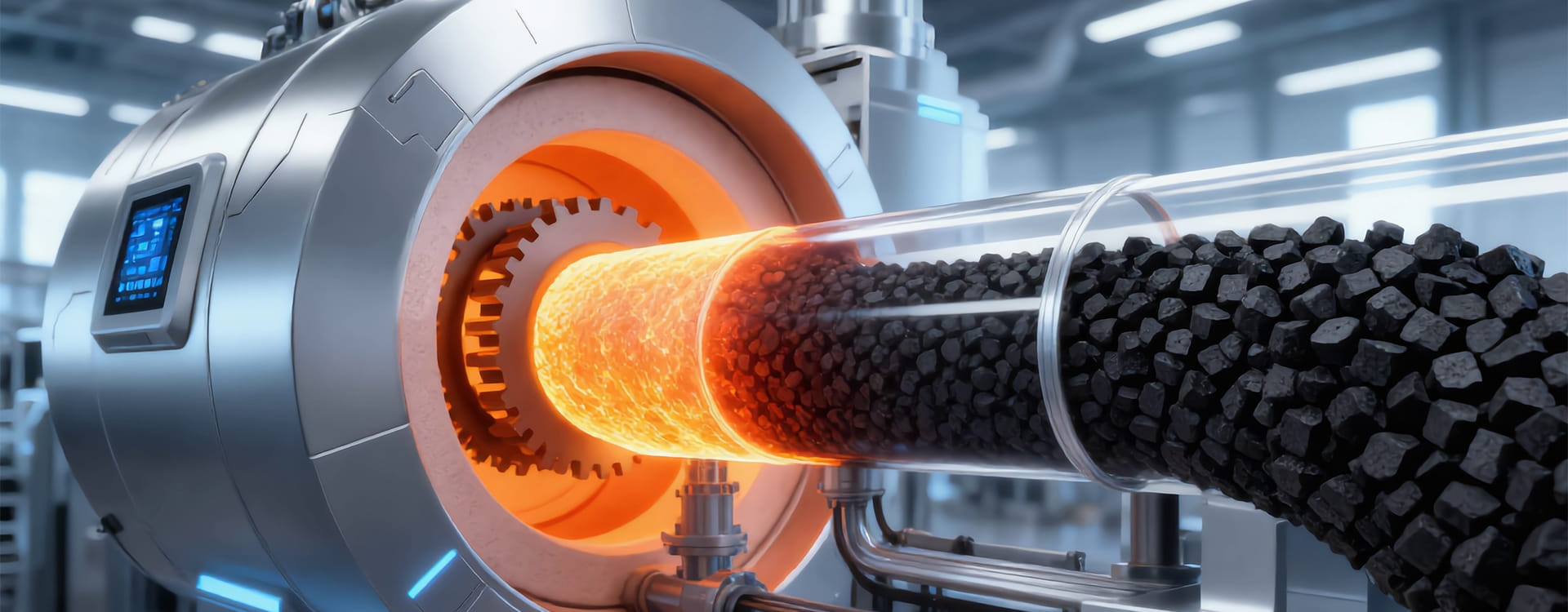
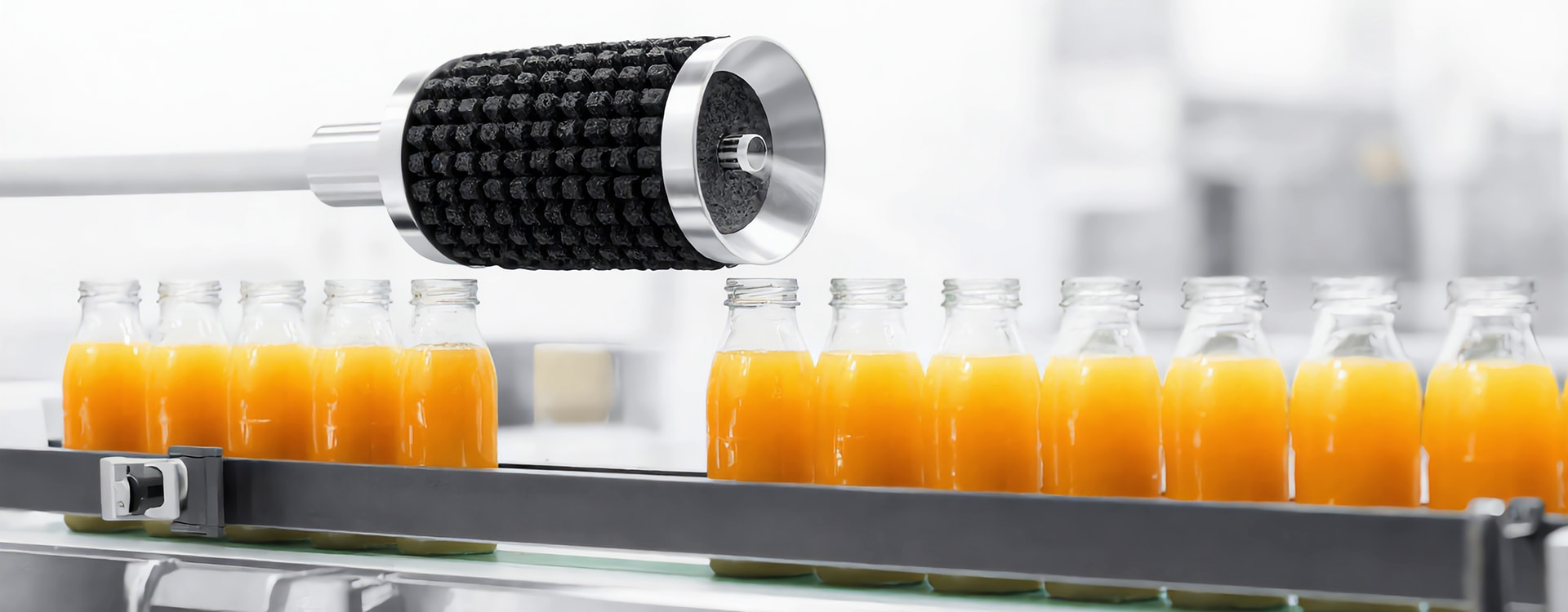
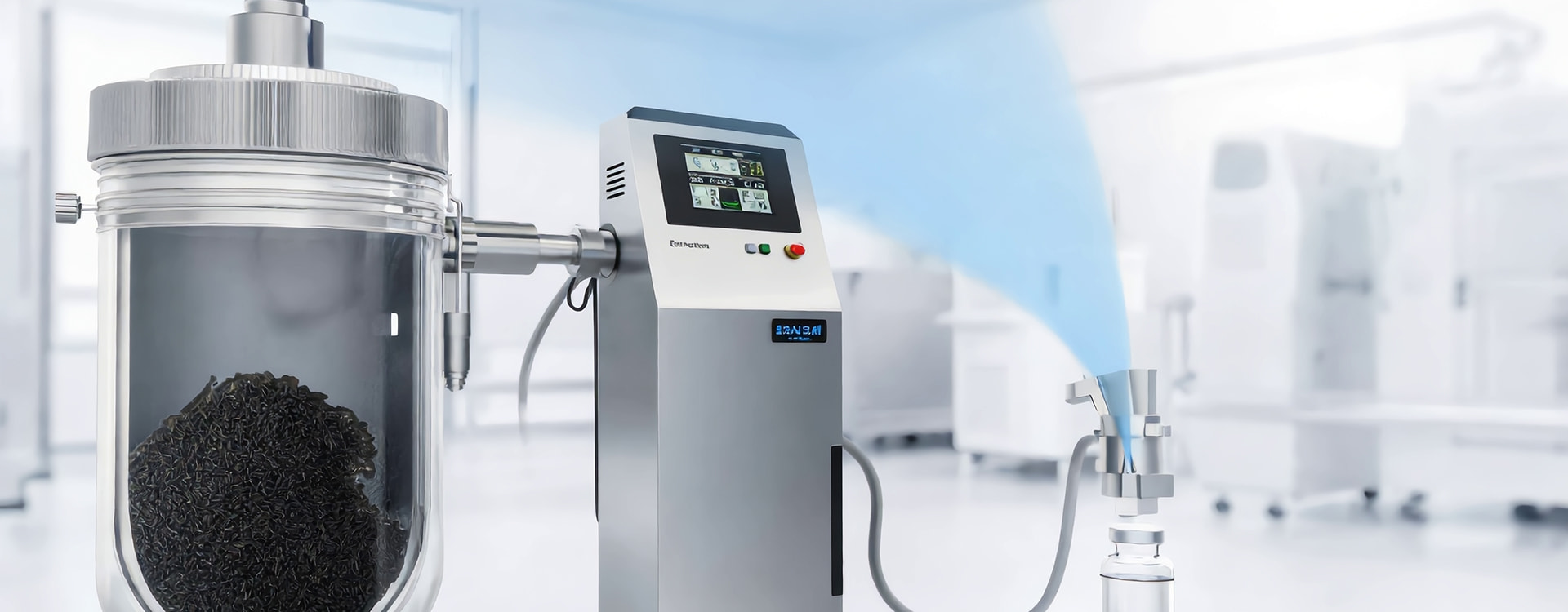
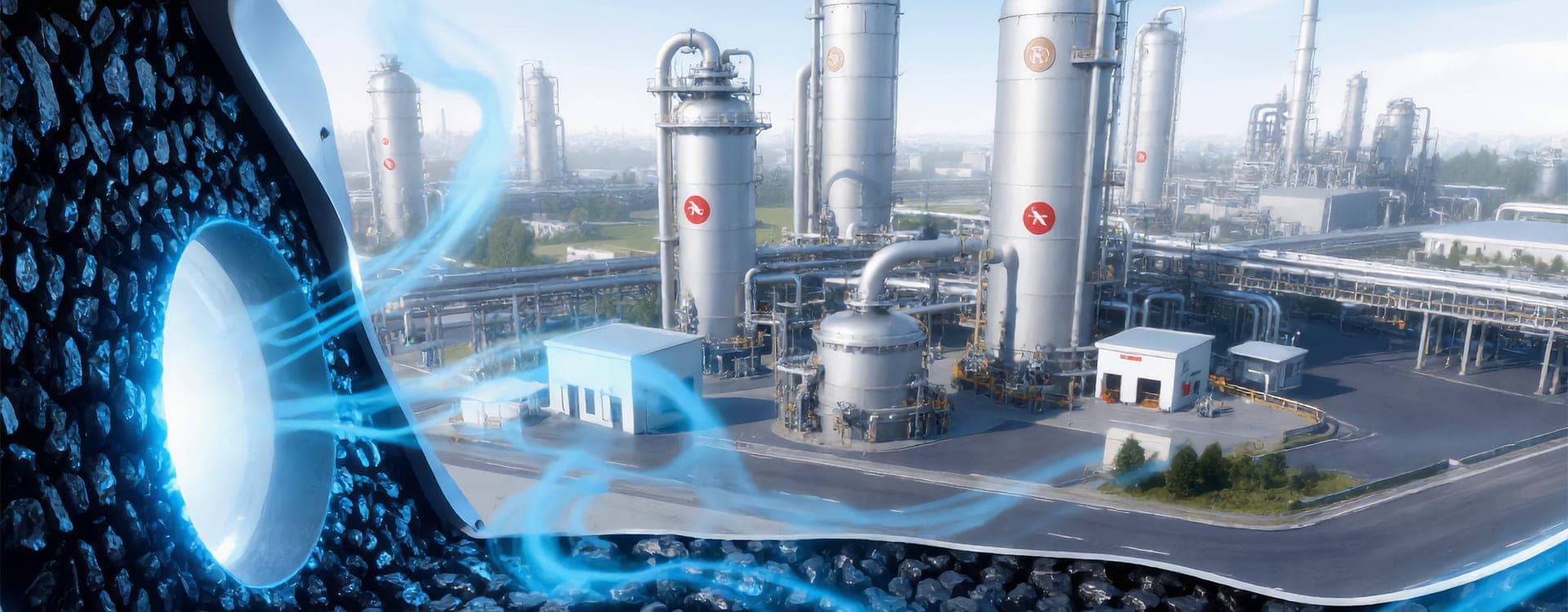
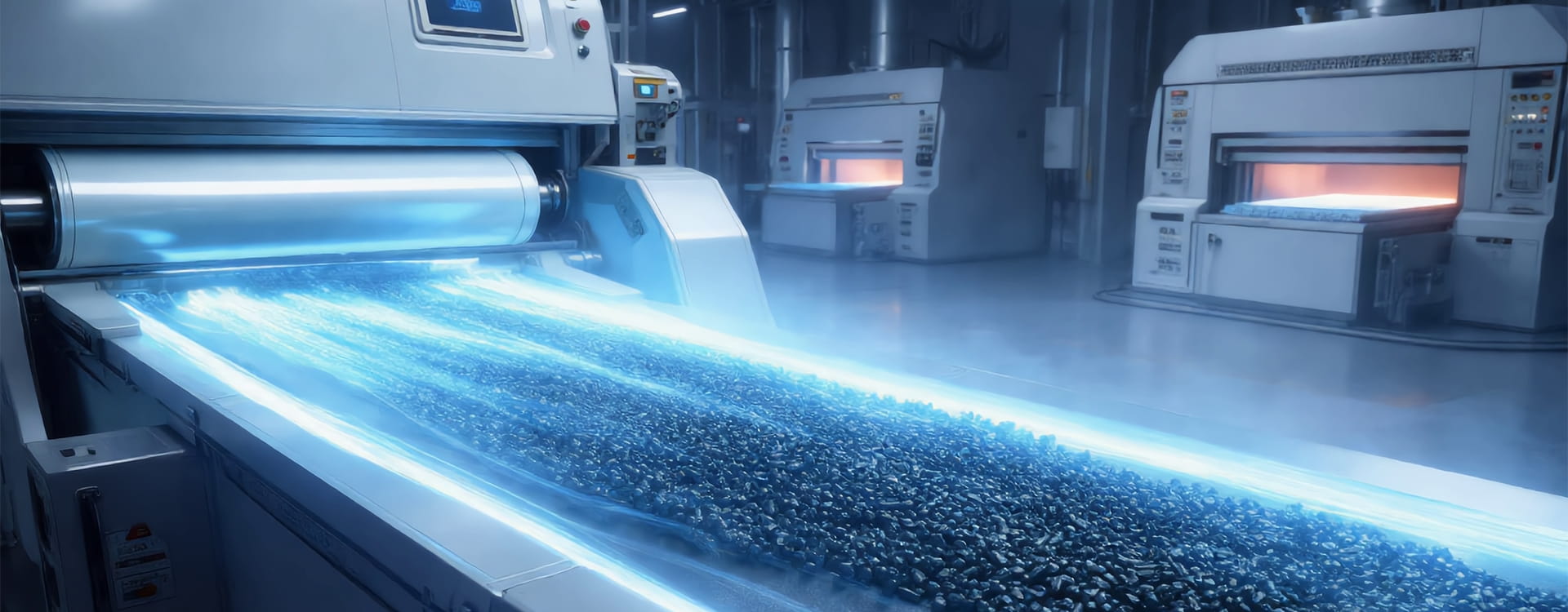
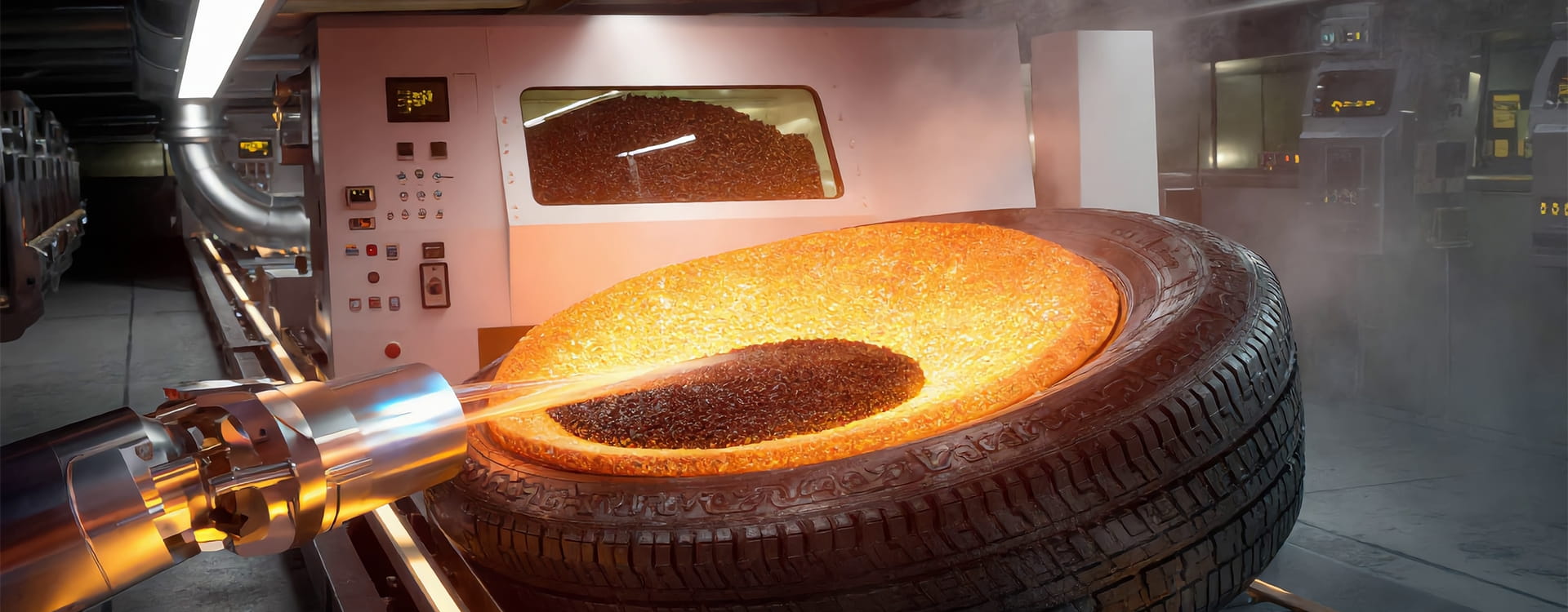
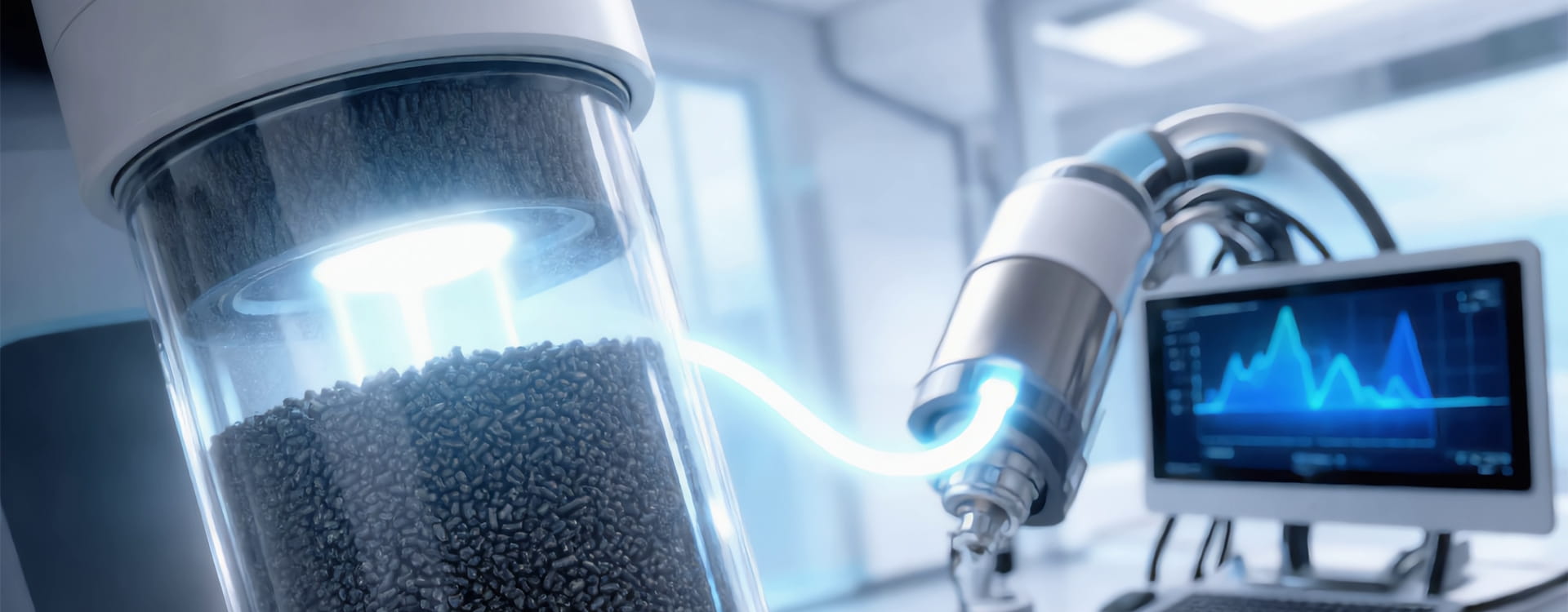
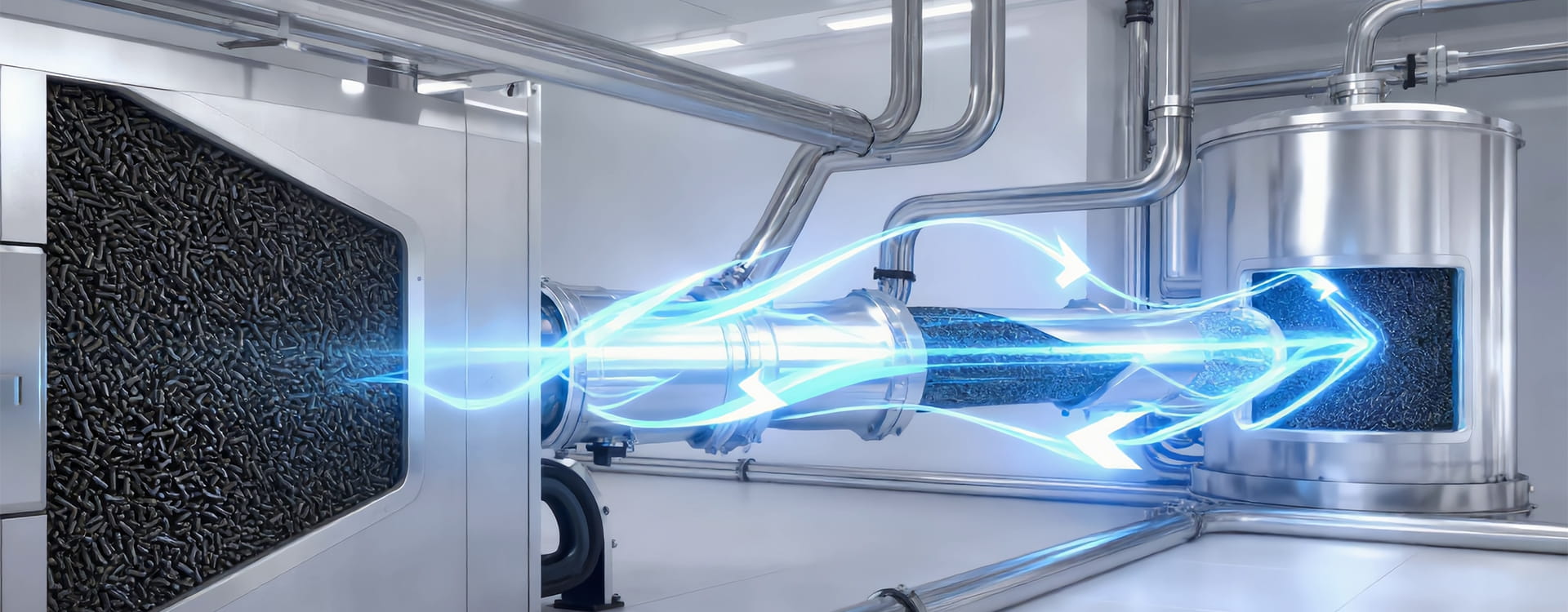
Anhui Zhuoxu New Material Technology Co., Ltd. a wholly-owned subsidiary of Huiya Group, is located in Xuancheng, Anhui Province. With a Phase I investment of 65.86 million yuan, it has built a production base with an annual output of 4,000 tons of porous carbon materials and 30,000 cubic meters of floral foam, serving the air separation and floral substrate industries.
The Phase II 3,000-ton porous carbon project, with an investment of 26.96 million yuan, is scheduled to be put into operation in 2026, focusing on breakthroughs in silicon-carbon anode materials for new energy batteries and PSA pressure swing adsorption applications. supply Carbon Molecular Sieve for Metal Heat Treatment
Metal Heat Treatment

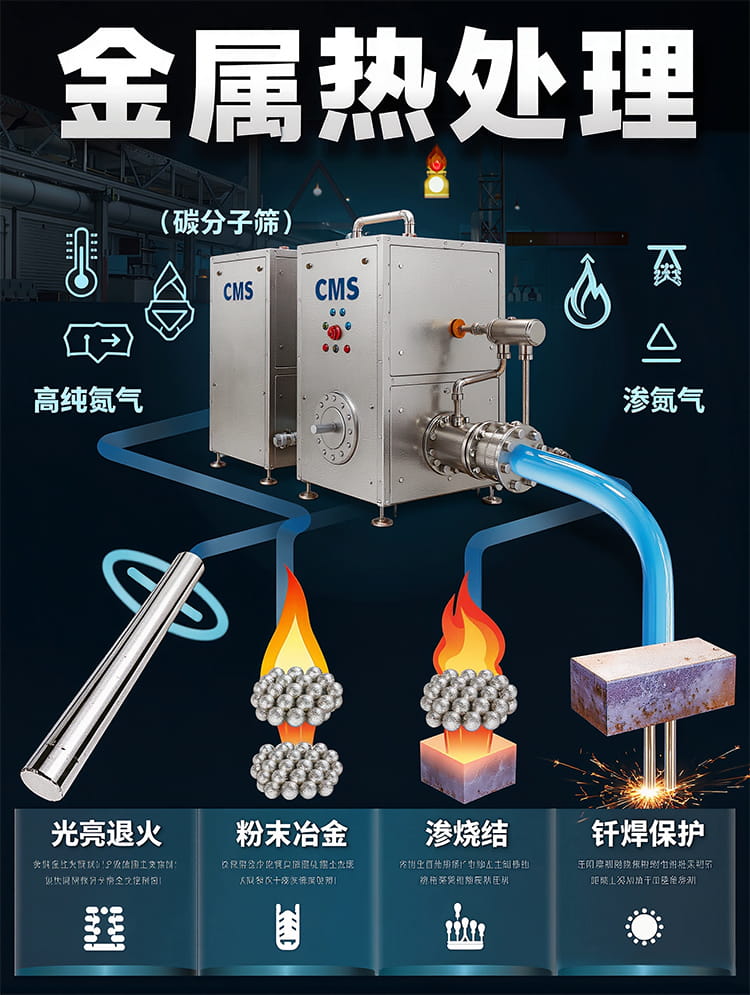
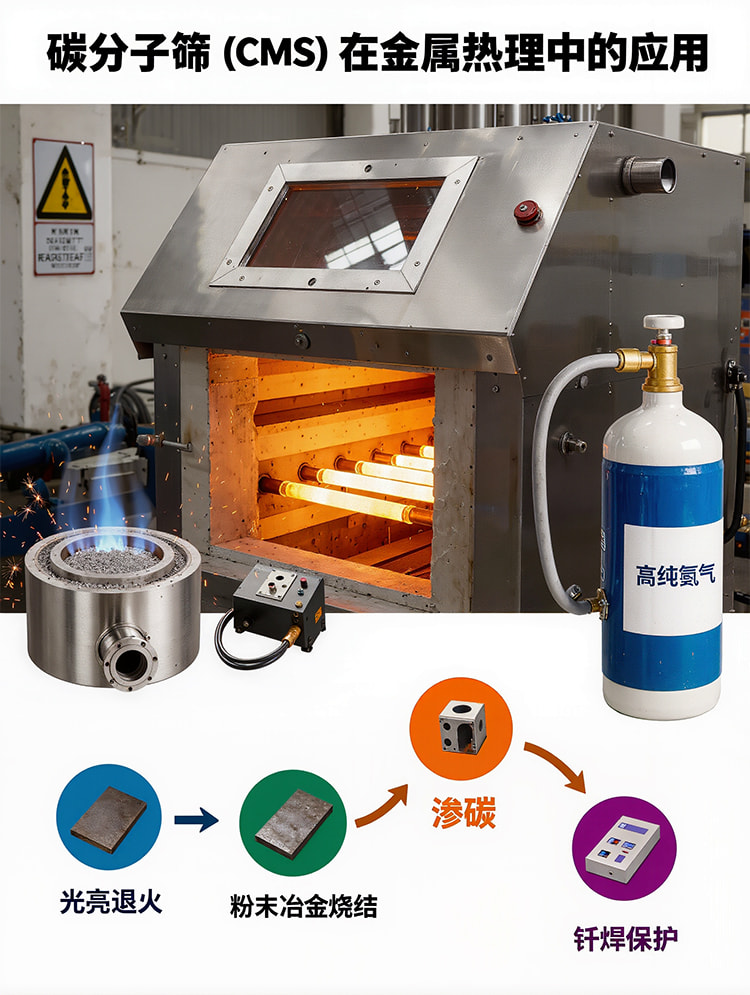
Bright annealing, powder metallurgy sintering, and carburizing—processes aimed at preventing oxidation and enhancing surface quality—commonly utilize nitrogen with a purity of 99.9% or higher. As an inert, non-oxidizing, non-decarburizing, colorless, and odorless gas, nitrogen serves as the most versatile protective atmosphere in heat treatment applications. Its core functions revolve around preventing oxidation and decarburization, and facilitating bright quenching.
These Benefits Can Be Categorized Into Six Key Areas
Bright Annealing / Bright Quenching (Most Common Application): When steel is heated to high temperatures, exposure to air causes rusting, oxidation, surface decarburization, and insufficient hardness. By introducing nitrogen to displace the air, workpieces emerge from the furnace with a bright, silvery-white finish, free of oxide scale. This completely eliminates surface decarburization while guaranteeing the required hardness and wear resistance. It is an essential process for the annealing of molds, bearing steels, stainless steels, and steel strips.
Carburizing and Carbonitriding Protection: Nitrogen is used to dilute the furnace atmosphere, thereby stabilizing the carbon potential and ensuring a uniform carburized layer. This results in consistent workpiece hardness, minimizes internal oxidation, and enhances the overall metallographic quality.
Tempering and Solution Treatment: For processes such as stainless steel solution treatment and high-temperature tempering, nitrogen purging prevents intergranular corrosion and stabilizes the metallurgical structure, ensuring the material remains free of discoloration or blackening.
Gas Quenching (Common in Vacuum Furnaces): Following vacuum heating, high-pressure nitrogen is rapidly introduced to facilitate rapid cooling. This method minimizes deformation, ensures uniform hardness, and serves as an effective alternative to oil quenching, leaving the workpieces clean and free of oil residue.
Furnace Purging and Atmosphere Displacement: During furnace startup, shutdown, or material loading/unloading, nitrogen is used to purge the air from the furnace chamber. This prevents explosions, protects workpieces from high-temperature oxidative damage, and—through the use of a nitrogen curtain at the furnace door—effectively seals the chamber against the ingress of ambient air.
Heat Treatment of Stainless Steel, Copper, and Aluminum: Since copper and aluminum are highly susceptible to oxidation and blackening at high temperatures, nitrogen protection is critical. This ensures that finished products possess a mirror-like bright finish, eliminating the need for subsequent acid pickling or mechanical polishing. Nitrogen provides high-temperature oxidation prevention, safeguards against decarburization during heating, controls deformation during gas cooling, and prevents combustion hazards within the furnace.
Common Purity Levels: For general heat treatment applications, 99.9% purity is typically used; for precision molds and stainless steel, 99.99% high-purity nitrogen is recommended.
Metal Heat Treatment Carbon Molecular Sieve
Application
ABOUT ZHUOXU
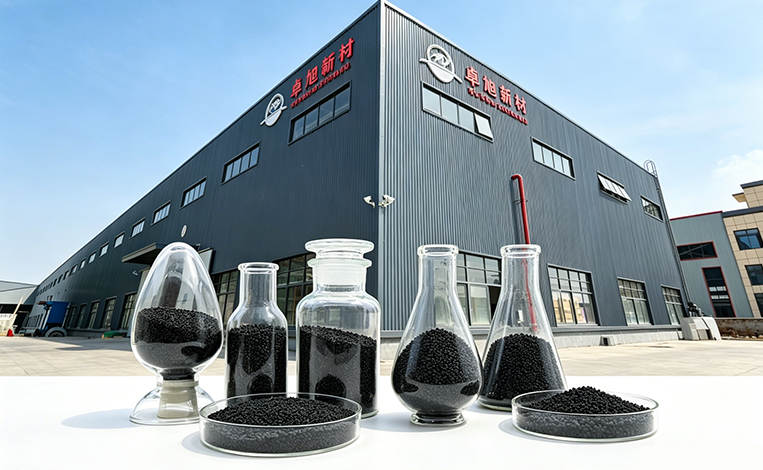
The company owns 21 core patents and ISO9001 certification, forming a closed-loop industrial chain covering porous carbon materials and nitrogen equipment services.
Our proprietary Resin-based Porous Carbon (RHC) technology takes polymer resin as the precursor and forms a highly stable hard carbon structure through high-temperature carbonization, enjoying irreplaceable advantages in sodium-ion batteries and supercapacitors. Carbon Molecular Sieve for Metal Heat Treatment. Our products are sold nationwide and exported to Asia, South America, the Middle East and Southeast Asia. Through in-depth technical cooperation with universities and listed enterprises, we continuously promote the iterative upgrading of new energy materials and gas separation technologies.
NEWS & EVENTS
who we are

 E-mail
anhuilisa@126.com
E-mail
anhuilisa@126.com
 Phone
+86 18603224420
Phone
+86 18603224420
 Address
No. 26 Kunshan Road, Xuanzhou Economic Development Zone, Liqiao Town, Xuanzhou District, Xuancheng City, Anhui Province, P.R.China
Address
No. 26 Kunshan Road, Xuanzhou Economic Development Zone, Liqiao Town, Xuanzhou District, Xuancheng City, Anhui Province, P.R.China
Products
Application
About
Copyright Anhui Zhuoxu New Material Technology Co., Ltd. All rights reserved.
 Metal Heat Treatment Industry Carbon Molecular Sieve Manufacturers