
 English
 中文简体
中文简体 русский
 Français
 Español
 عربى
عربى CONTACT US


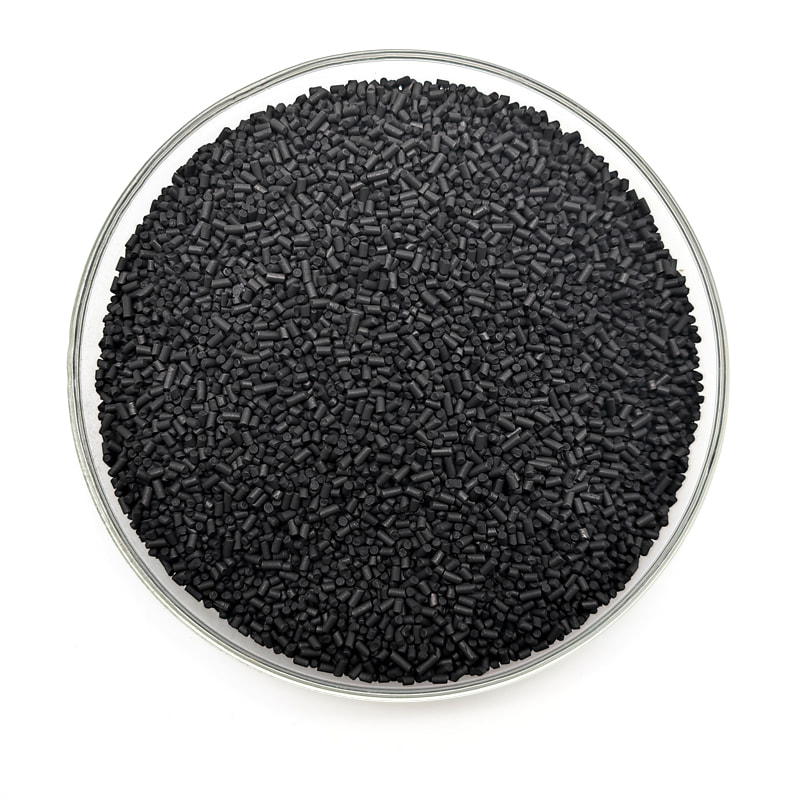
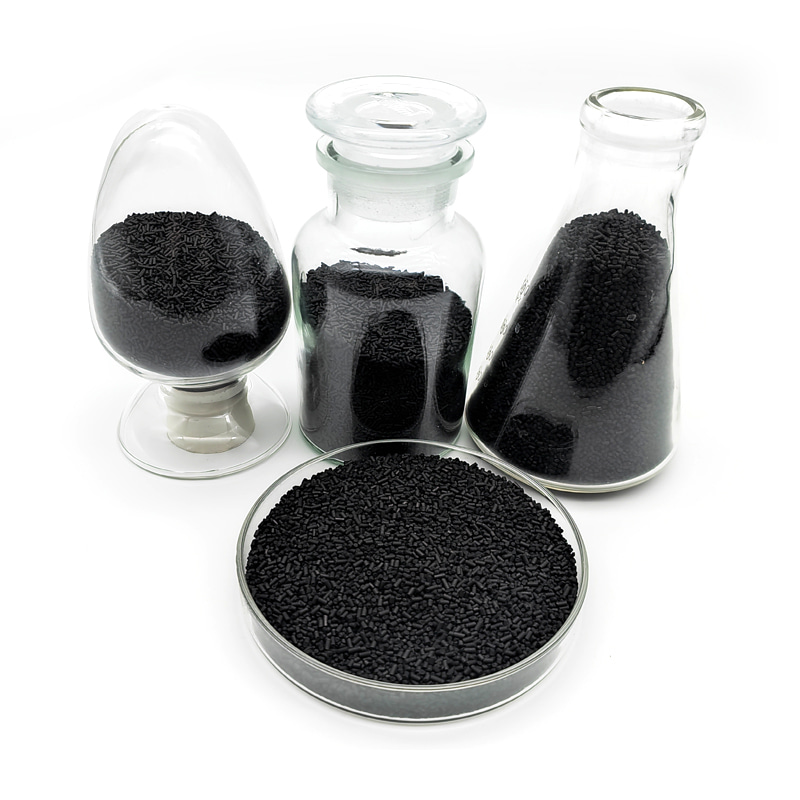
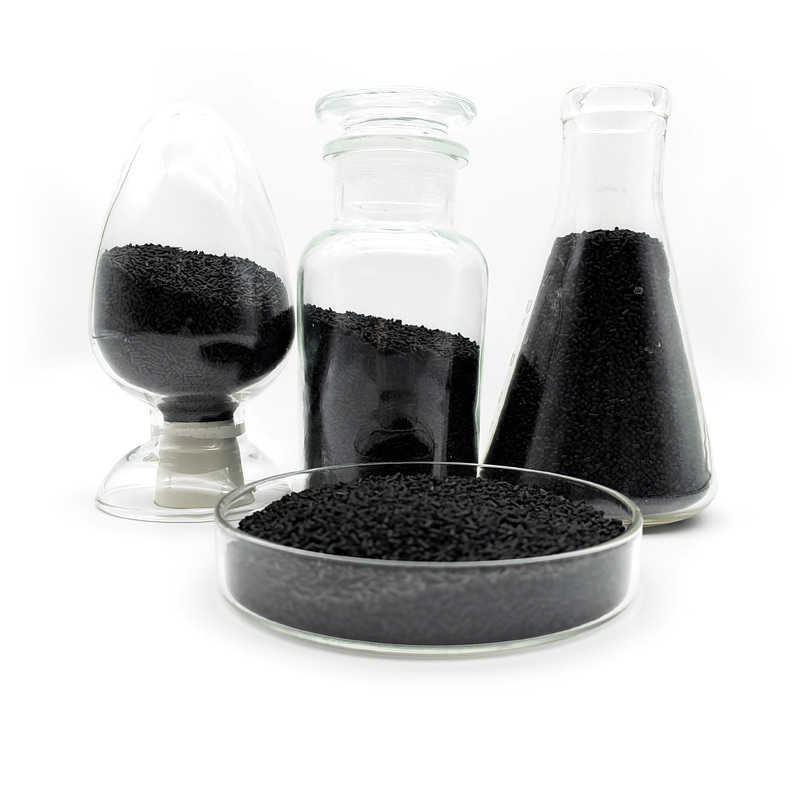
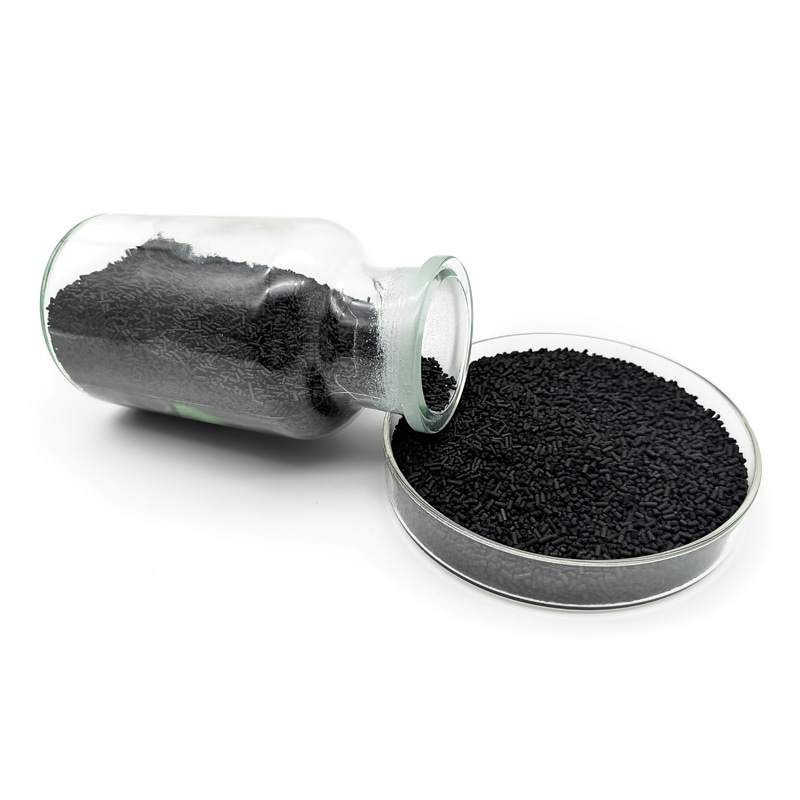
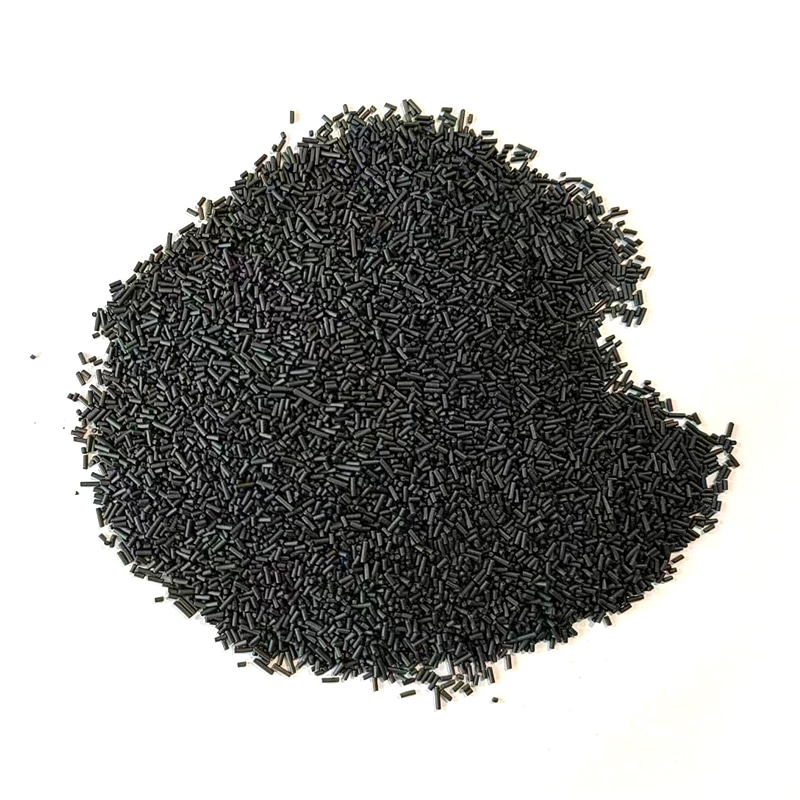

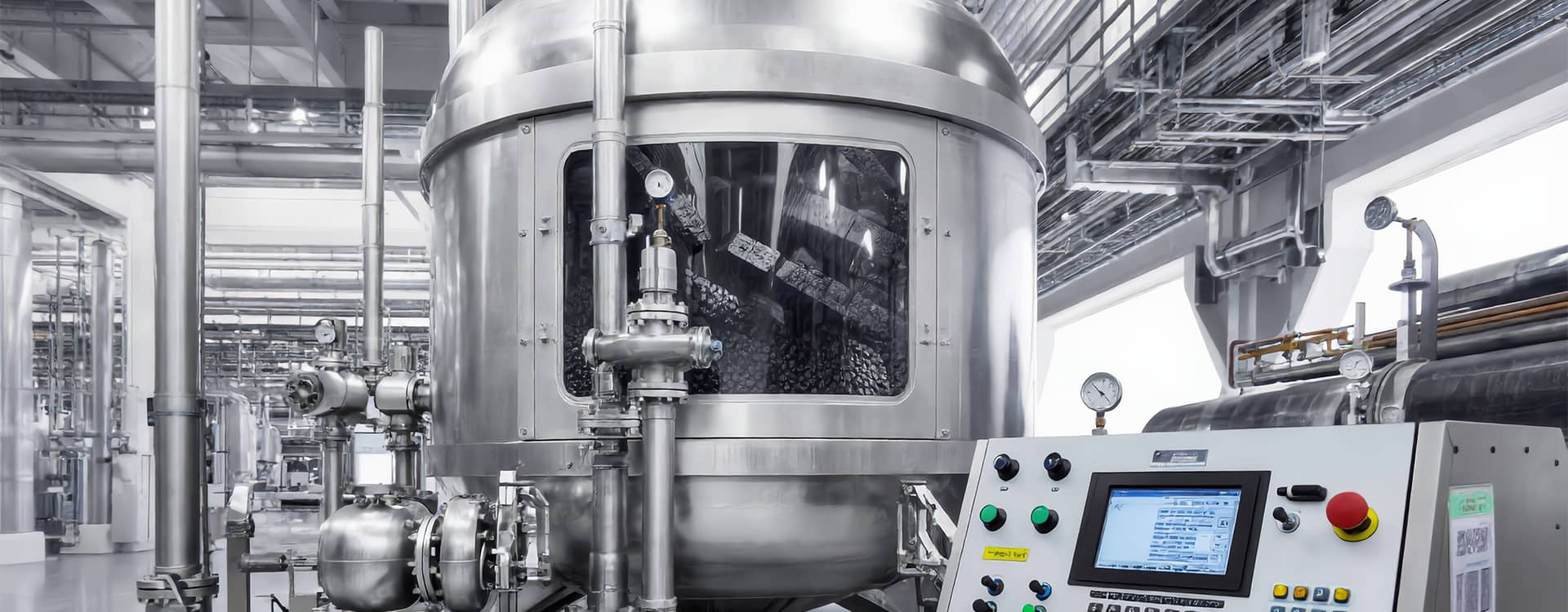
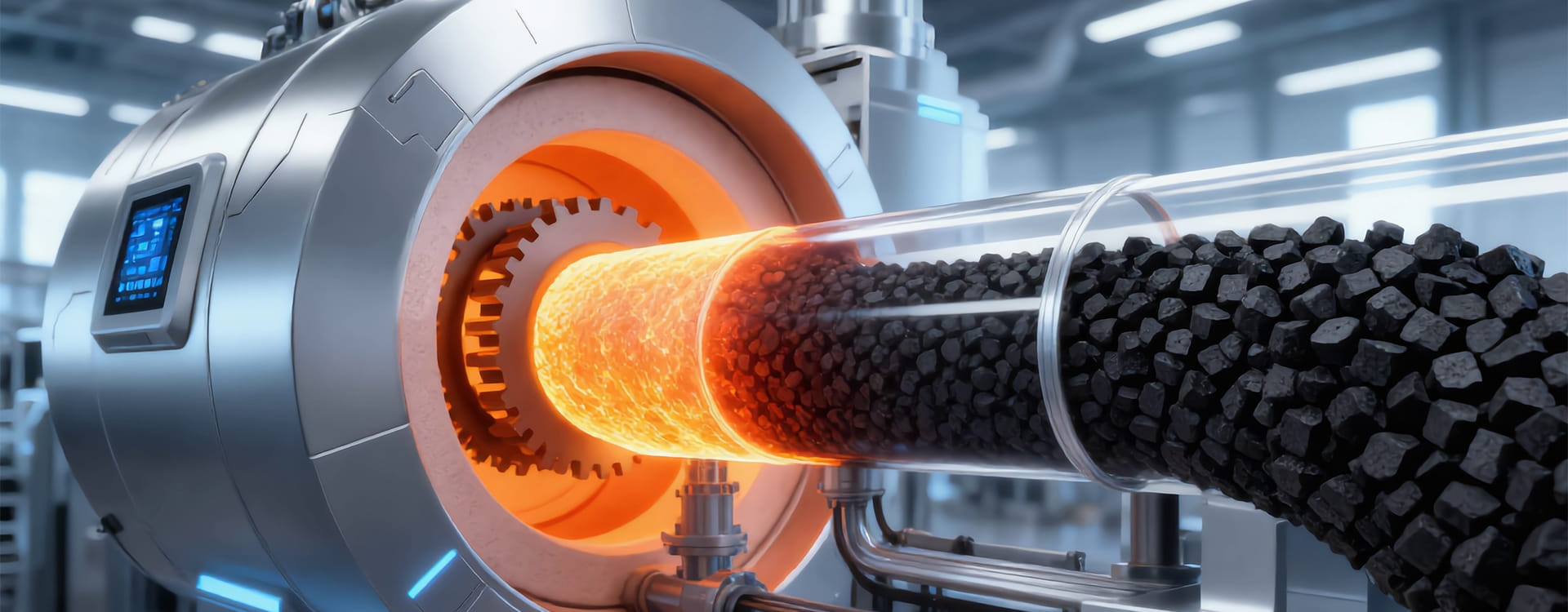
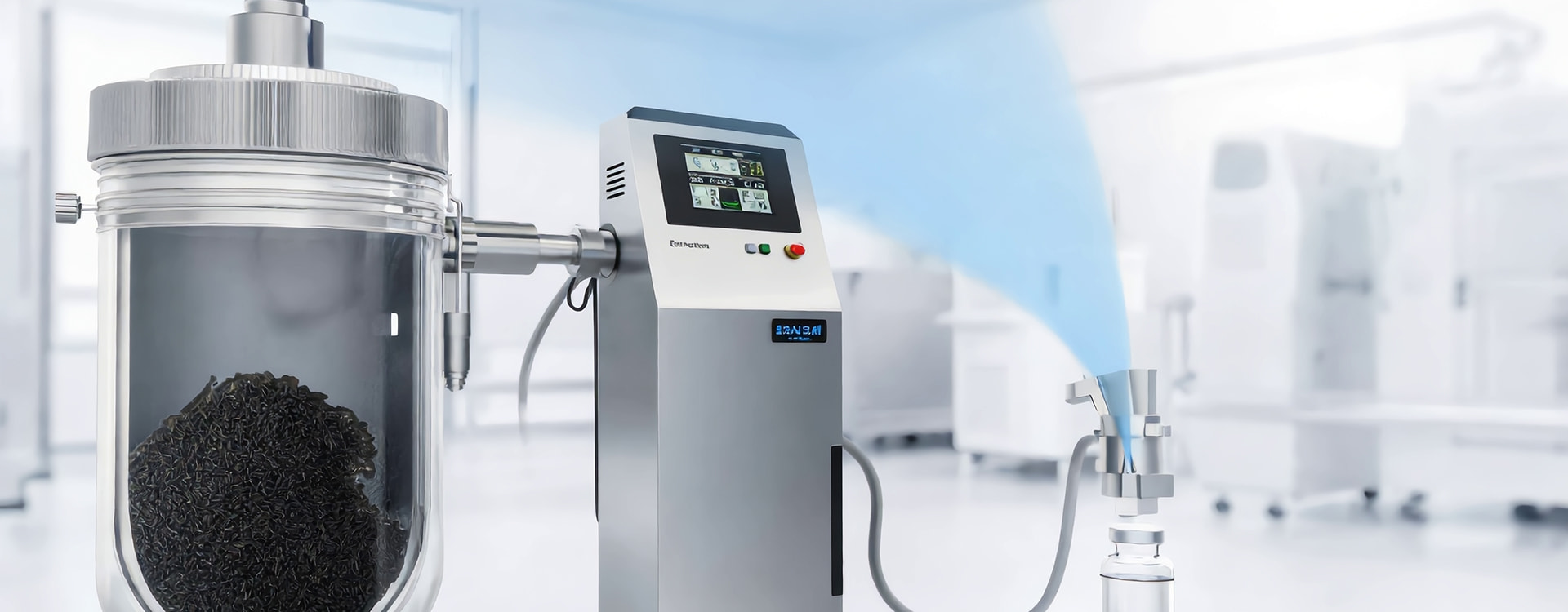
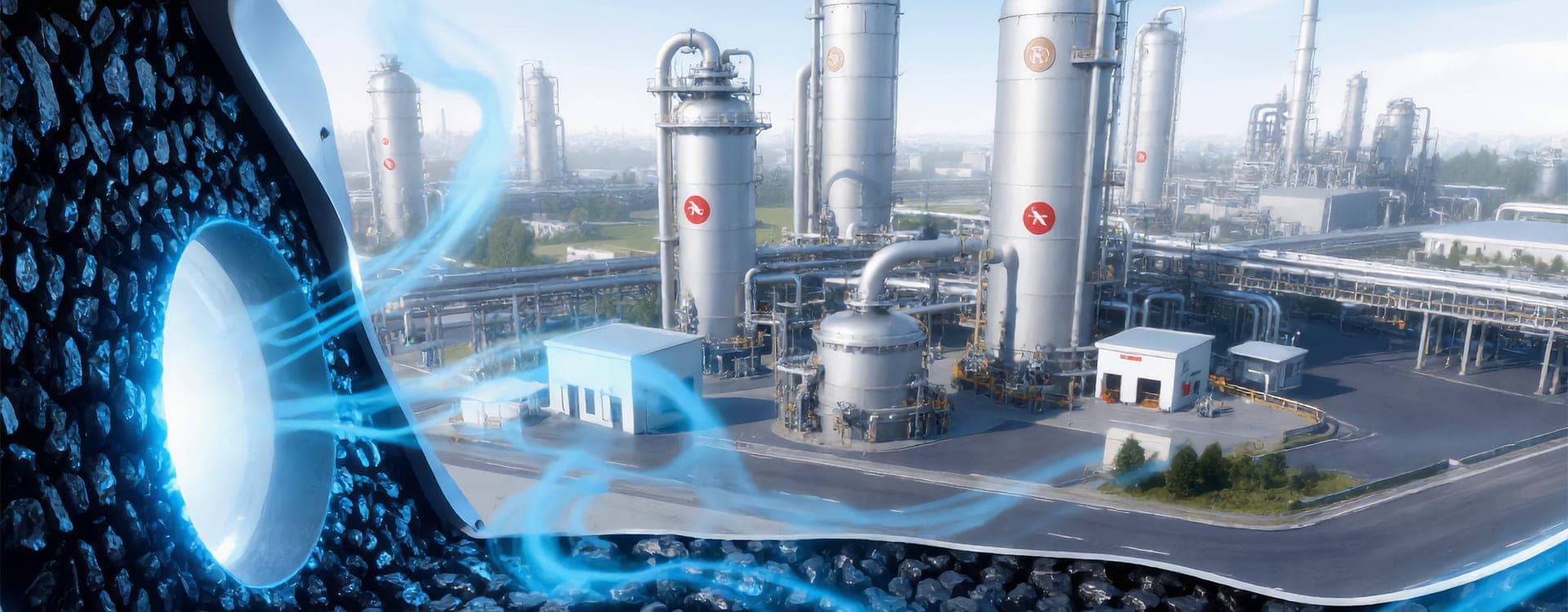
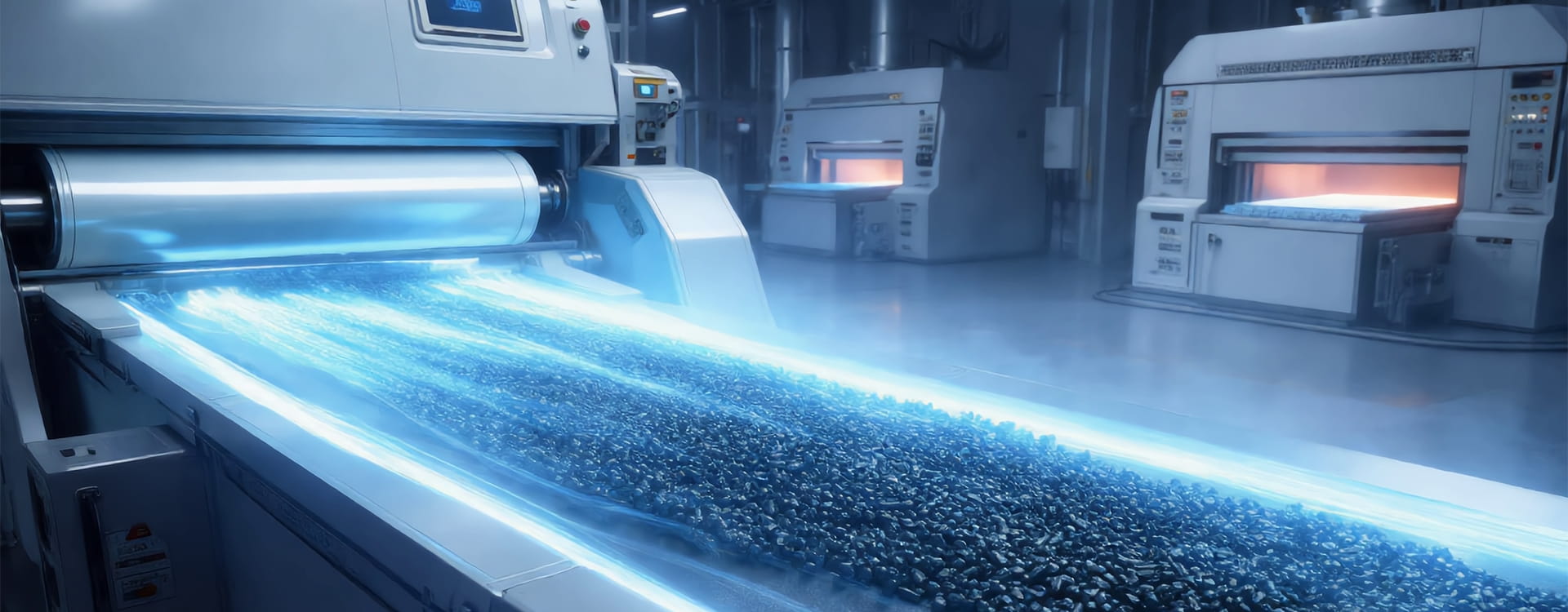
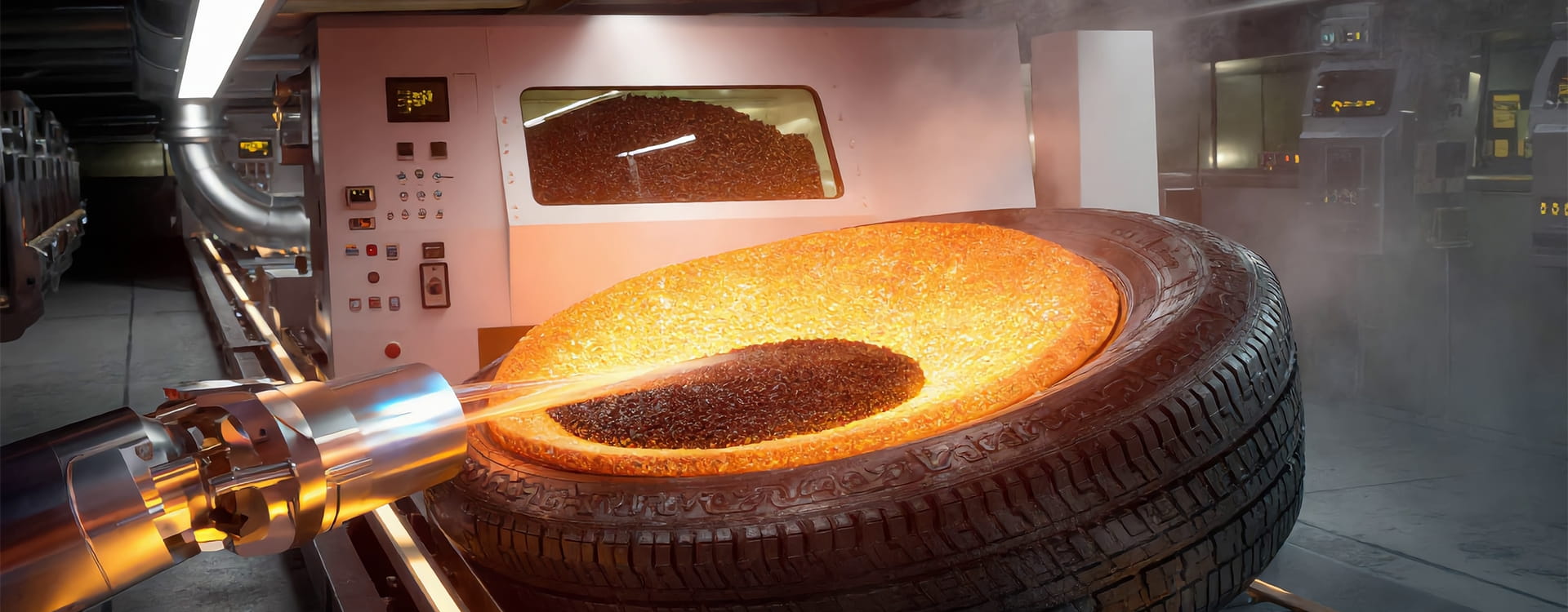
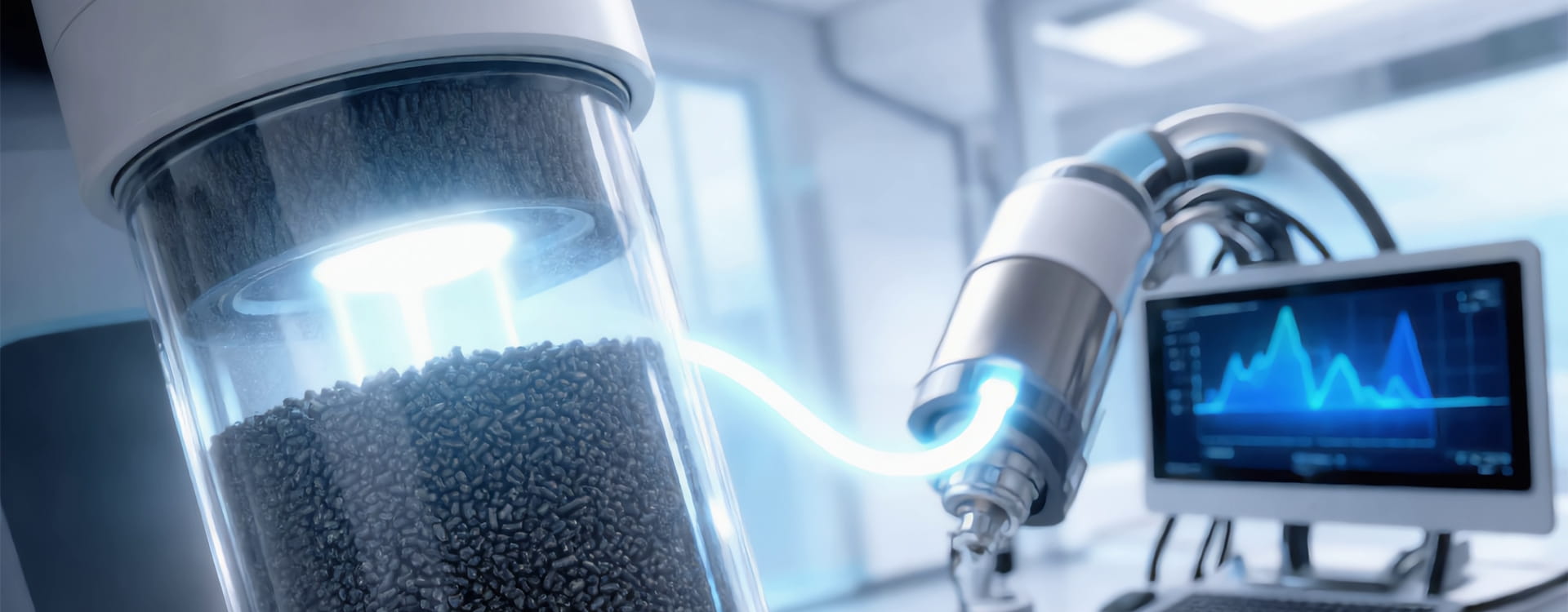
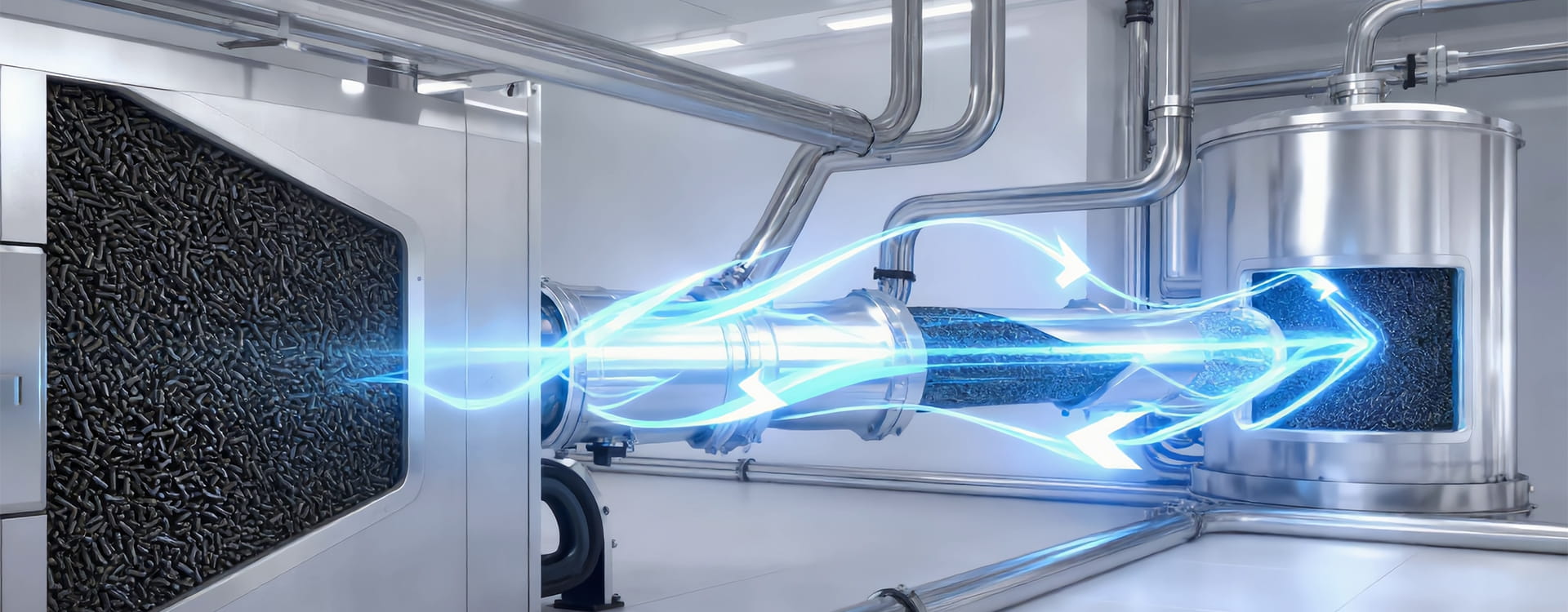
Anhui Zhuoxu New Material Technology Co., Ltd. a wholly-owned subsidiary of Huiya Group, is located in Xuancheng, Anhui Province. With a Phase I investment of 65.86 million yuan, it has built a production base with an annual output of 4,000 tons of porous carbon materials and 30,000 cubic meters of floral foam, serving the air separation and floral substrate industries.
The Phase II 3,000-ton porous carbon project, with an investment of 26.96 million yuan, is scheduled to be put into operation in 2026, focusing on breakthroughs in silicon-carbon anode materials for new energy batteries and PSA pressure swing adsorption applications. supply Carbon Molecular Sieve for Food & Beverages
Food & Beverages

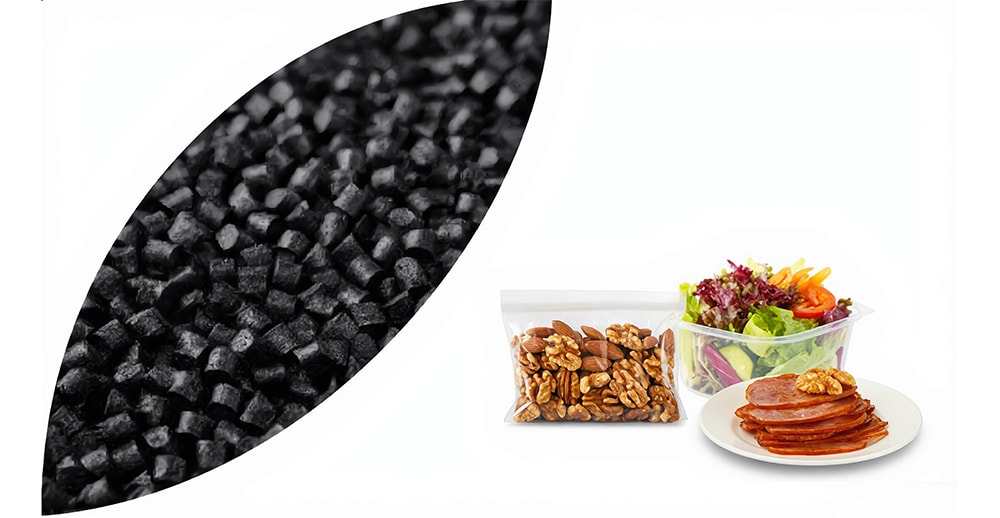
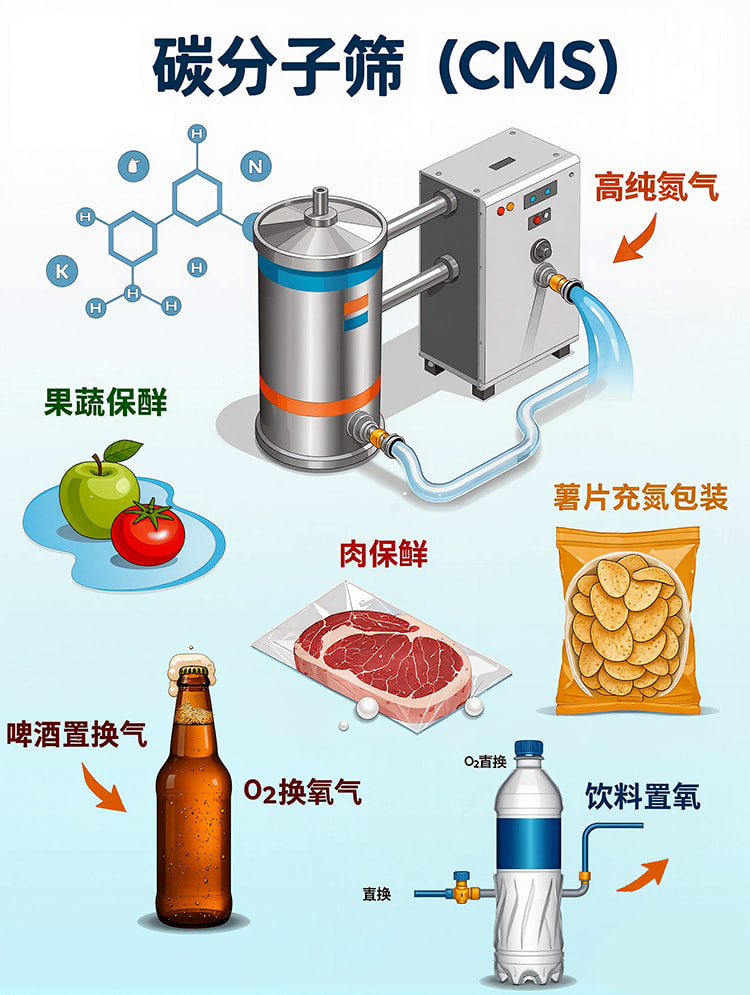
Modified Atmosphere Packaging (MAP) for fruits, vegetables, and meats; nitrogen-flushed packaging for potato chips and coffee; and oxygen displacement for beer and beverages—all designed to extend shelf life, typically utilizing nitrogen with a purity of 95% to 99%.
These applications can be categorized into five key areas
Preservation and Displacement: The Core of Modified Atmosphere Packaging (MAP)
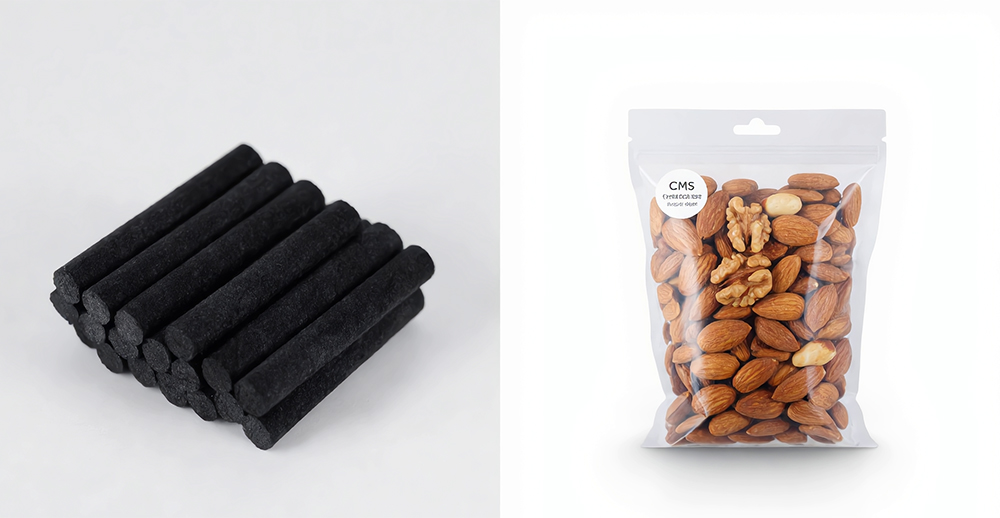
This represents the most widespread application of nitrogen within the food industry, particularly for packaged items found in supermarkets such as ready-to-eat meals, deli meats, and nuts.
- Principle: The air (primarily oxygen and moisture) inside the packaging is evacuated and replaced with high-purity nitrogen.
- Functions: Anti-oxidation: Prevents the oxidative rancidity of fats and oils, and inhibits pigment degradation (e.g., preventing cooked meats from turning brown).
- Bacterial Inhibition: An oxygen-depleted environment suppresses the growth of most aerobic bacteria (such as E. coli and molds).
- Shape Retention: Prevents packaging collapse, preserves the physical integrity of the food product, and provides cushioning to prevent breakage.
- Typical Scenarios: Fresh pre-washed produce, braised deli meats, baked goods, and whole nuts.
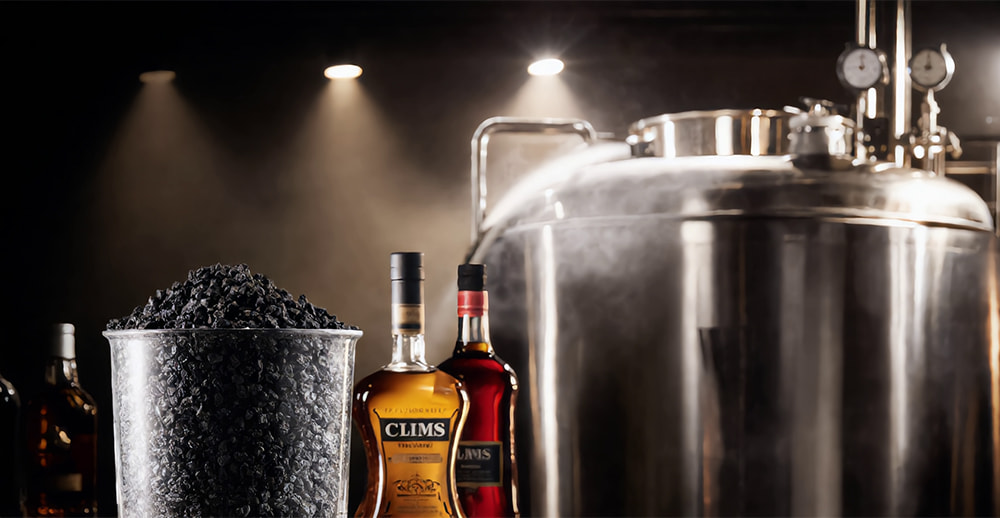
Spirits and Wine:
Oxygen Displacement and Aging
Principle: This application leverages nitrogen's properties—specifically, its inertness and its higher density compared to air—to physically "displace" and purge oxygen.
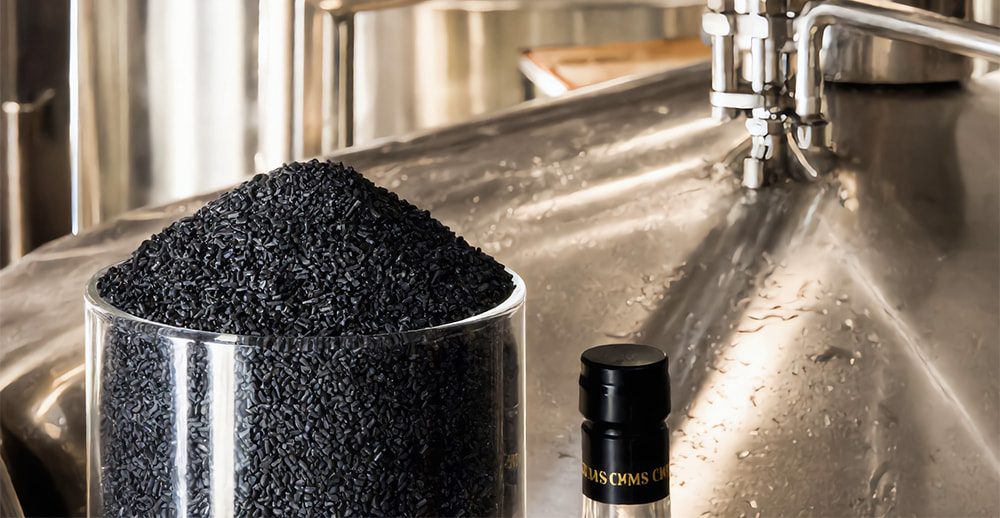
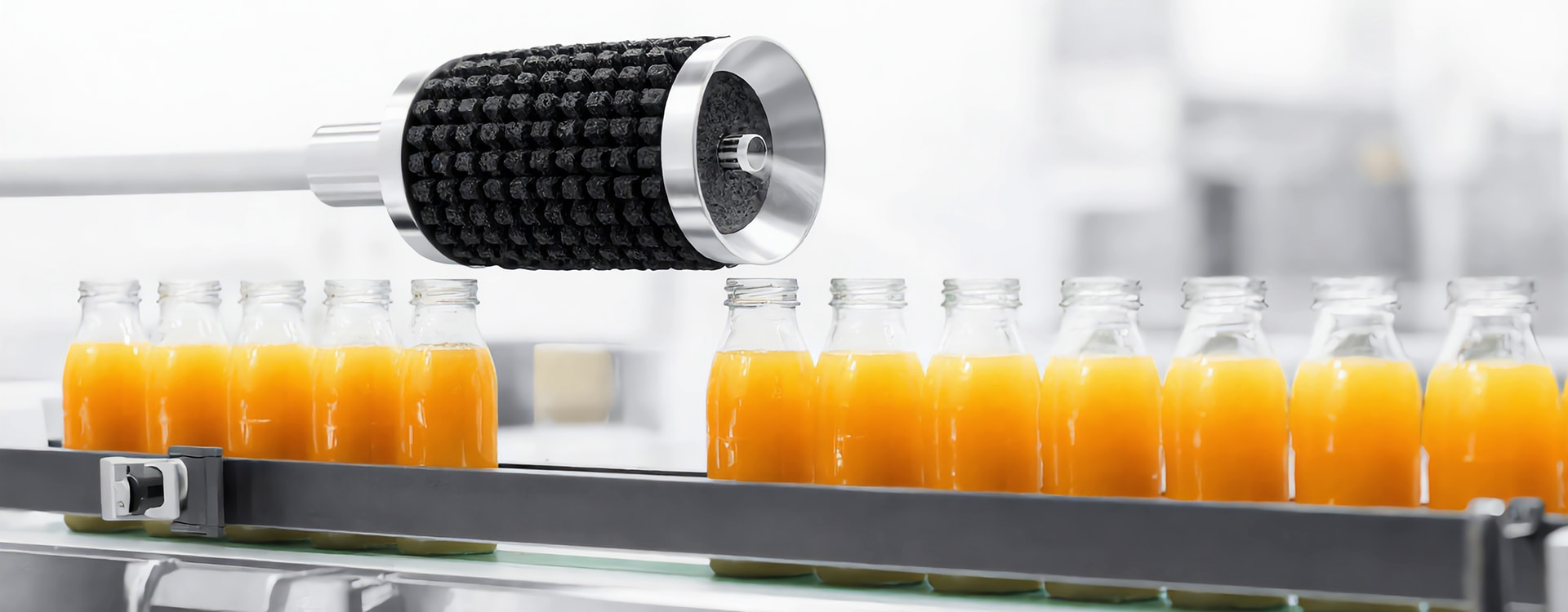
Bottling Protection: During the bottling of beer, spirits, and wine, nitrogen is used to purge the headspace (the air pocket above the liquid) within the bottle, preventing the liquid from coming into contact with air and subsequently spoiling.
Aging and Storage: Large storage tanks or aging barrels are filled with nitrogen to create a "gas cushion" that isolates the liquid from the air; this allows the beverage to mature slowly in a static state, thereby avoiding the development of oxidative off-flavors.
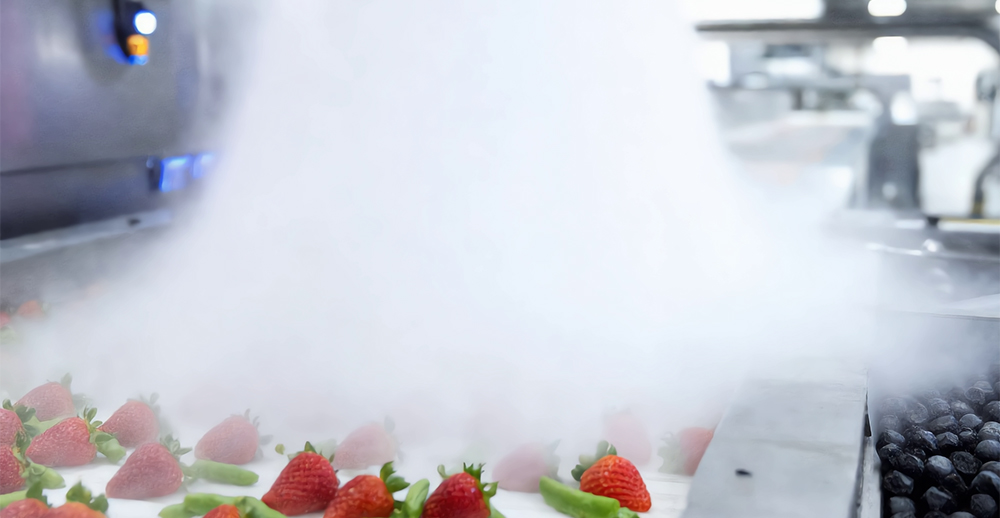
The Quick-Freezing and Frozen Food Industry
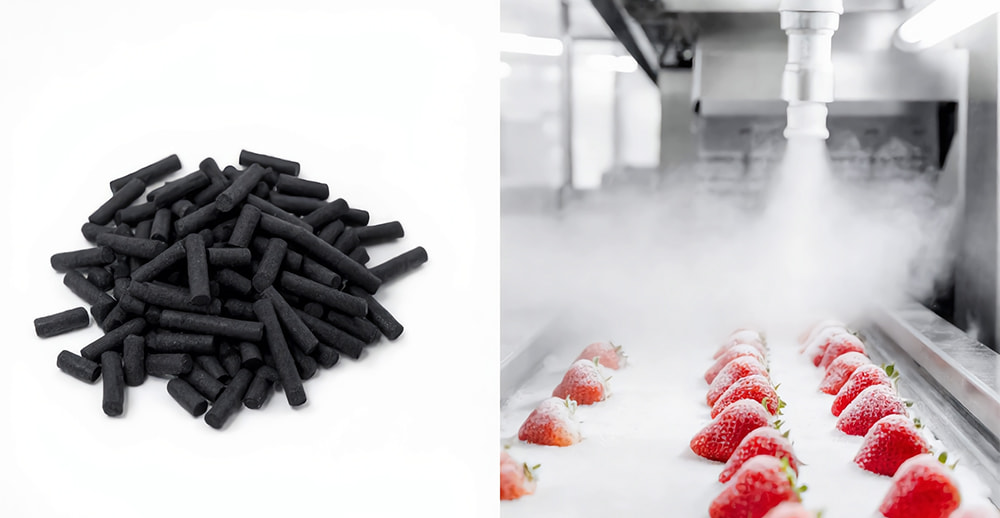
Liquid nitrogen—a form of nitrogen commonly used in the food industry—serves as a source for this application. It utilizes its ultra-low-temperature properties to instantly freeze food ingredients, thereby locking in nutrients and preserving texture.
Airflow Purging: In freezing facilities, a stream of nitrogen gas is used to rapidly carry away surface moisture and heat from packaged products, accelerating the freezing and shaping process.
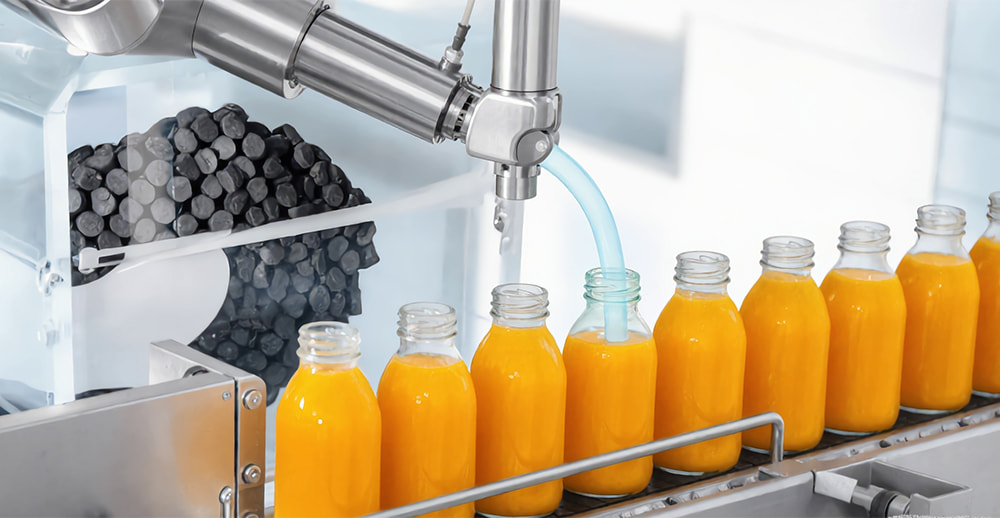
Beverage Filling: Principles of Deoxygenation and Explosion Prevention: Replacing the air in the headspace of the beverage container.
Deoxygenation: During the filling of fruit juices and tea beverages, nitrogen gas displaces dissolved oxygen within the liquid, thereby preventing the oxidative degradation of nutrients—such as Vitamin C—and extending shelf life.
Safety: On filling lines for certain beverages containing volatile solvents, nitrogen gas serves to dilute the concentration of flammable vapors, thereby mitigating the risk of explosion.
Grain Storage: Principles of Granary Protection: Nitrogen-purging grain silos to reduce oxygen levels constitutes a method of "physical pest control." By introducing high-concentration nitrogen gas into the silo, the oxygen content is reduced to an extremely low level; consequently, insects and mold are suffocated and killed due to oxygen deprivation. This method serves as a safer and more environmentally friendly alternative to chemical fumigants.
Carbon Molecular Sieve for Food & Beverage Industry
Application
ABOUT ZHUOXU
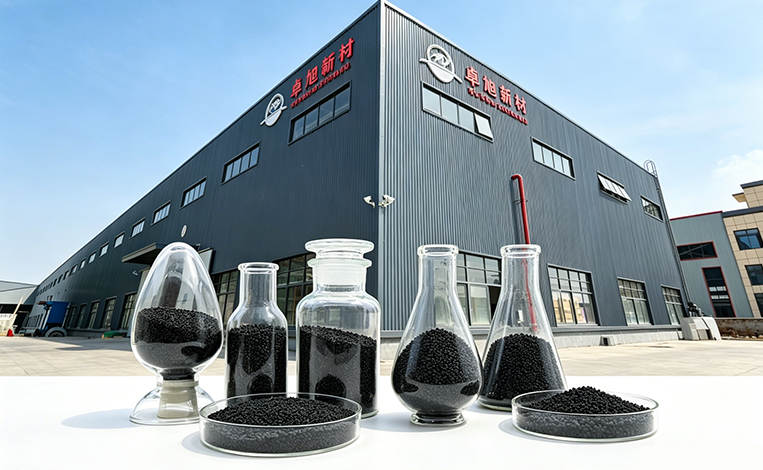
The company owns 21 core patents and ISO9001 certification, forming a closed-loop industrial chain covering porous carbon materials and nitrogen equipment services.
Our proprietary Resin-based Porous Carbon (RHC) technology takes polymer resin as the precursor and forms a highly stable hard carbon structure through high-temperature carbonization, enjoying irreplaceable advantages in sodium-ion batteries and supercapacitors. Food & Beverage Packaging Industry Carbon Molecular Sieve Manufacturers. Our products are sold nationwide and exported to Asia, South America, the Middle East and Southeast Asia. Through in-depth technical cooperation with universities and listed enterprises, we continuously promote the iterative upgrading of new energy materials and gas separation technologies.
NEWS & EVENTS
who we are

 E-mail
anhuilisa@126.com
E-mail
anhuilisa@126.com
 Phone
+86 18603224420
Phone
+86 18603224420
 Address
No. 26 Kunshan Road, Xuanzhou Economic Development Zone, Liqiao Town, Xuanzhou District, Xuancheng City, Anhui Province, P.R.China
Address
No. 26 Kunshan Road, Xuanzhou Economic Development Zone, Liqiao Town, Xuanzhou District, Xuancheng City, Anhui Province, P.R.China
Products
Application
About
Copyright Anhui Zhuoxu New Material Technology Co., Ltd. All rights reserved.
 Food & Beverages Industry Carbon Molecular Sieve Manufacturers