
 English
 中文简体
中文简体 русский
 Français
 Español
 عربى
عربى CONTACT US


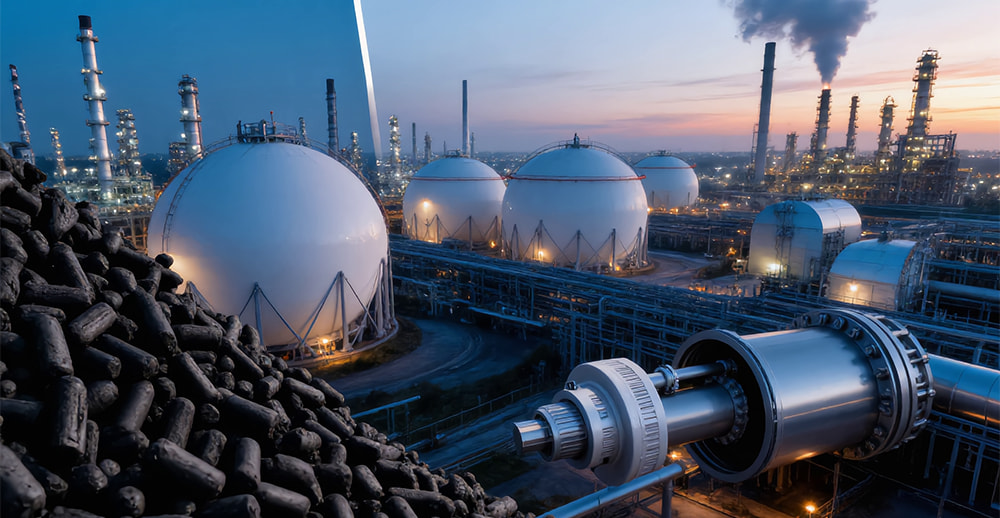
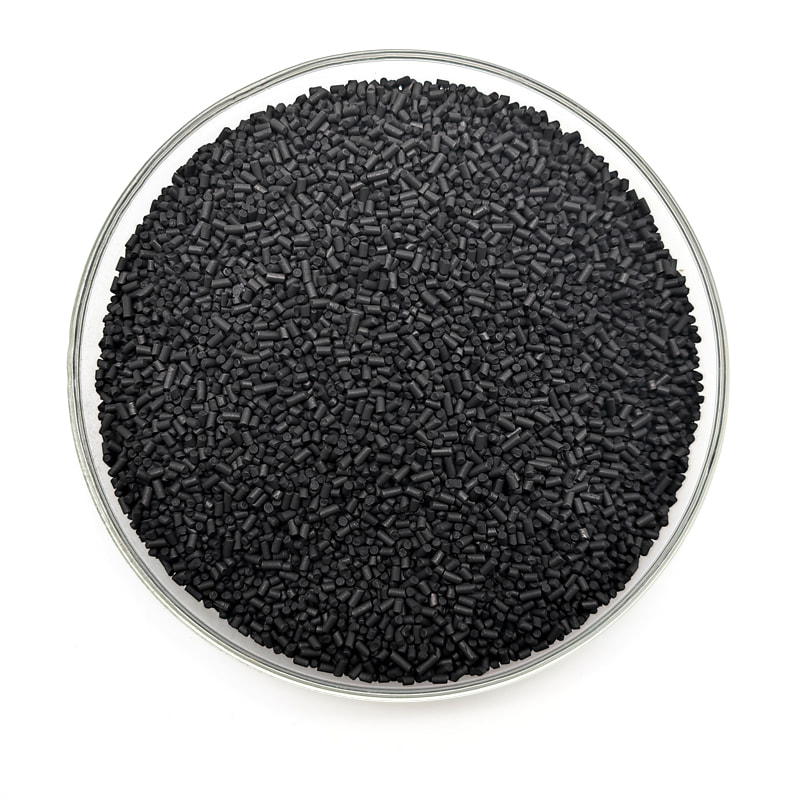
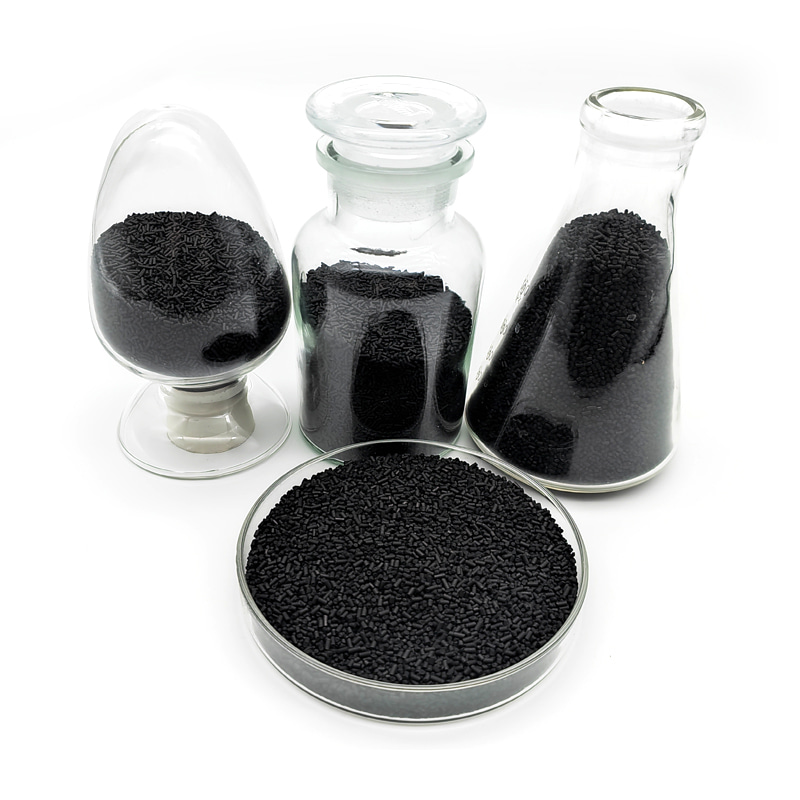
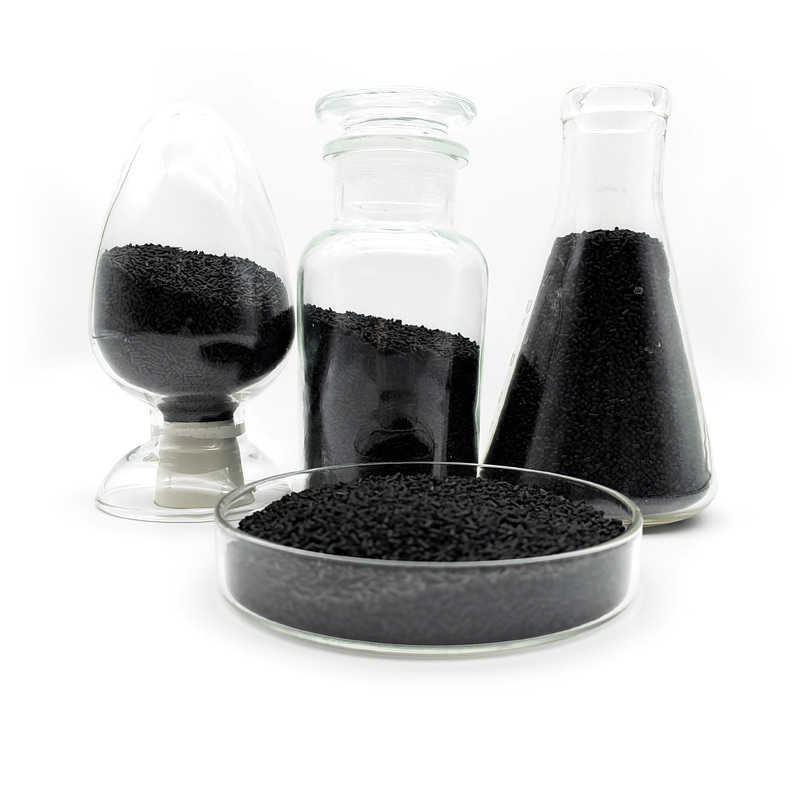
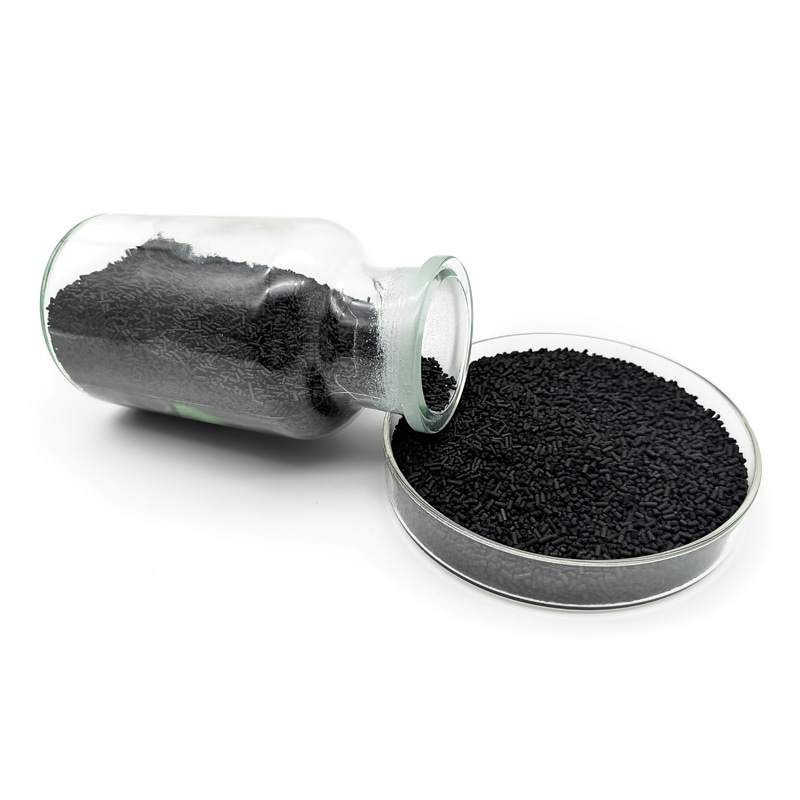
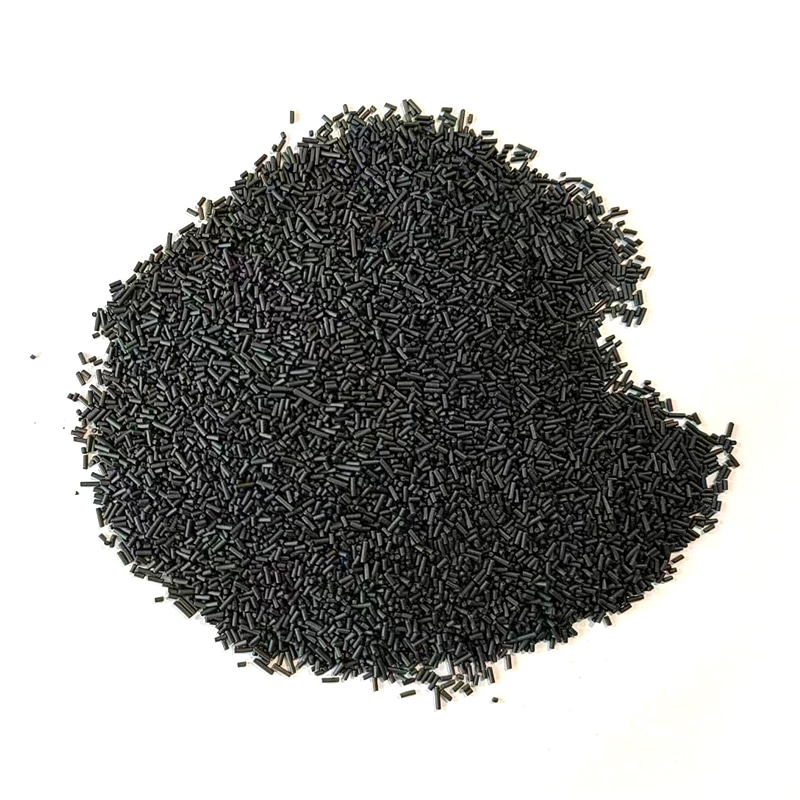

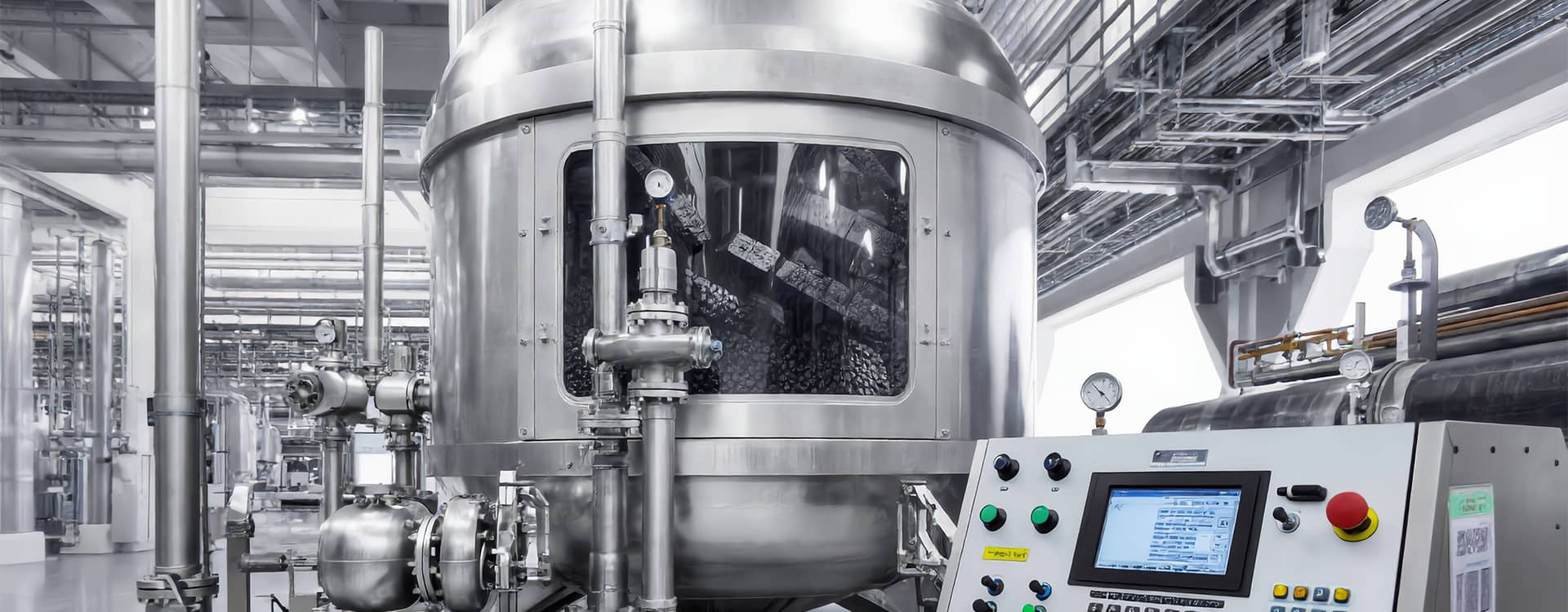
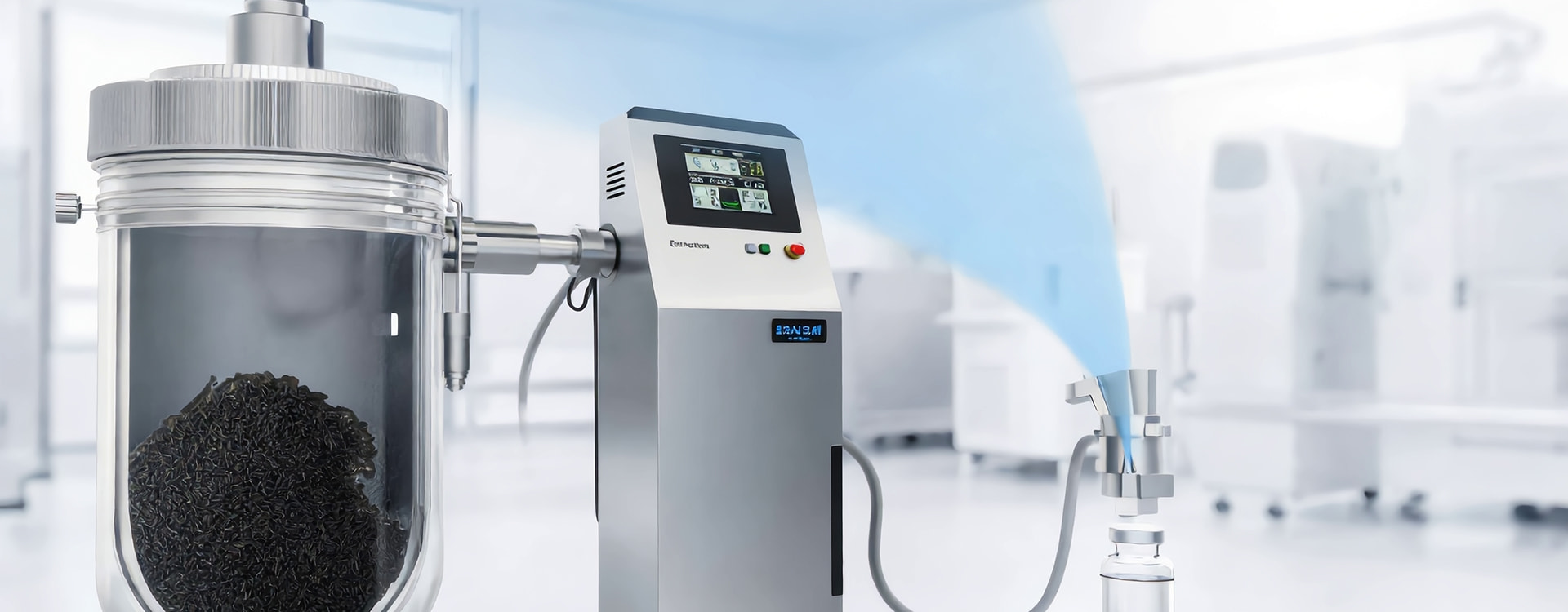
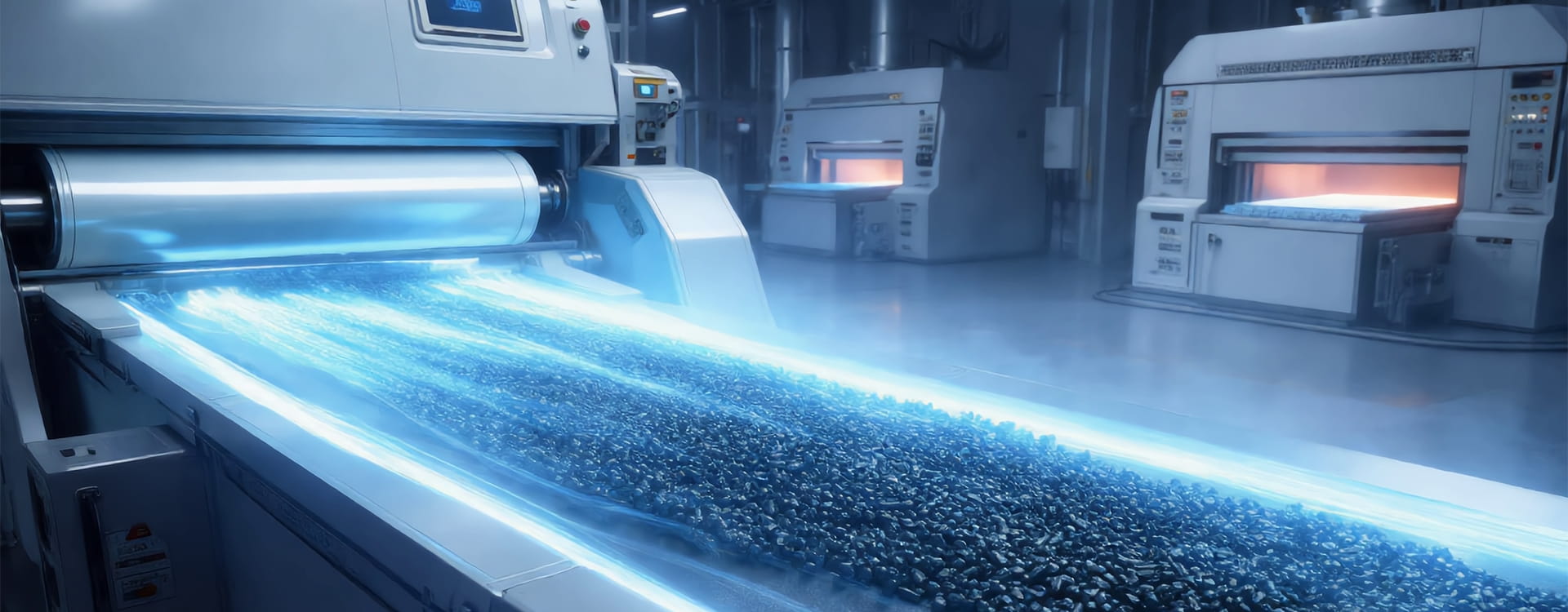
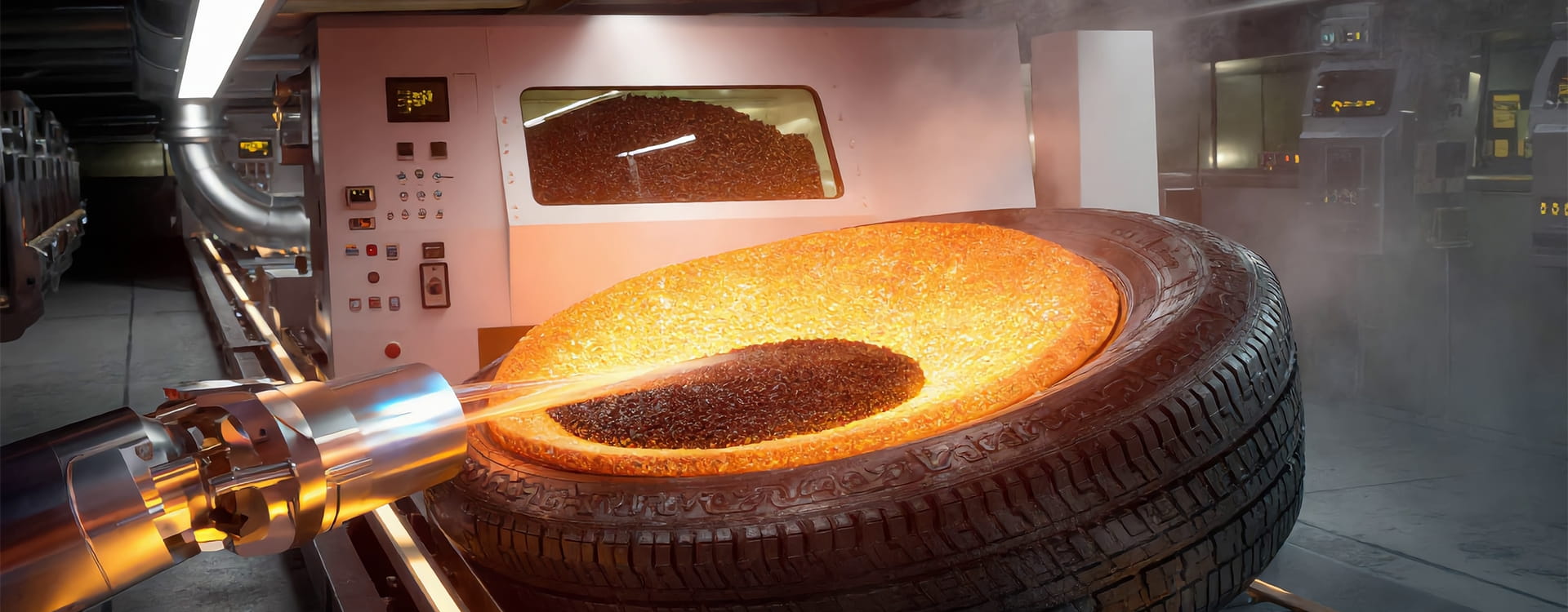
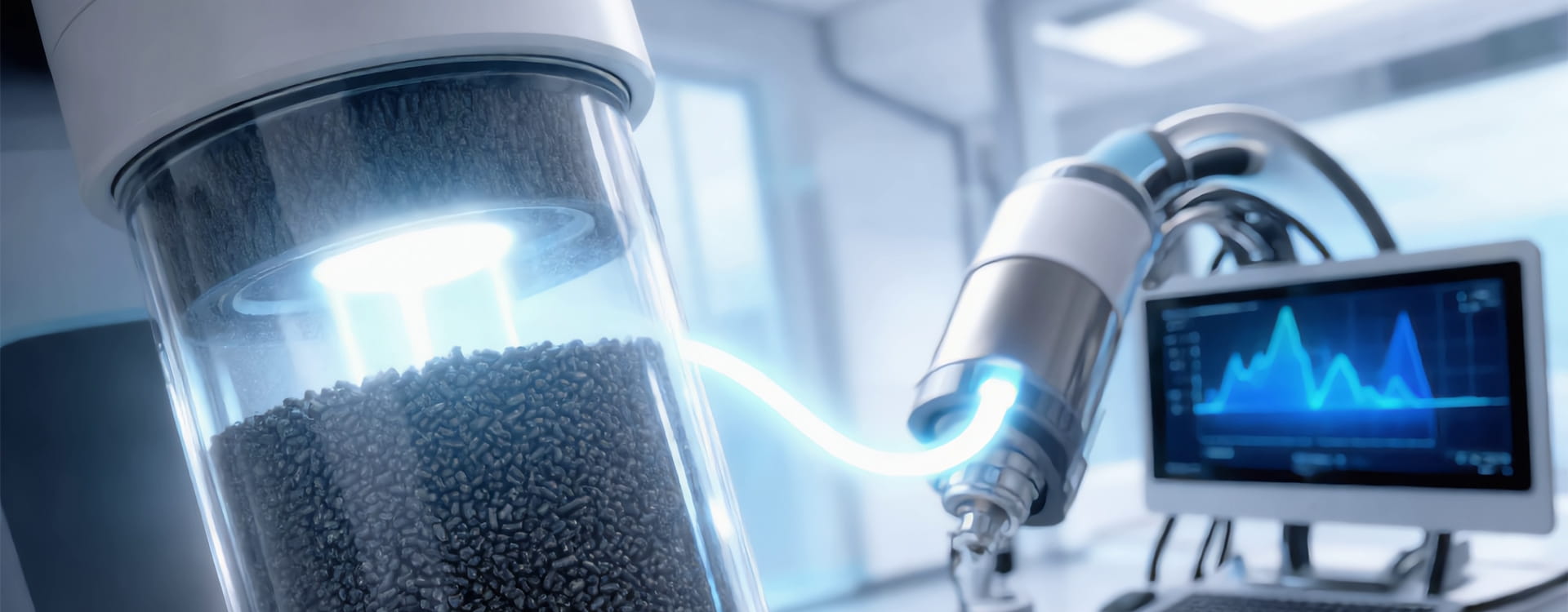
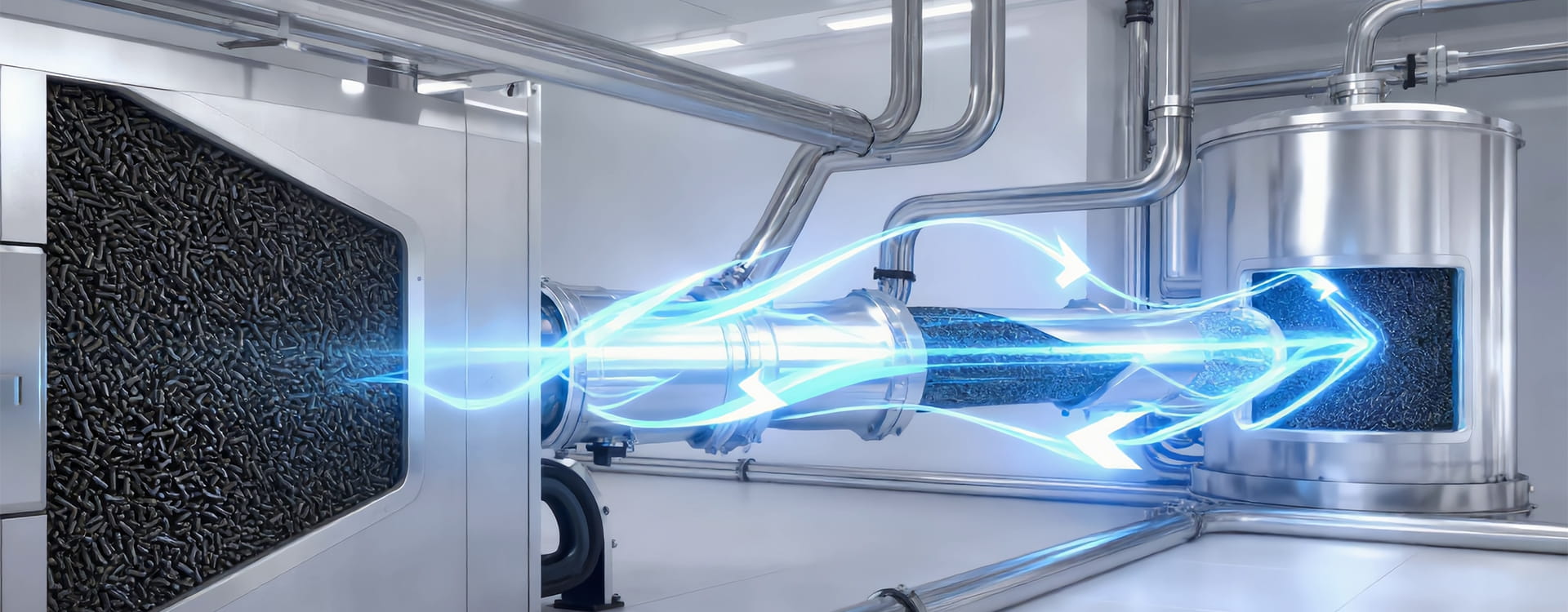
Anhui Zhuoxu New Material Technology Co., Ltd. a wholly-owned subsidiary of Huiya Group, is located in Xuancheng, Anhui Province. With a Phase I investment of 65.86 million yuan, it has built a production base with an annual output of 4,000 tons of porous carbon materials and 30,000 cubic meters of floral foam, serving the air separation and floral substrate industries.
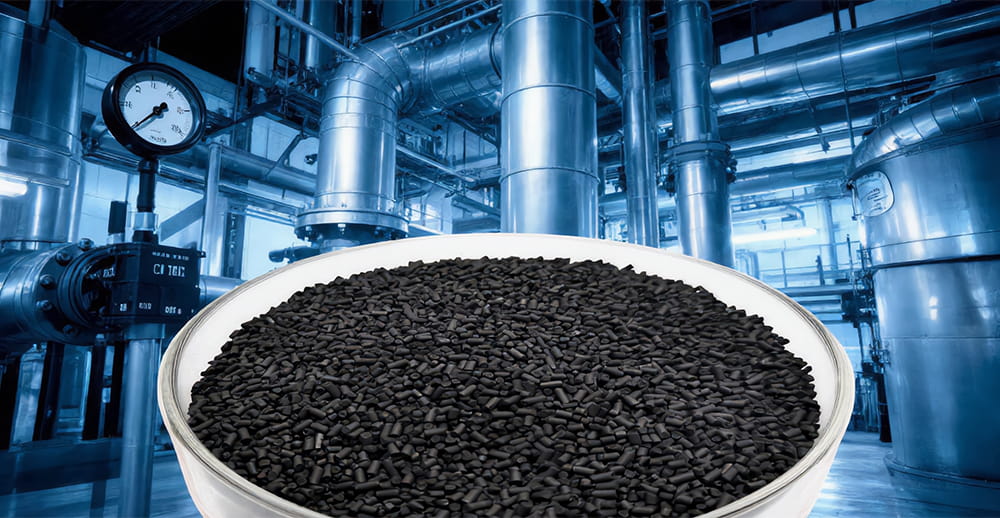
The Phase II 3,000-ton porous carbon project, with an investment of 26.96 million yuan, is scheduled to be put into operation in 2026, focusing on breakthroughs in silicon-carbon anode materials for new energy batteries and PSA pressure swing adsorption applications. supply Carbon Molecular Sieve for Petrochemical Industry
Petrochemical Industry

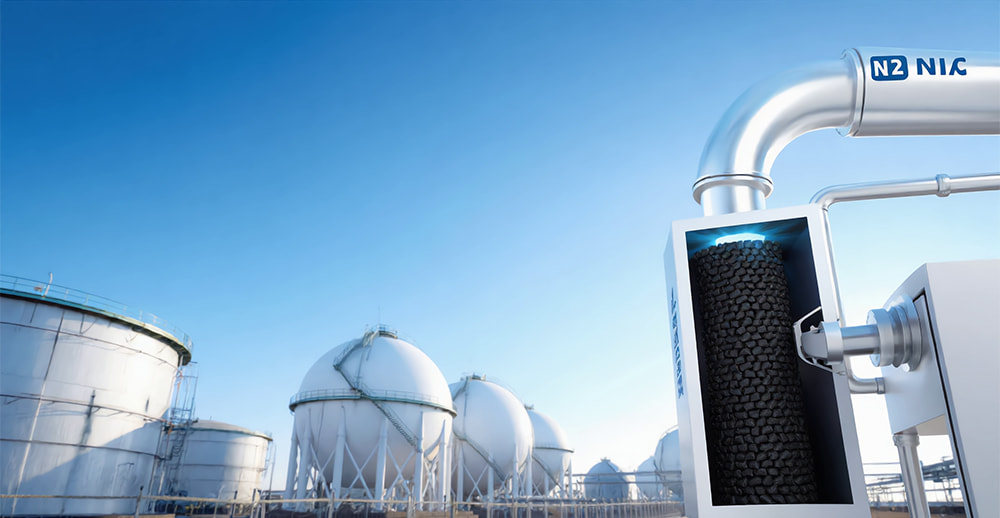
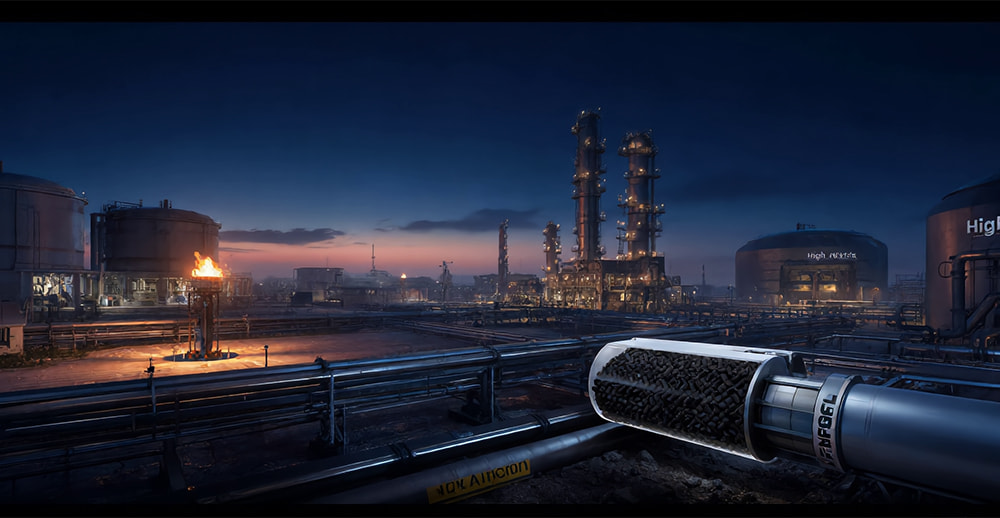
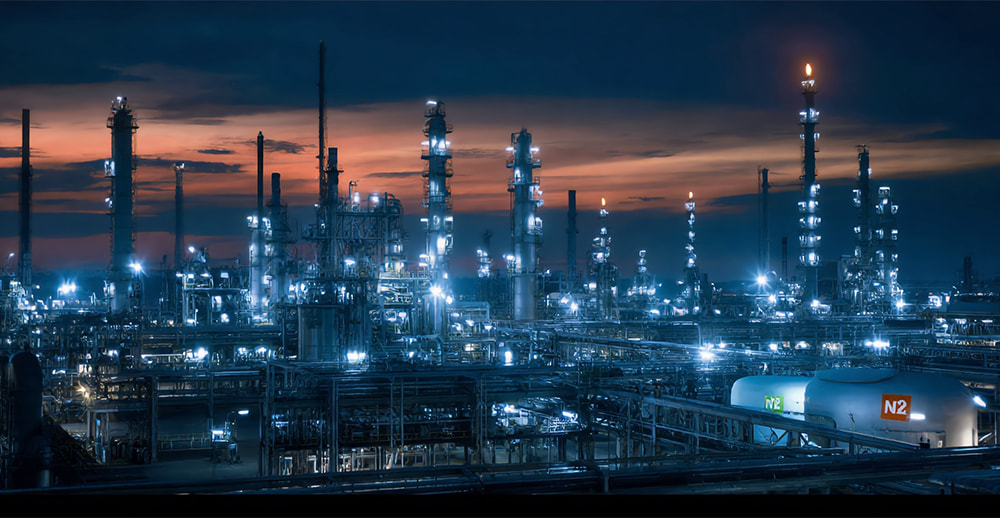
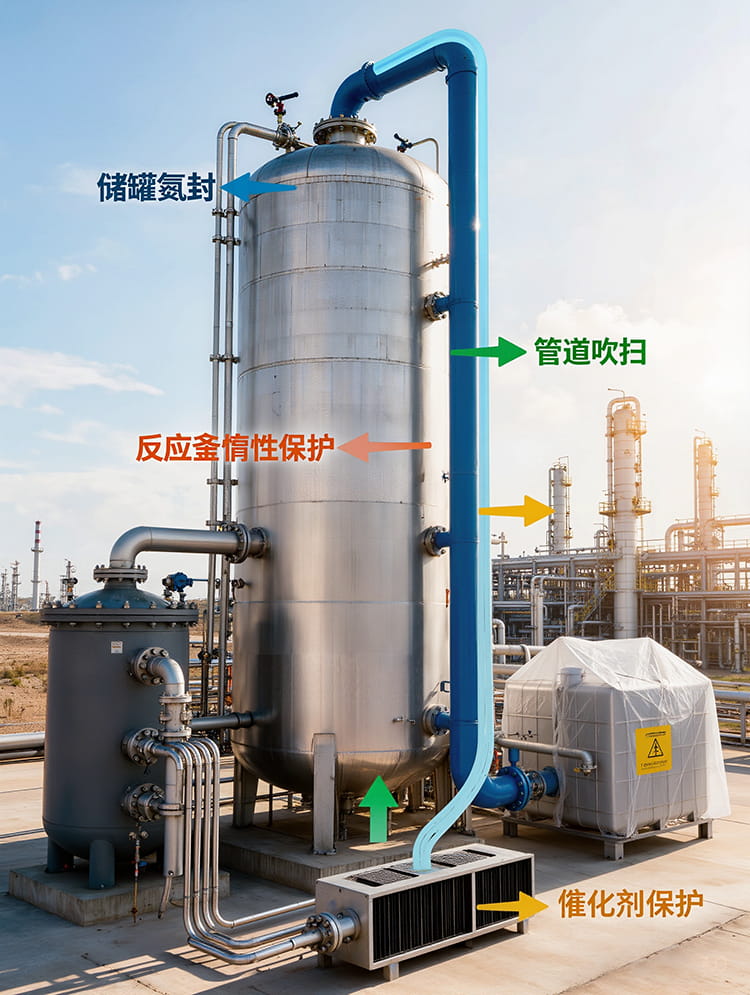
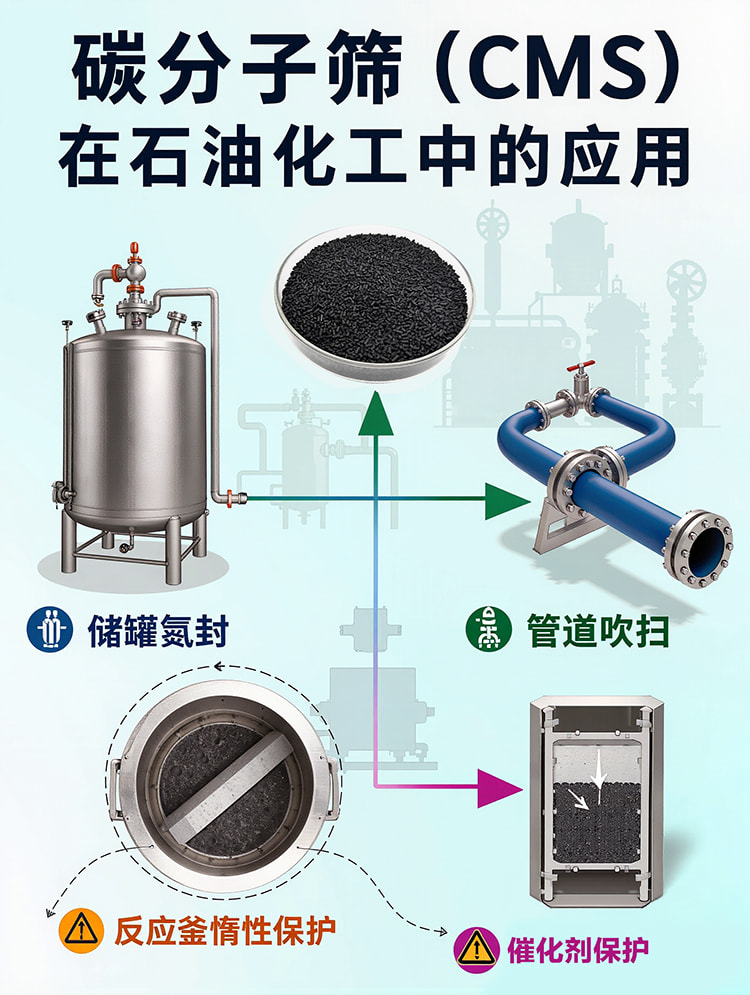
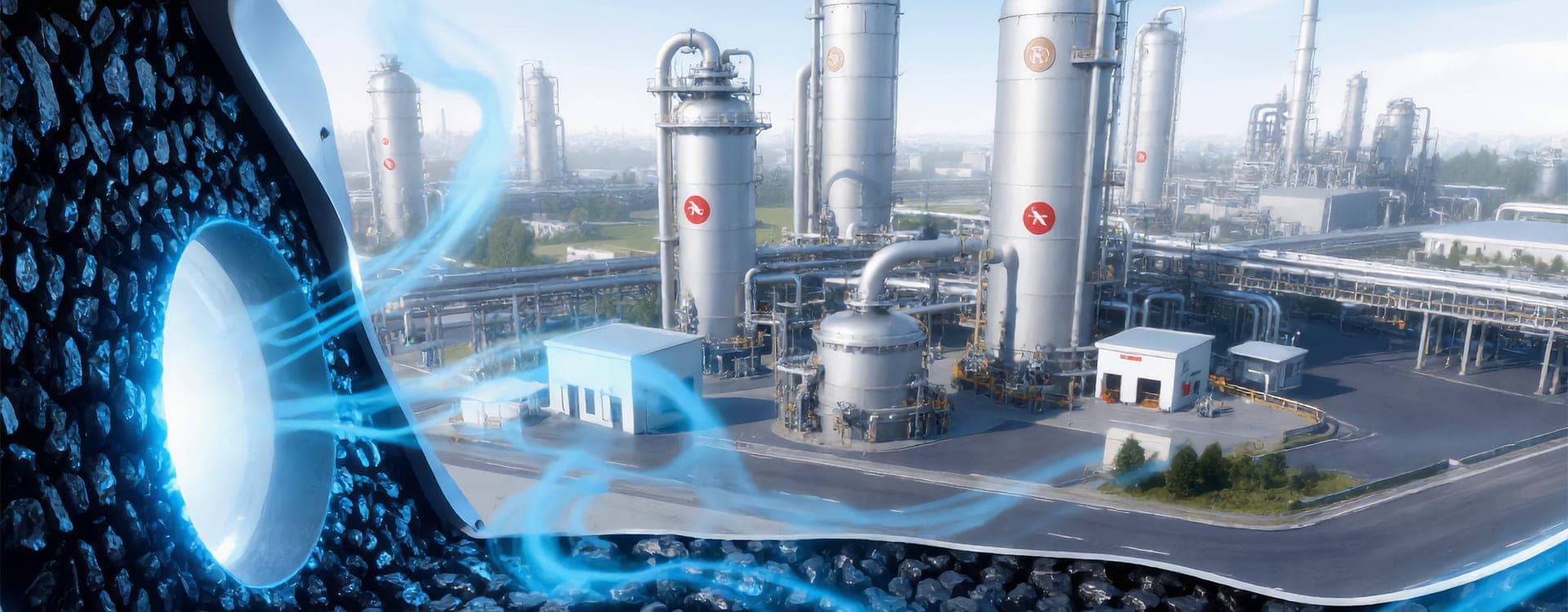
Nitrogen blanketing for storage tanks, pipeline purging, and inert protection for reactors—a purity level of 95% to 99.9% is sufficient to meet safety and anti-corrosion requirements. As nitrogen is inert, non-flammable, dry, and stable, it serves as an essential utility throughout the entire refining and chemical plant.
Categorized Into Five Major Areas Of Application
Storage Tank Blanketing (Most Common Use): A slight positive pressure of nitrogen is maintained in the headspace of tanks storing crude oil, gasoline, aromatics, and LPG to displace oxygen. This prevents the oxidation and deterioration of oil products, inhibits gum formation, and dilutes hydrocarbon vapors. It effectively eliminates the three prerequisites for combustion and explosion, significantly reduces the volatilization losses of light components, and—being dry and free of moisture—protects tank walls against corrosion.
Plant Start-up / Maintenance: Displacement & Purging (Pre-Start-up): Nitrogen is used to displace air from towers and pipelines, reducing oxygen levels to safe thresholds to prevent explosions during hot work or feedstock introduction. Shutdown & Maintenance: Nitrogen purges hydrocarbons, oil vapors, and toxic media; entry into vessels for operations is permitted only after safety clearance is obtained. Shutdown & Pressure Holding: Equipment is sealed under a nitrogen blanket to prevent moisture ingress, rusting, and air backflow.
Reaction Process Protection: Hydrogenation, Catalytic Cracking, Polymerization (PE/PP): An oxygen-free atmosphere is maintained within reactors to protect catalysts from burnout, prevent material oxidation, and enhance product purity. Stripping & Distillation: Hot nitrogen carries away light components and solvents to purify oil products. Catalyst Regeneration & Reduction: Inert protection is provided throughout the entire regeneration and reduction process.
Pneumatic Conveying & Instrument Air: Pneumatic Transport: Nitrogen pressure is utilized to convey flammable/explosive oil products and powdered materials, eliminating the need for mechanical pumps—thereby avoiding sparks and ensuring safe transport. Instrument Air Source: Nitrogen serves as the pneumatic supply for precision control valves and Safety Instrumented Systems (SIS); being dry and oxygen-free, it prevents corrosion, freezing, and sticking of instrumentation components.
Oil & Gas Field Operations / Emergency Safety: Enhanced Oil Recovery: Nitrogen injection, gas-cap driving, and hydraulic fracturing techniques are employed to increase crude oil recovery rates. Fire & Leakage Response: Nitrogen is used to rapidly dilute flammable gases, extinguish fires through asphyxiation, and suppress the propagation of explosions. It is also used for inerting flare systems and for blanketing wastewater pools to prevent sulfide oxidation and corrosion.
Cryogenic Refrigeration (Liquid Nitrogen)
Ultra-low temperature of -196°C, used for cracking gas separation, light hydrocarbon condensation and purification, and liquefaction separation.
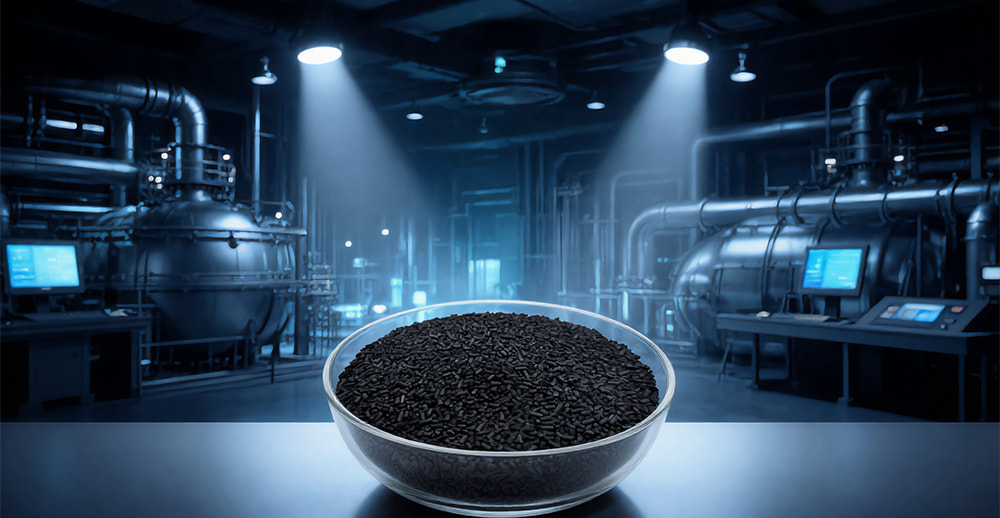
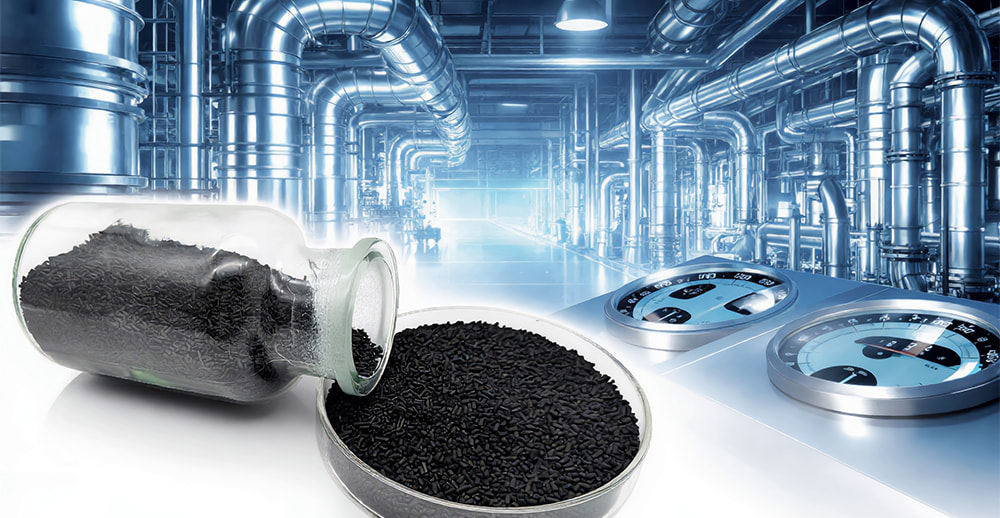
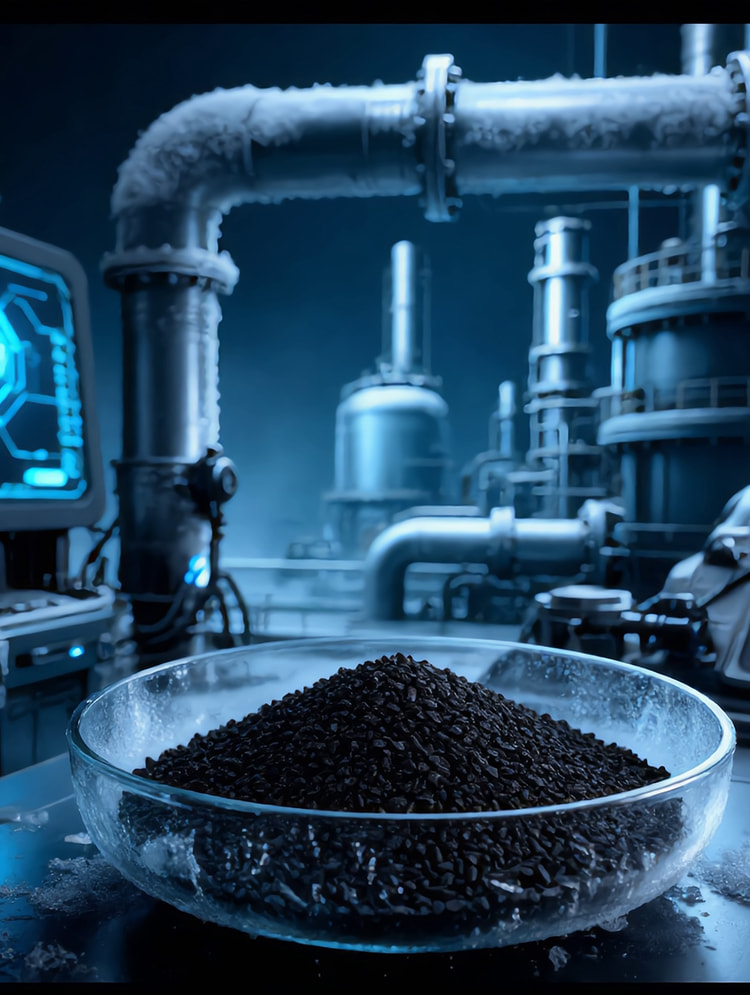
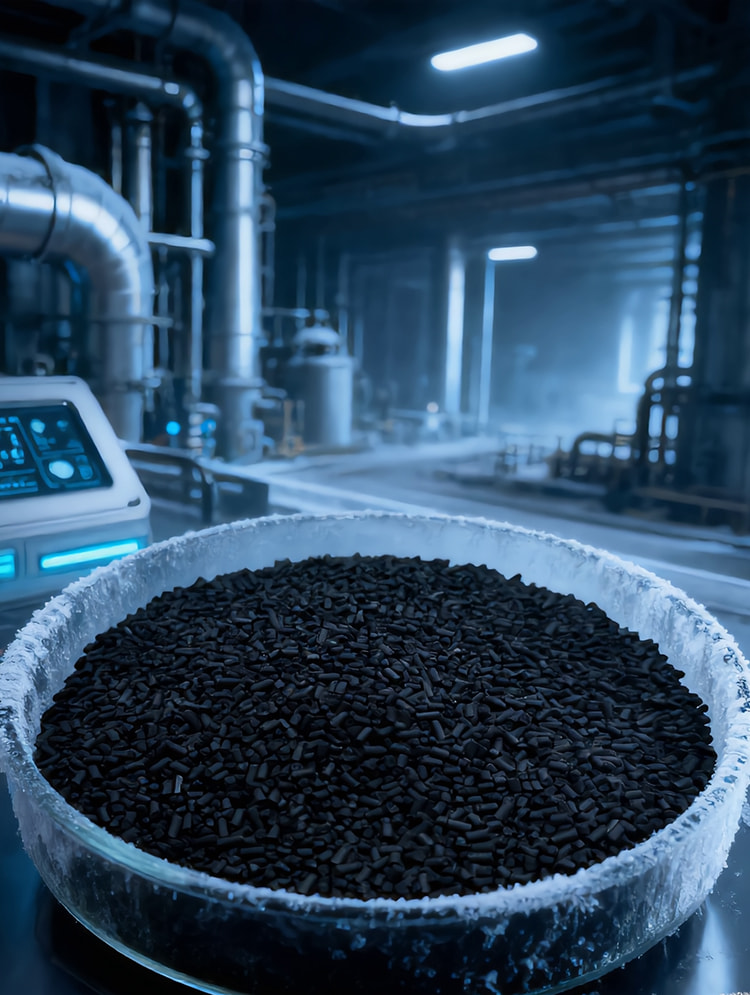
Carbon Molecular Sieve for Petrochemical Nitrogen Blanketing
Application
ABOUT ZHUOXU
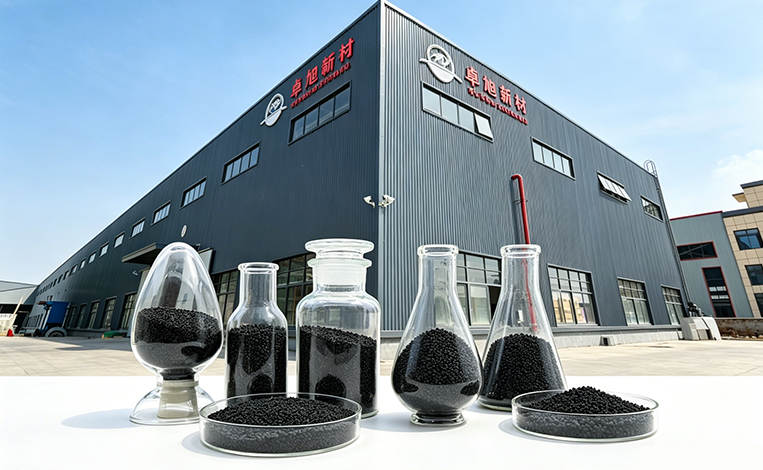
The company owns 21 core patents and ISO9001 certification, forming a closed-loop industrial chain covering porous carbon materials and nitrogen equipment services.
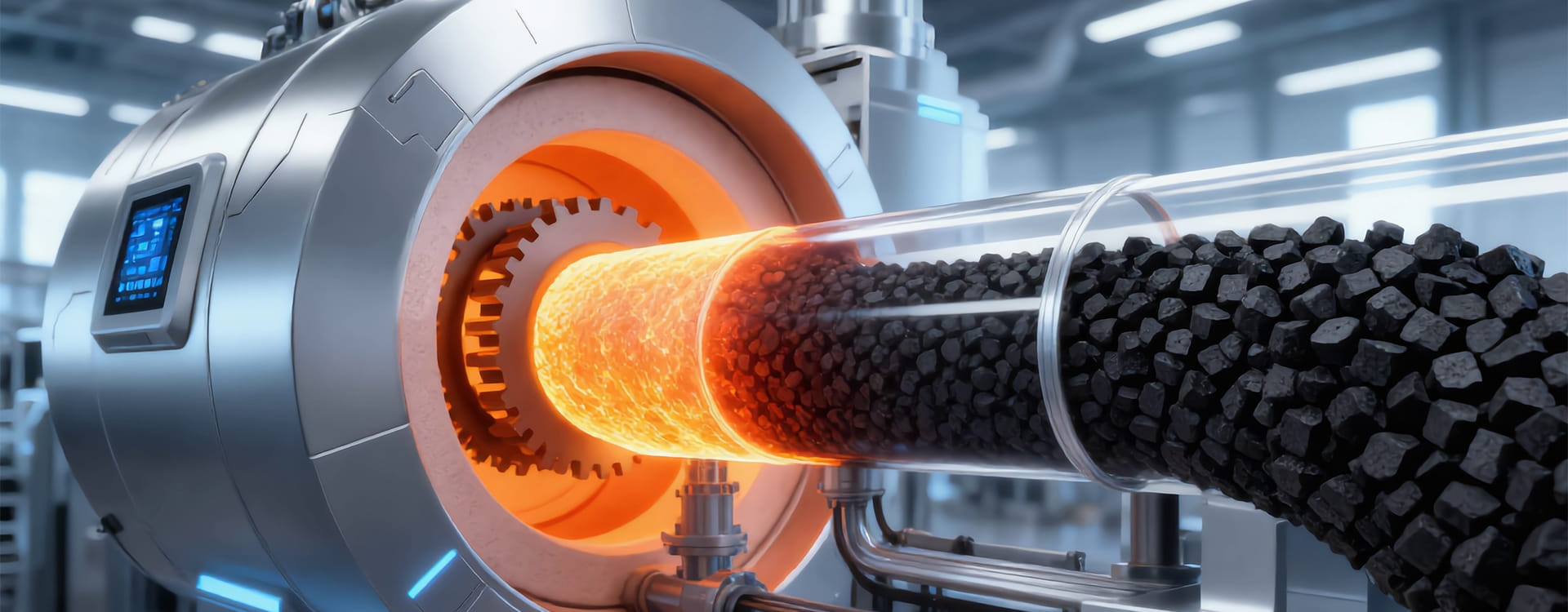
Our proprietary Resin-based Porous Carbon (RHC) technology takes polymer resin as the precursor and forms a highly stable hard carbon structure through high-temperature carbonization, enjoying irreplaceable advantages in sodium-ion batteries and supercapacitors. Petrochemical Industry Carbon Molecular Sieve Suppliers. Our products are sold nationwide and exported to Asia, South America, the Middle East and Southeast Asia. Through in-depth technical cooperation with universities and listed enterprises, we continuously promote the iterative upgrading of new energy materials and gas separation technologies.
NEWS & EVENTS
who we are

 E-mail
anhuilisa@126.com
E-mail
anhuilisa@126.com
 Phone
+86 18603224420
Phone
+86 18603224420
 Address
No. 26 Kunshan Road, Xuanzhou Economic Development Zone, Liqiao Town, Xuanzhou District, Xuancheng City, Anhui Province, P.R.China
Address
No. 26 Kunshan Road, Xuanzhou Economic Development Zone, Liqiao Town, Xuanzhou District, Xuancheng City, Anhui Province, P.R.China
Products
Application
About
Copyright Anhui Zhuoxu New Material Technology Co., Ltd. All rights reserved.
 Petrochemical Industry Carbon Molecular Sieve Manufacturers