
 English
 中文简体
中文简体 русский
 Français
 Español
 عربى
عربى CONTACT US


CMS-240 Carbon Molecular Sieve Explained: Is This the Right Grade for Your Nitrogen System?
2026-07-28
Content
- 1 What Makes CMS-240 Carbon Molecular Sieve Different
- 2 How CMS-240 Achieves High-Purity Nitrogen Output
- 3 Industries That Rely on CMS-240 Carbon Molecular Sieve
- 4 CMS-240 vs Standard Carbon Molecular Sieve Grades
- 5 Key Specifications to Check Before Buying CMS-240
- 6 Maintaining Performance in a CMS-240 Nitrogen System
- 7 Is CMS-240 the Right Choice for Your Application
What Makes CMS-240 Carbon Molecular Sieve Different
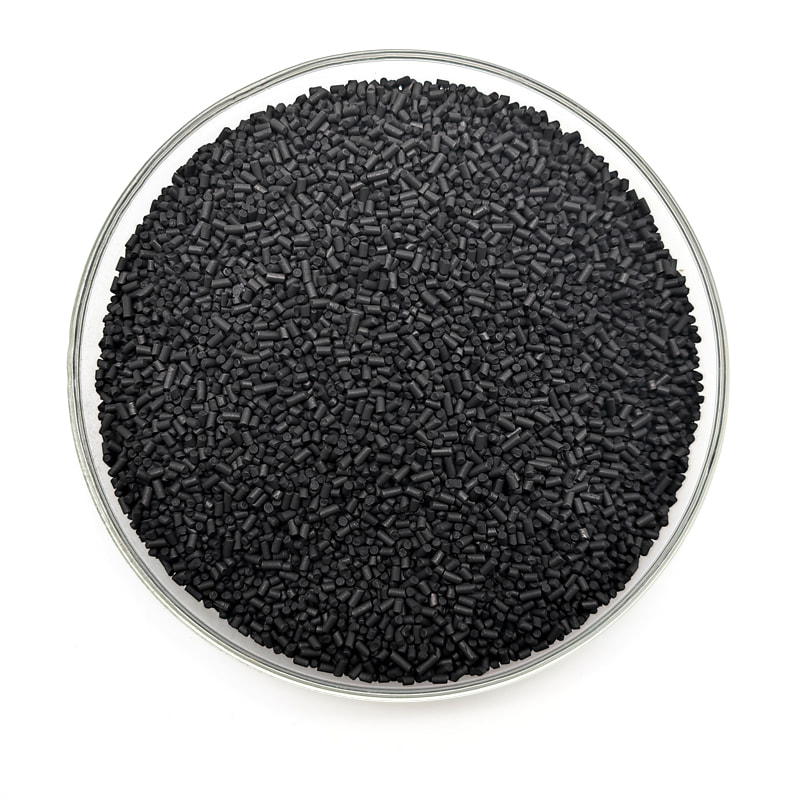
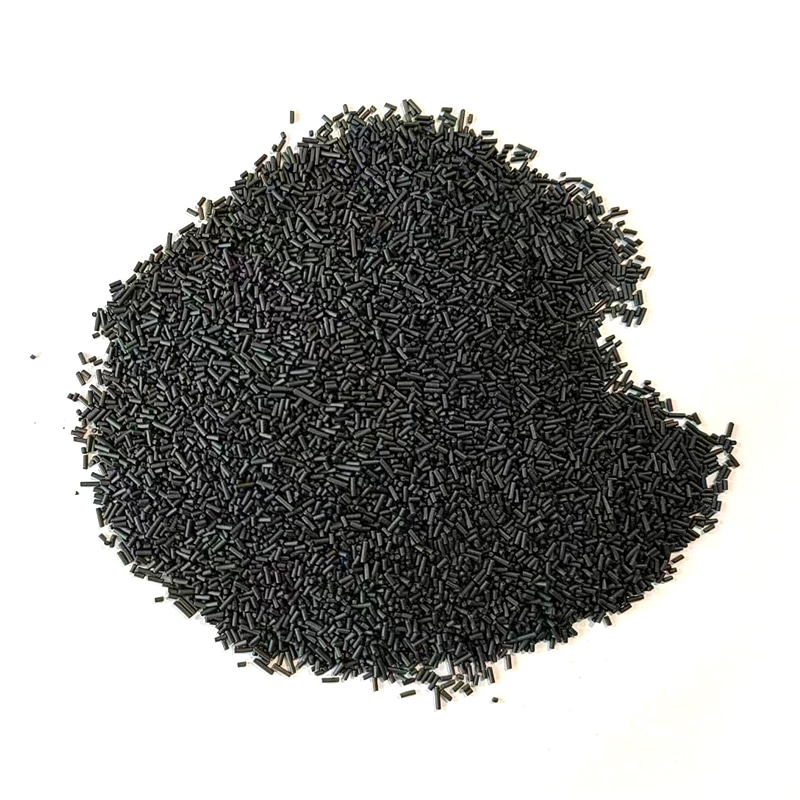
CMS-240 Carbon Molecular Sieve is a high-performance grade of carbon molecular sieve developed for applications that demand nitrogen purity levels beyond what standard sieves can reliably deliver. The "240" in its name typically refers to its position within a manufacturer's product lineup, where higher numbers generally indicate a tighter, more refined pore structure. This refined pore architecture allows CMS-240 to separate oxygen and nitrogen molecules with greater precision, which is essential when a process cannot tolerate even trace amounts of residual oxygen.
Compared to general-purpose carbon molecular sieve products, CMS-240 is manufactured with tighter tolerances on micropore size distribution. This consistency is what allows the sieve to consistently hit purity levels in the 99.9 percent to 99.999 percent range under proper operating conditions, something that lower grades of carbon molecular sieve simply cannot achieve without sacrificing gas output or cycle stability.
How CMS-240 Achieves High-Purity Nitrogen Output
Kinetic Separation at a Finer Scale
Like other carbon molecular sieve products, CMS-240 works on the principle of kinetic separation rather than equilibrium adsorption. Oxygen molecules diffuse into the carbon's micropores faster than nitrogen molecules due to their smaller kinetic diameter. What sets CMS-240 apart is how narrowly its pore openings are controlled, which slows nitrogen diffusion even further and widens the separation window between the two gases. This wider window is what enables the sieve to hold back nearly all oxygen molecules while letting a clean, highly concentrated stream of nitrogen pass through.
Cycle Time and Pressure Considerations
Because CMS-240 is optimized for purity rather than raw throughput, PSA systems using this grade typically run on longer adsorption cycles and slightly higher operating pressures than systems built around general-purpose carbon molecular sieve. This trade-off is intentional. Slowing down the cycle gives oxygen molecules more time to fully saturate the pore structure before the bed switches over, which is what pushes purity levels higher. Operators should expect somewhat lower nitrogen flow rates per unit of carbon molecular sieve compared to standard grades, and system sizing should account for this from the design stage.
Industries That Rely on CMS-240 Carbon Molecular Sieve
CMS-240 is generally reserved for processes where nitrogen purity has a direct impact on product quality, safety, or regulatory compliance. Because this grade costs more than standard carbon molecular sieve and produces gas at a slower rate, it tends to appear in industries where the purity requirement justifies the added expense.
- Pharmaceutical manufacturing, where nitrogen blanketing prevents oxidation of sensitive compounds
- Semiconductor and electronics production, where trace oxygen can cause defects at a microscopic level
- Specialty chemical synthesis, where reactive intermediates require an oxygen-free environment
- Laboratory and analytical instrumentation, where carrier gas purity affects measurement accuracy
- Battery manufacturing, where high-purity nitrogen protects moisture and oxygen-sensitive materials
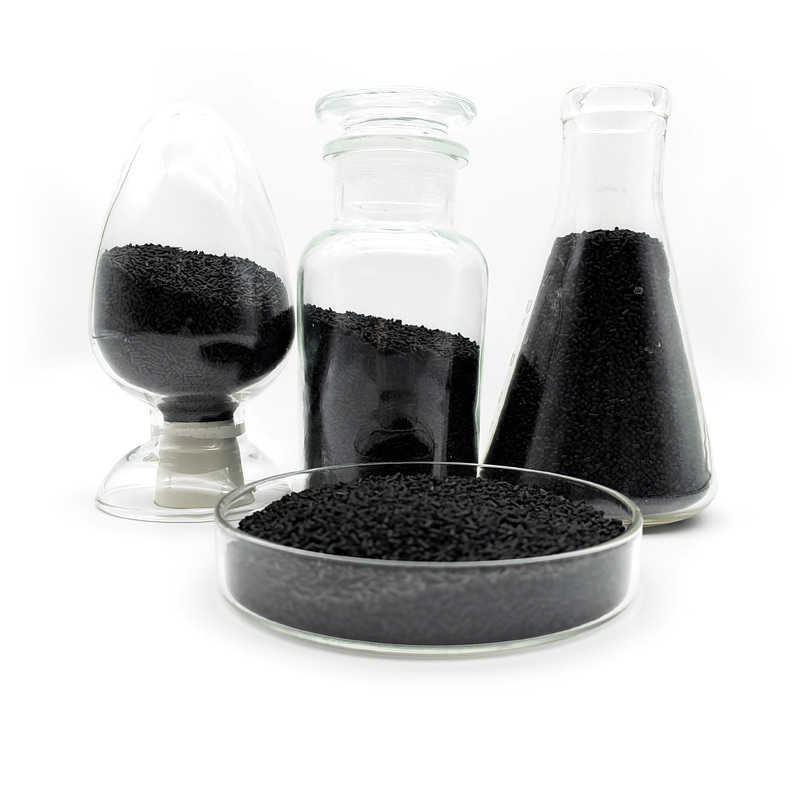
CMS-240 vs Standard Carbon Molecular Sieve Grades
Choosing between CMS-240 and a lower grade of carbon molecular sieve comes down to matching the sieve's capabilities to the actual purity and flow demands of the application. The comparison below highlights the practical differences buyers should weigh before making a purchasing decision.
| Characteristic | CMS-240 | Standard Grade (e.g., CMS-160) |
| Typical Nitrogen Purity | 99.9% - 99.999% | 95% - 99.5% |
| Cycle Time | Longer | Shorter |
| Nitrogen Output Rate | Lower per unit volume | Higher per unit volume |
| Relative Cost | Higher | Lower |
Key Specifications to Check Before Buying CMS-240
Micropore Volume and Distribution Data
Reliable suppliers of CMS-240 carbon molecular sieve should be able to provide detailed pore size distribution data, since this is the single biggest factor influencing separation performance. Buyers should ask for test data showing how consistent the pore openings are across a production batch, not just an average figure, because variation within a batch can cause uneven performance across the PSA bed.
Crush Strength and Attrition Resistance
Since CMS-240 often operates under longer cycles and higher pressures, particle durability becomes even more important than with standard grades. Low attrition resistance leads to dust generation, increased pressure drop, and gradual loss of bed performance over time. Requesting crush strength test results and attrition loss percentages from a supplier is a practical way to confirm the physical durability of the material before committing to a bulk purchase.
Maintaining Performance in a CMS-240 Nitrogen System
Because CMS-240 is engineered for high-purity output, it is also more sensitive to contamination than general-purpose carbon molecular sieve. Moisture, oil vapor, and particulate matter carried over from the compressed air supply can clog the fine pore structure and cause purity to drop noticeably, even before the sieve's rated service life has been reached. Installing high-quality pre-filtration, including refrigerated air dryers and coalescing filters, is not optional when working with this grade, it is a baseline requirement for protecting the investment.
Regularly logging purity readings against cycle settings is one of the most effective ways to track the health of a CMS-240 bed. A gradual, consistent decline in purity at unchanged operating parameters is usually the earliest and most reliable sign that the carbon molecular sieve is degrading and that replacement planning should begin.
Is CMS-240 the Right Choice for Your Application
CMS-240 carbon molecular sieve makes the most sense when your process genuinely requires nitrogen purity above 99.9 percent and when the cost of oxygen contamination outweighs the added expense of this higher-grade sieve. For applications where purity requirements sit below that threshold, a standard grade of carbon molecular sieve will typically deliver better overall value through faster cycles and higher gas output. Matching the sieve grade precisely to the purity requirement, rather than defaulting to the highest available grade, is the most cost-effective way to design a long-lasting, high-performing nitrogen generation system.



 E-mail
anhuilisa@126.com
E-mail
anhuilisa@126.com
 Phone
+86 18603224420
Phone
+86 18603224420
 Address
No. 26 Kunshan Road, Xuanzhou Economic Development Zone, Liqiao Town, Xuanzhou District, Xuancheng City, Anhui Province, P.R.China
Address
No. 26 Kunshan Road, Xuanzhou Economic Development Zone, Liqiao Town, Xuanzhou District, Xuancheng City, Anhui Province, P.R.China
Copyright Anhui Zhuoxu New Material Technology Co., Ltd. All rights reserved.
 Carbon Molecular Sieve Manufacturer Carbon Molecular Sieve Supplier