
 English
 中文简体
中文简体 русский
 Français
 Español
 عربى
عربى CONTACT US


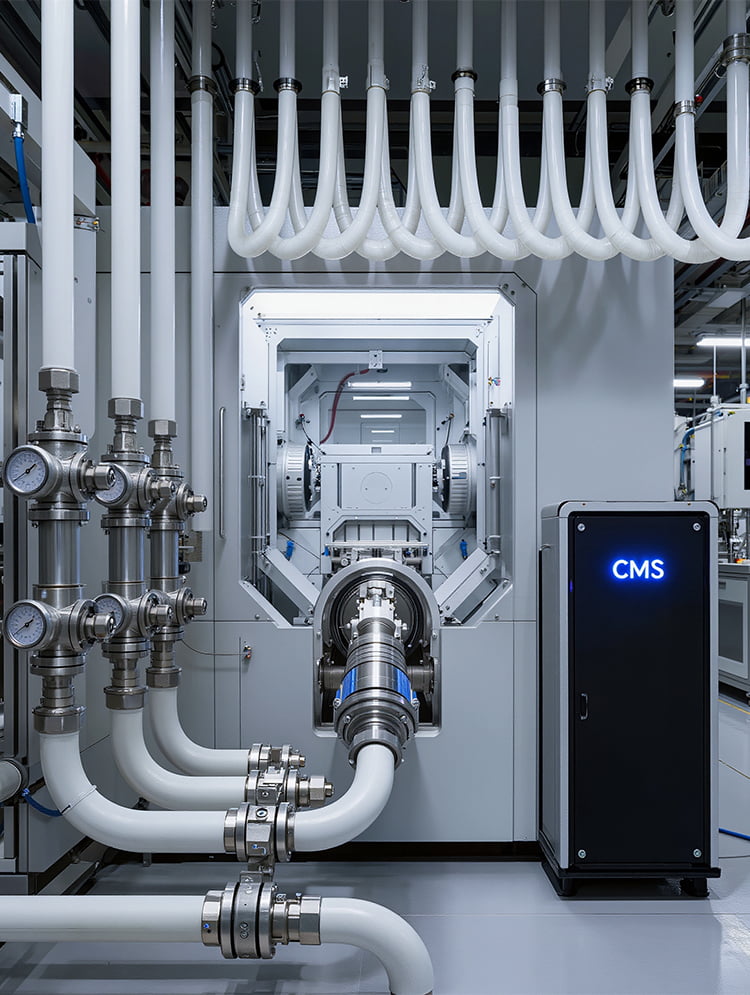
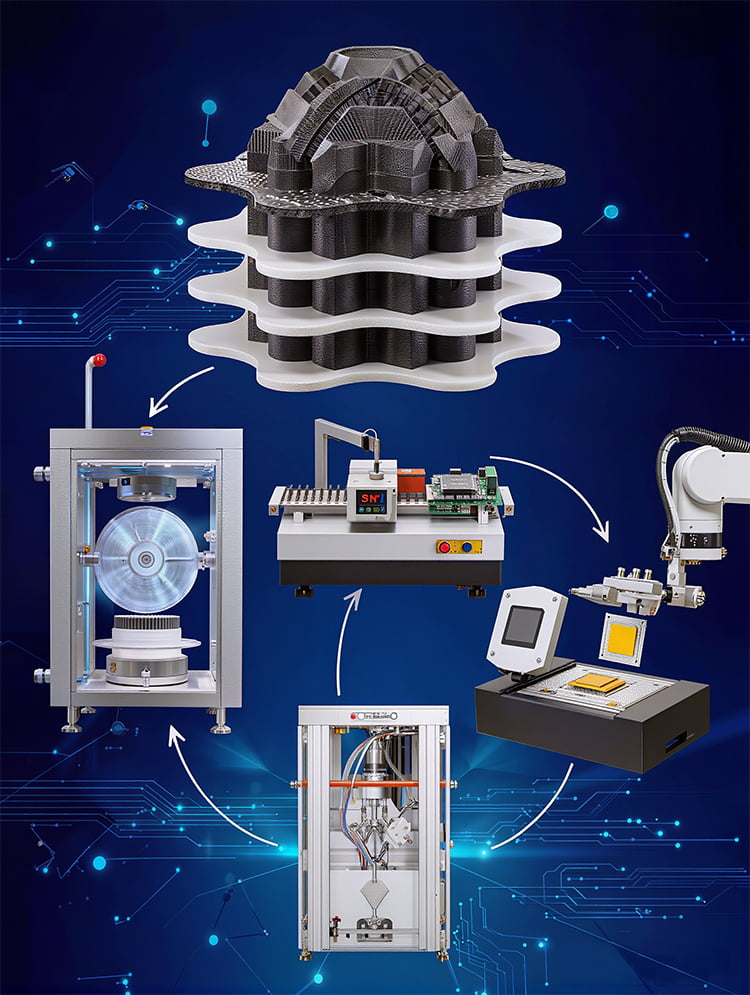
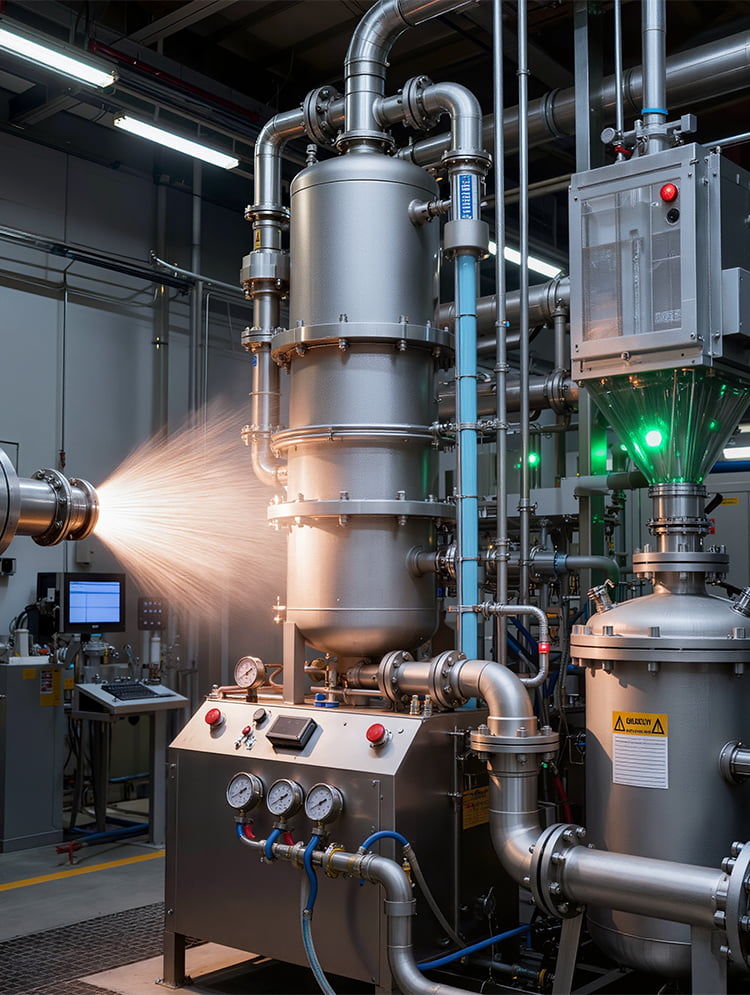
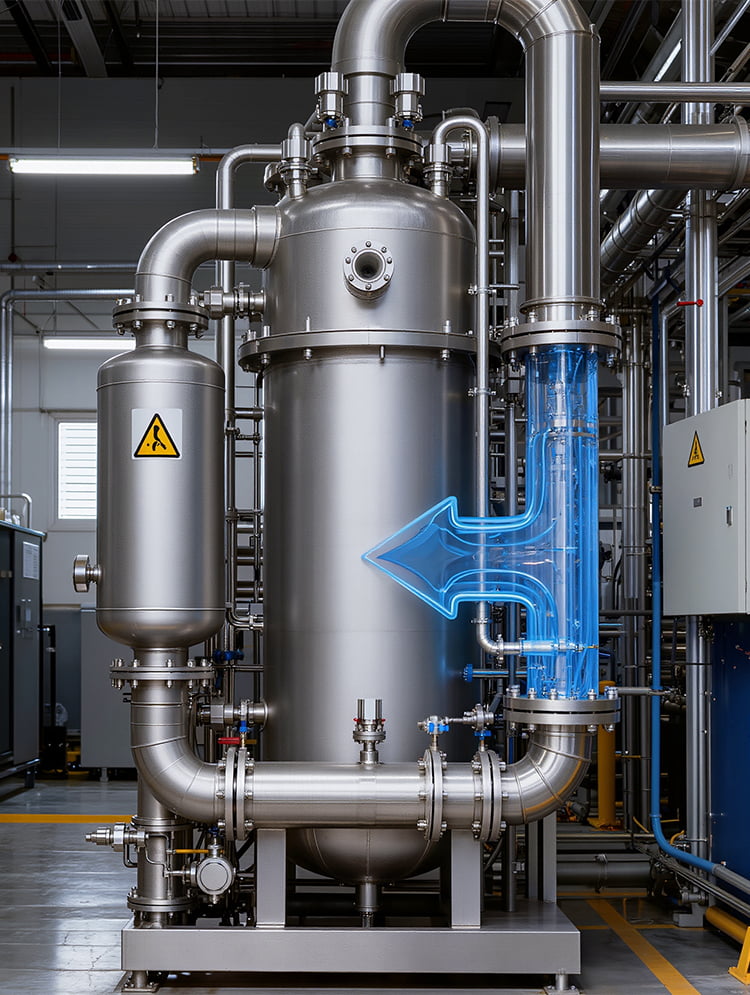
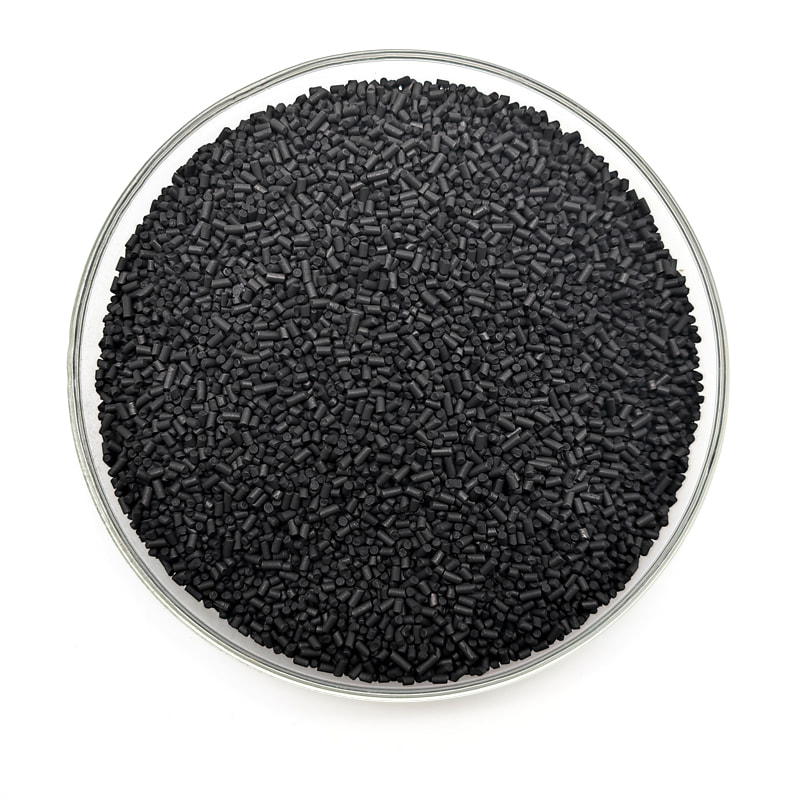
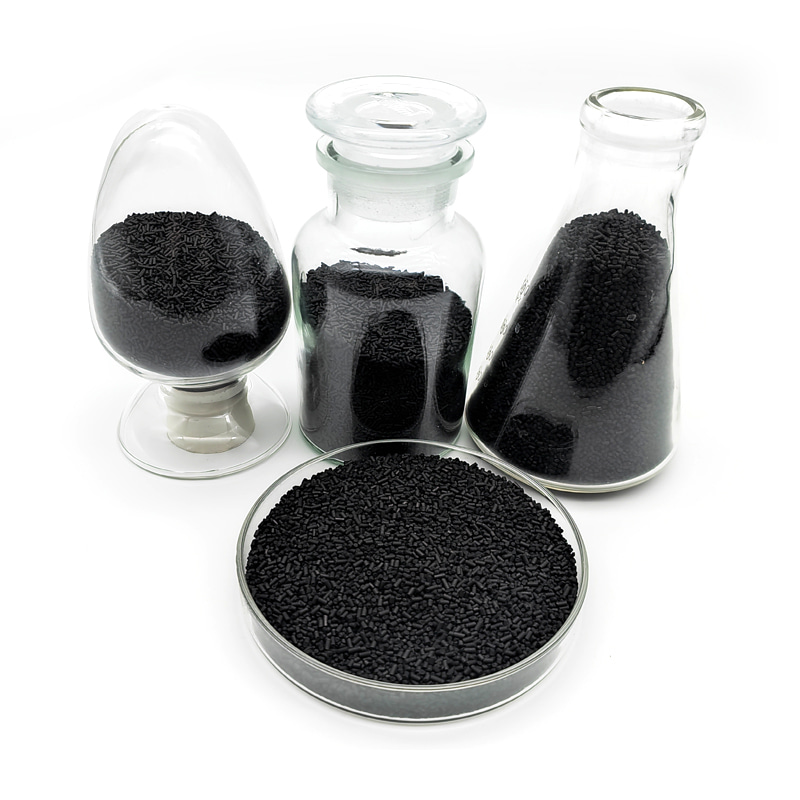
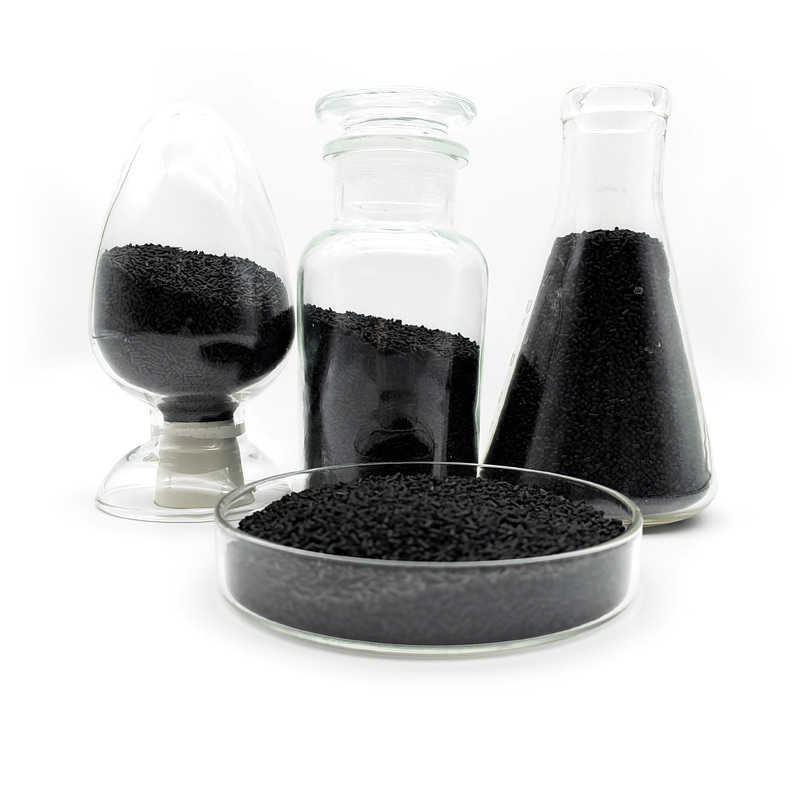
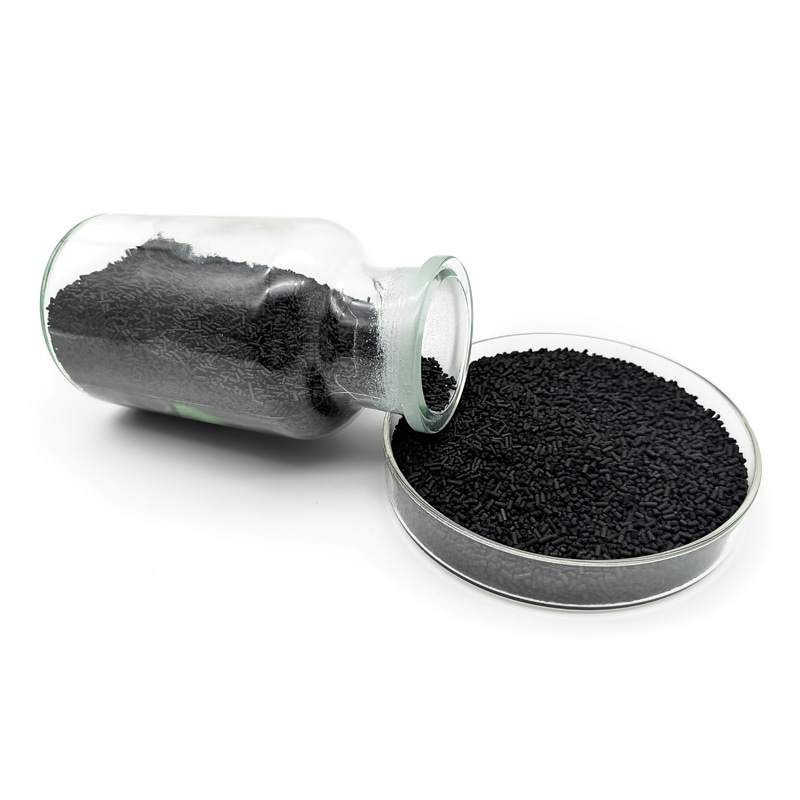
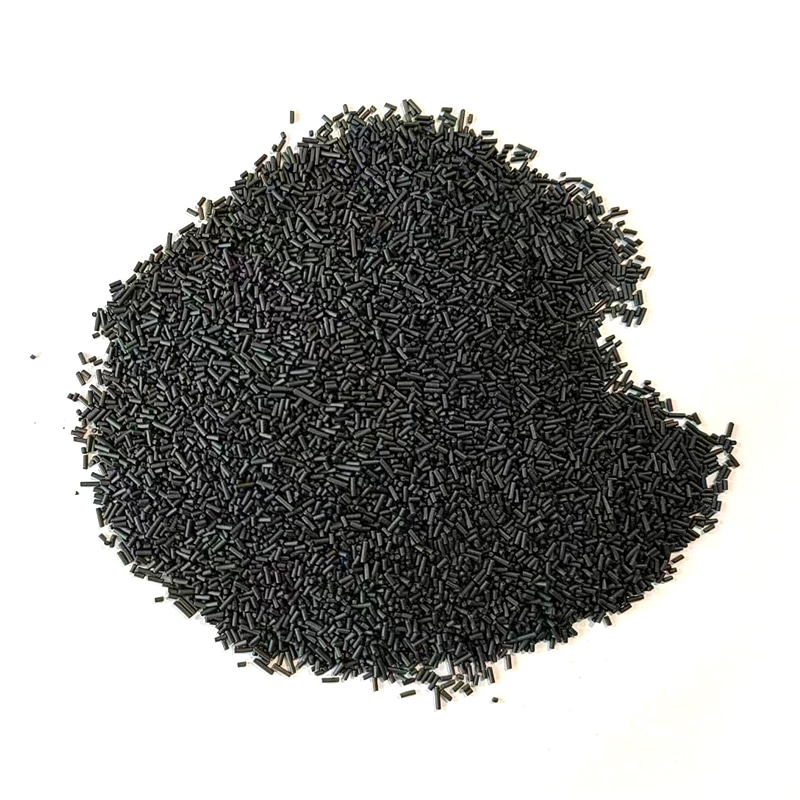
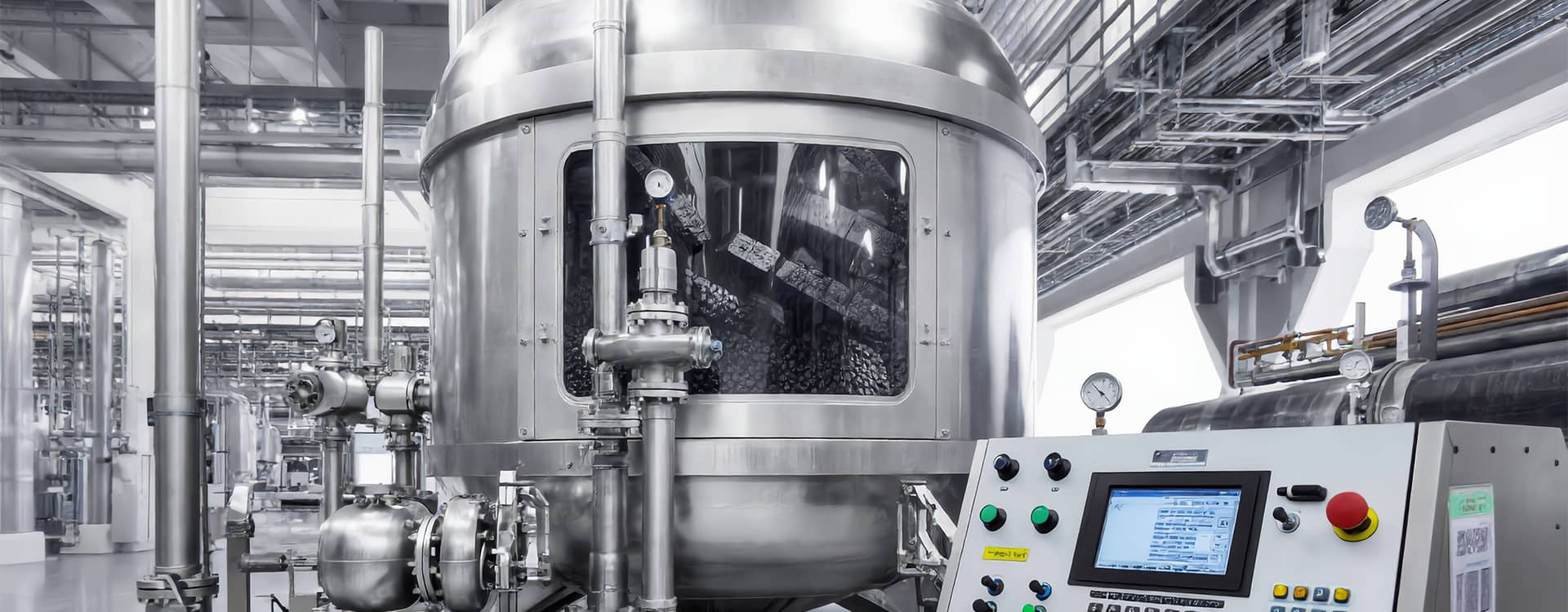
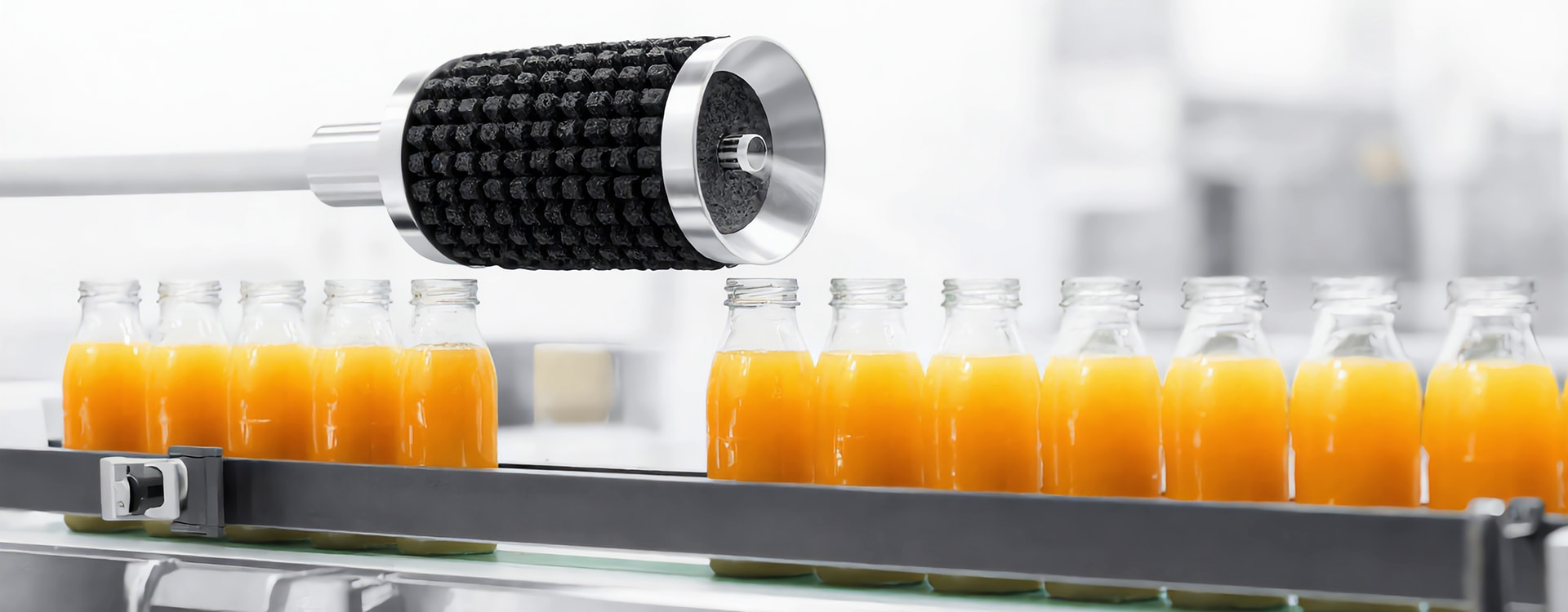
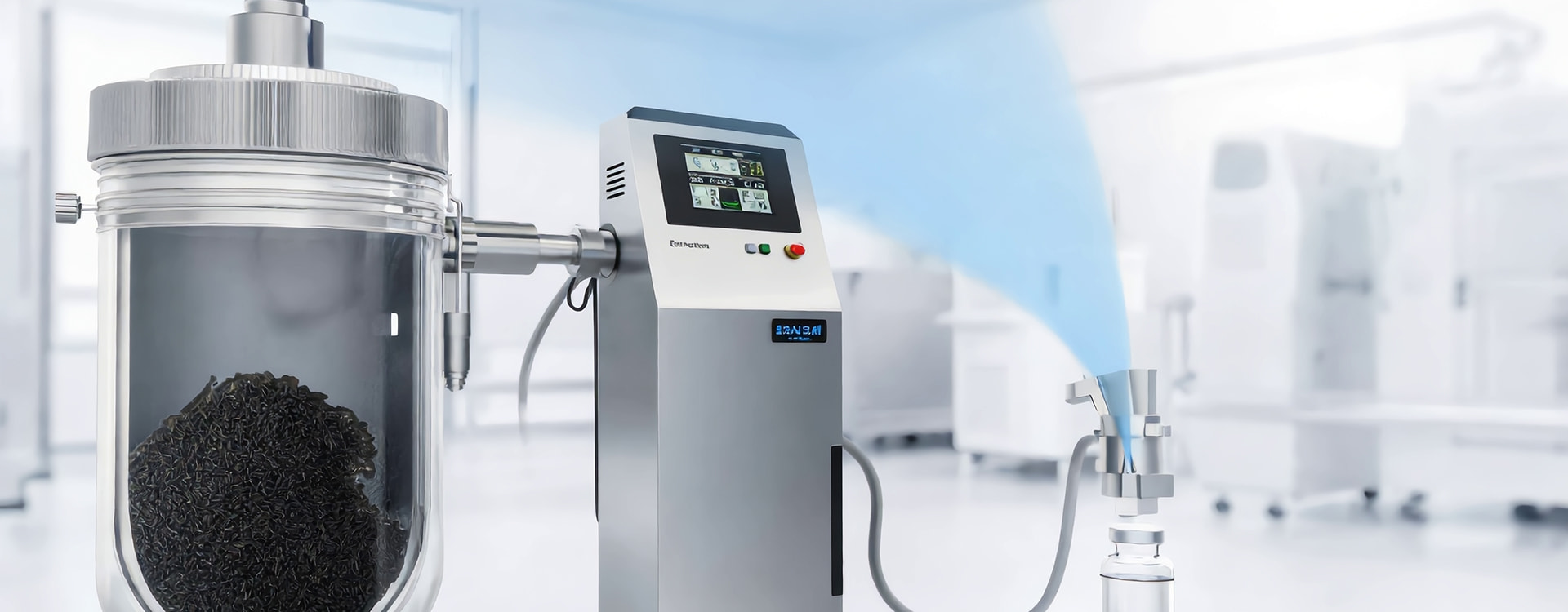
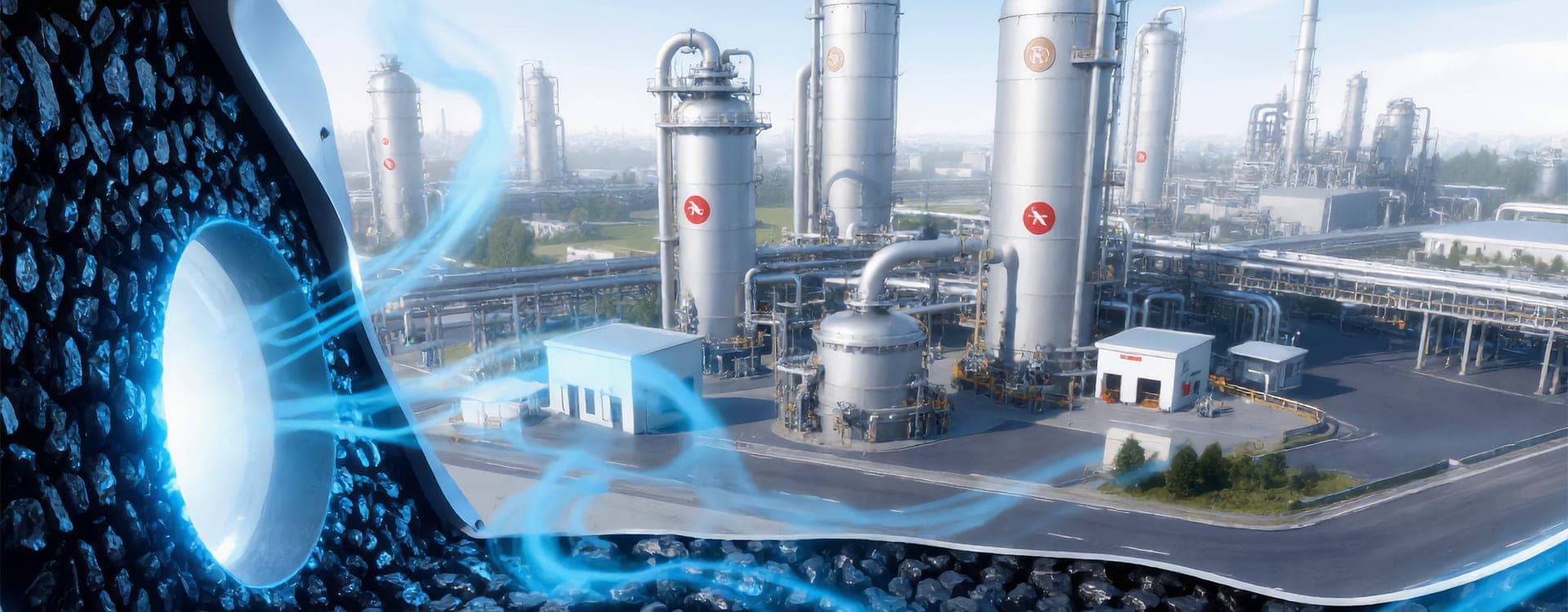
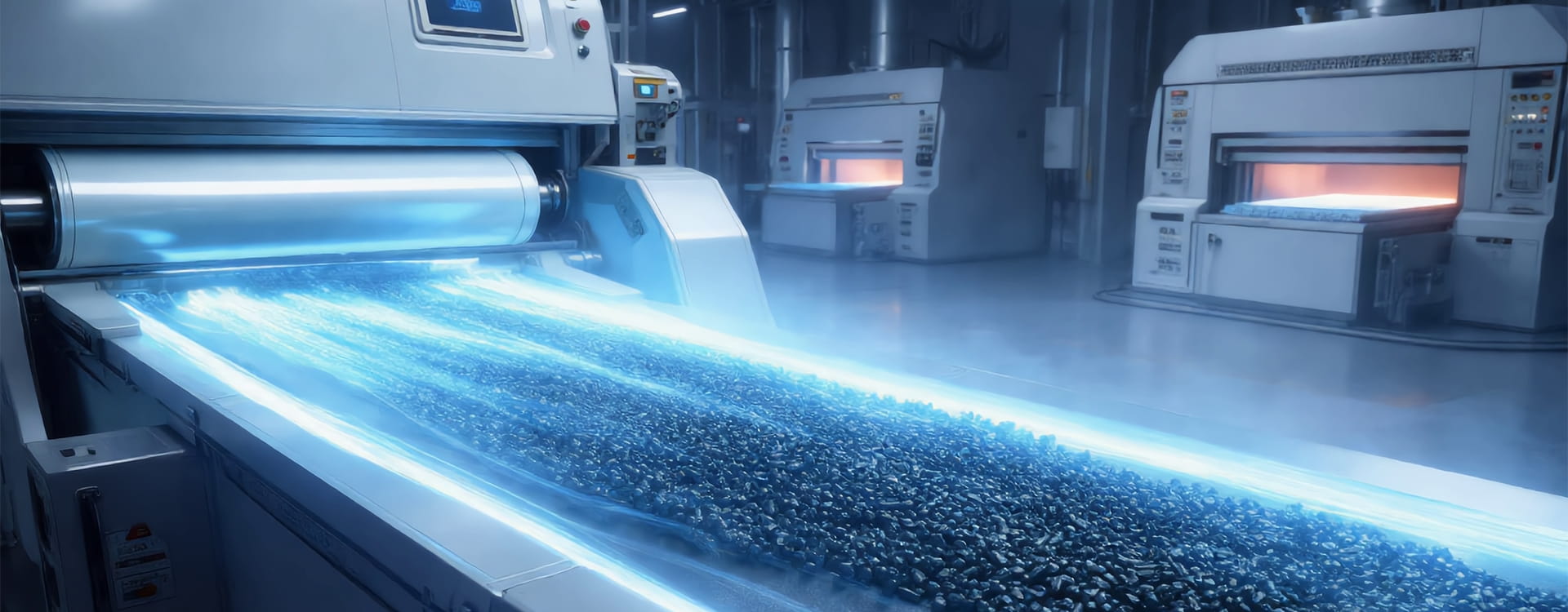
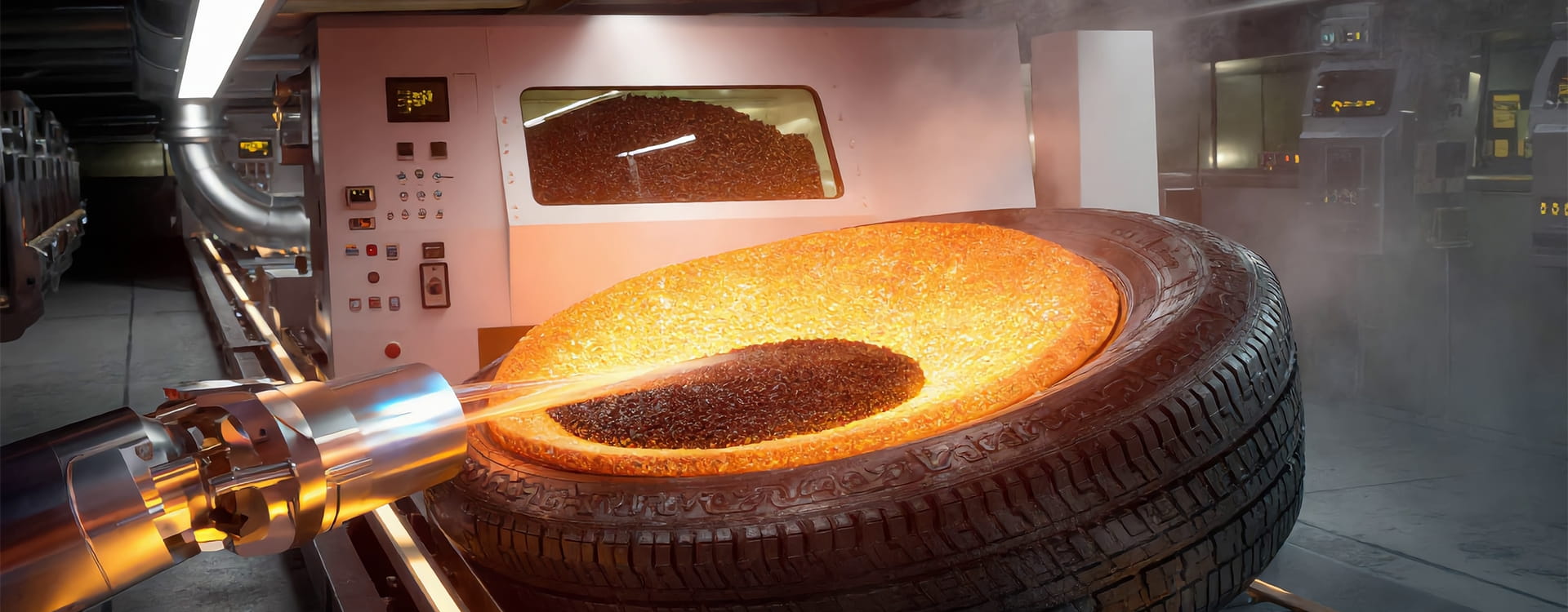
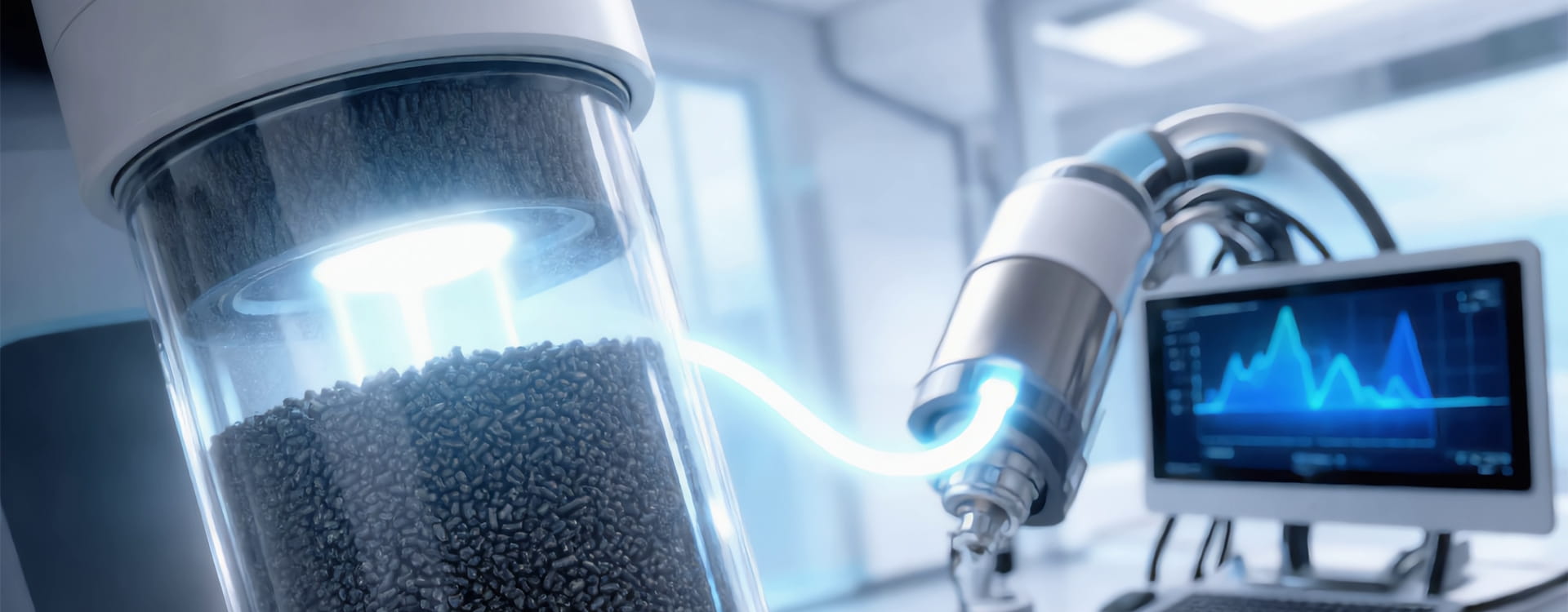
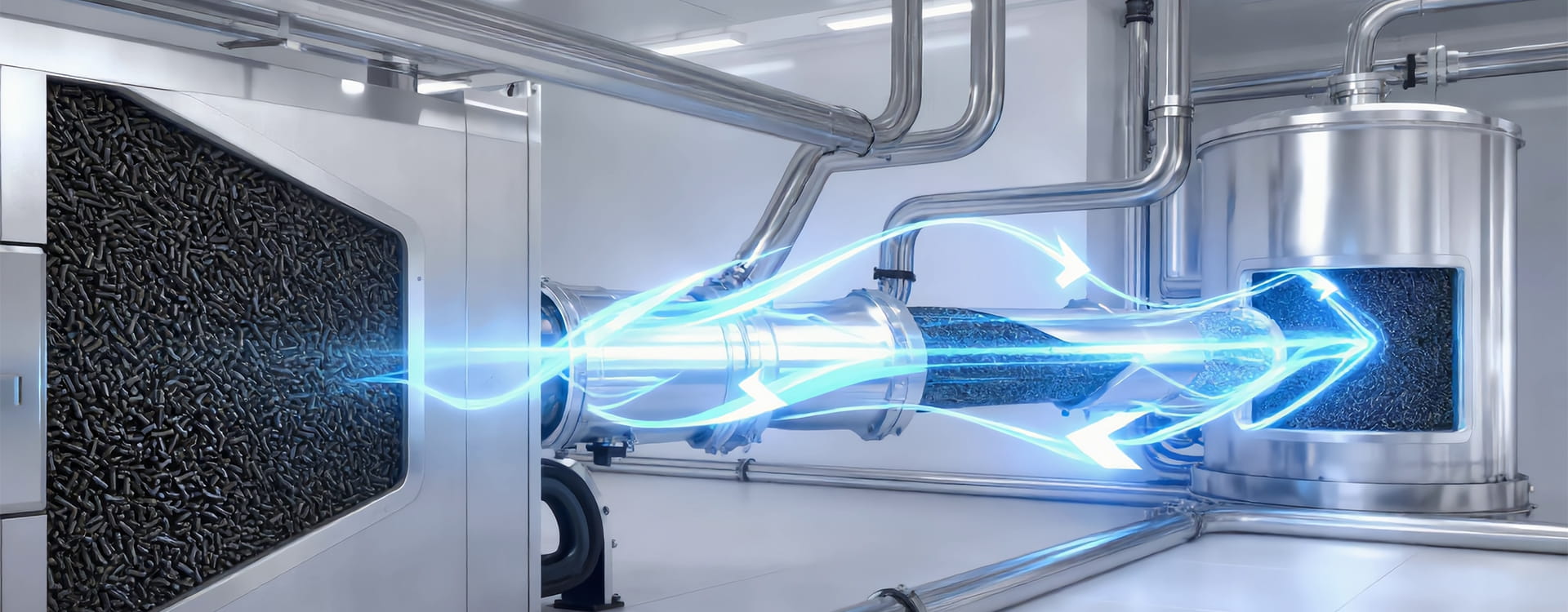
Anhui Zhuoxu New Material Technology Co., Ltd. a wholly-owned subsidiary of Huiya Group, is located in Xuancheng, Anhui Province. With a Phase I investment of 65.86 million yuan, it has built a production base with an annual output of 4,000 tons of porous carbon materials and 30,000 cubic meters of floral foam, serving the air separation and floral substrate industries.
The Phase II 3,000-ton porous carbon project, with an investment of 26.96 million yuan, is scheduled to be put into operation in 2026, focusing on breakthroughs in silicon-carbon anode materials for new energy batteries and PSA pressure swing adsorption applications. supply Carbon Molecular Sieve for Electronics & Semiconductors
Electronics & Semiconductors

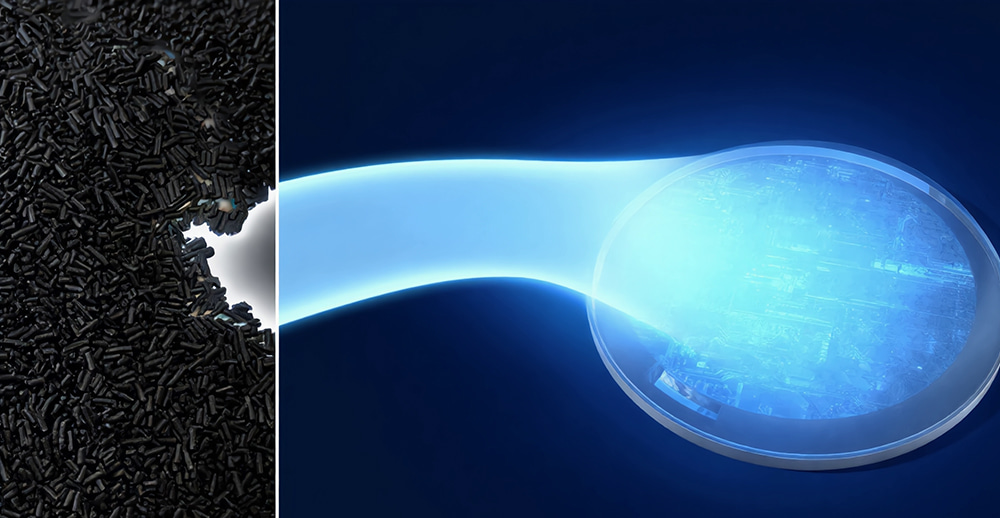
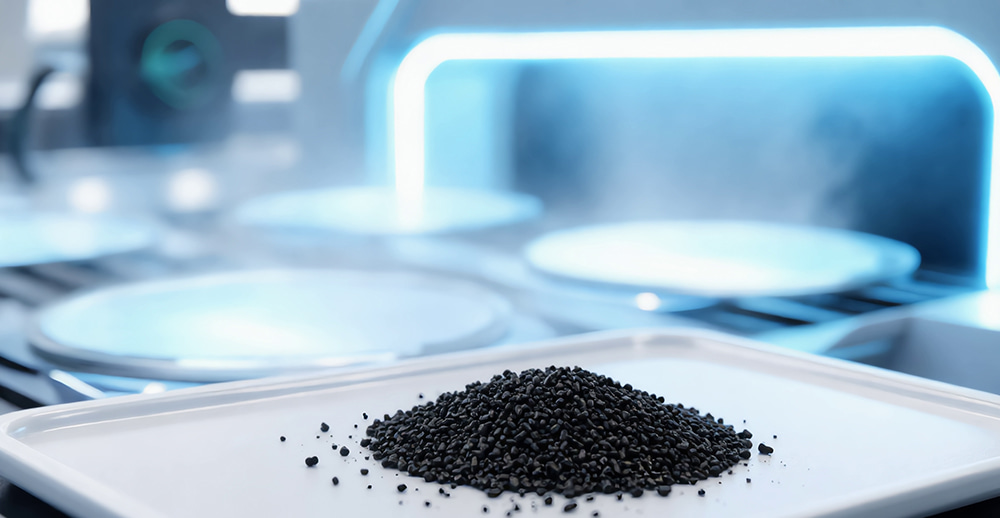
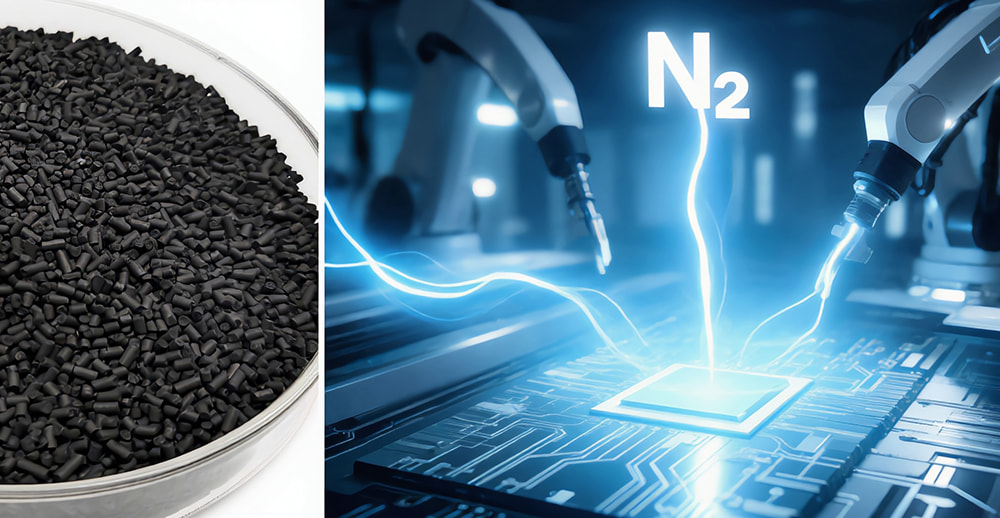
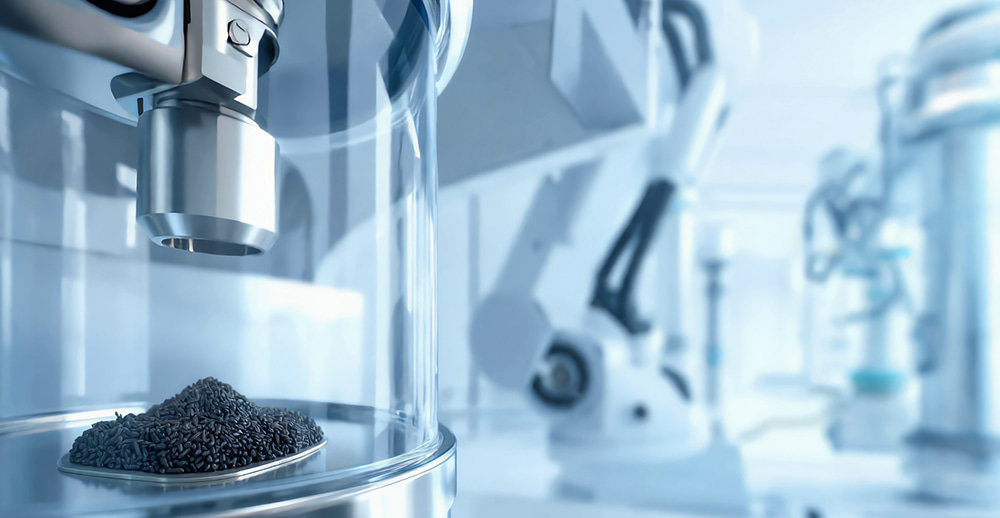
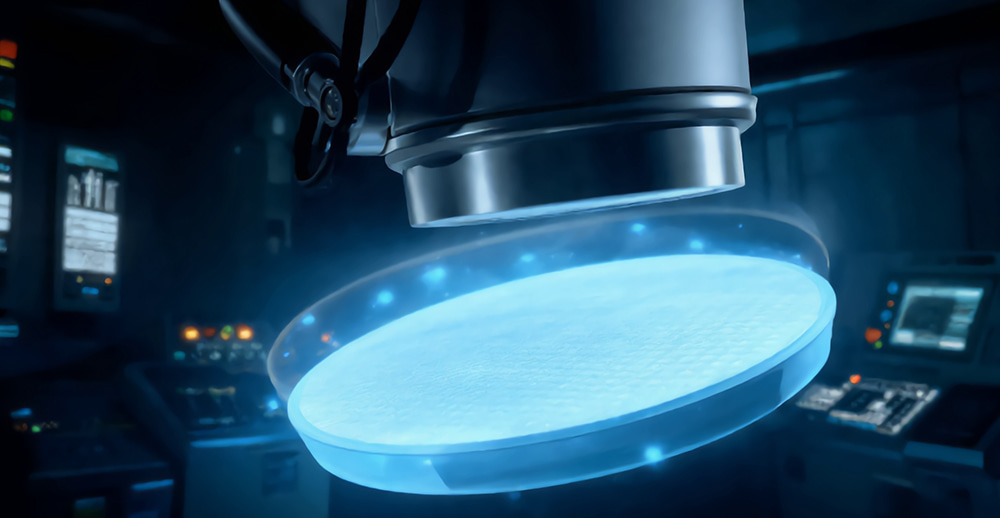
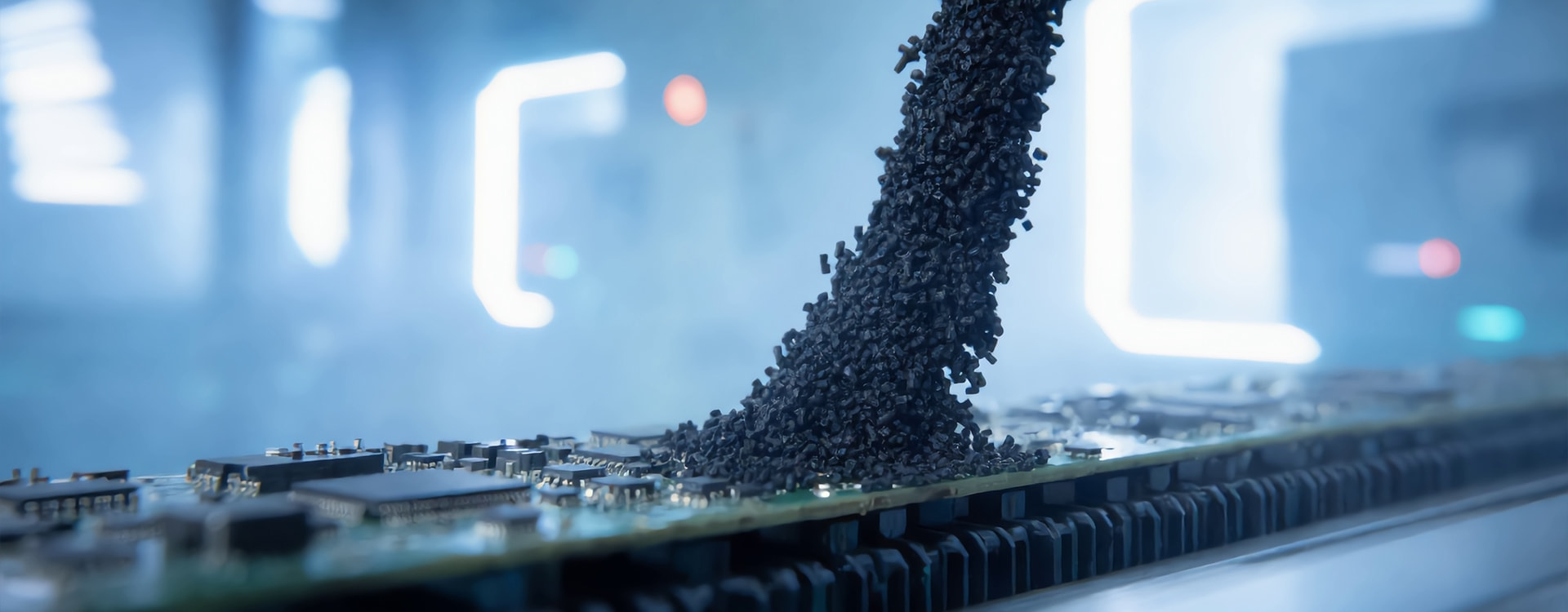
In electronic semiconductor manufacturing, nitrogen serves as a fundamental and essential auxiliary material. Its primary functions are to provide a high-purity inert environment, control process parameters, and ensure yield and reliability; these roles span the entire workflow, from wafer fabrication through packaging and testing.
Core Functions and Key Applications
Inert Protection (Anti-oxidation/Moisture Prevention): Chemically stable, nitrogen isolates oxygen and moisture, thereby preventing the oxidation or contamination of sensitive materials such as silicon wafers, metal interconnects, and photoresists. Typical scenarios include: wafer storage/transport, photoresist coating, CVD/ALD thin-film deposition, rapid thermal annealing (RTA), and wire bonding.
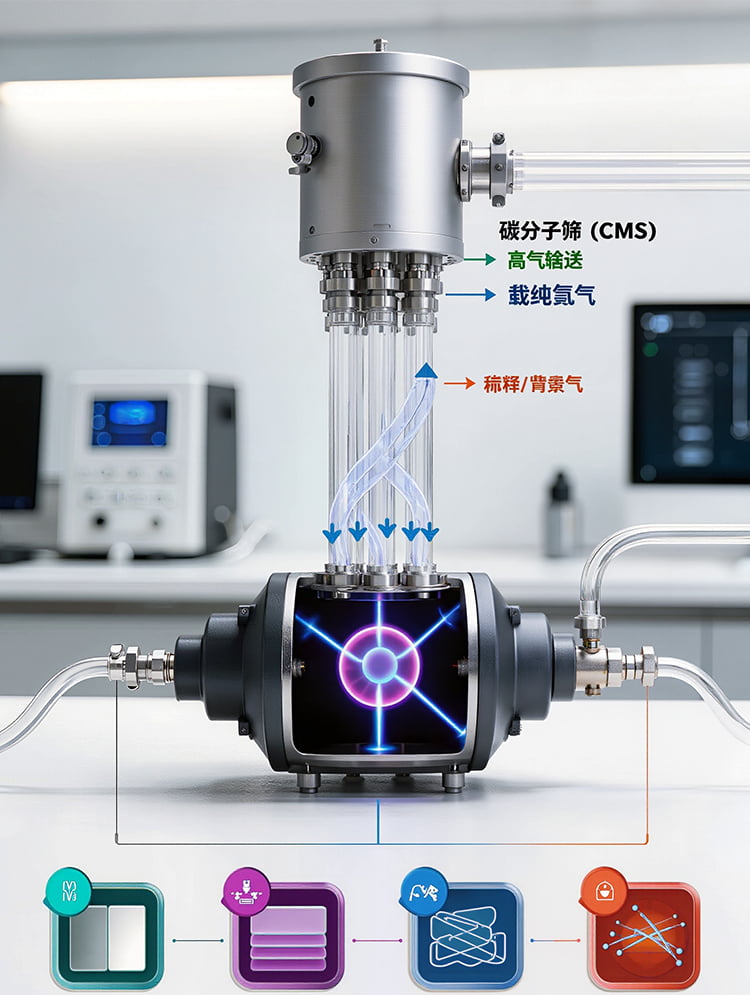
Process Control and Carrier Gas: It acts as a carrier gas to transport precursors, ensuring their uniform delivery into the reaction chamber. It also serves as a dilution or background gas to stabilize plasma, regulate reaction rates, and enhance thin-film uniformity as well as etching profile precision. Typical scenarios include: CVD/ALD, plasma etching, and ion implantation buffering.
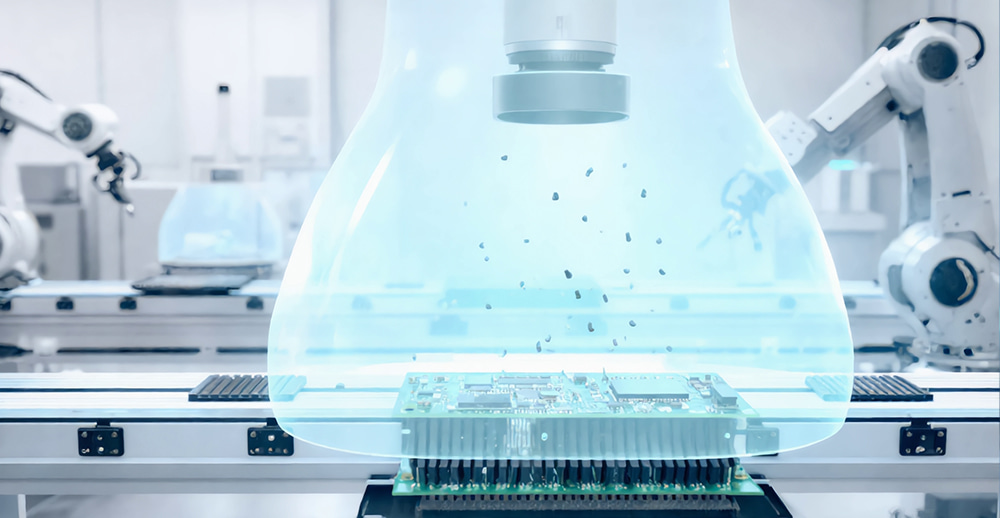
Purging and Purification: It thoroughly purges residual substances from equipment chambers and pipelines to prevent cross-contamination. Additionally, it maintains positive pressure within cleanrooms and establishes protective air curtain barriers. Typical scenarios include: chamber switching in lithography/etching tools, gas line switching, and cleanroom positive pressure maintenance.
Auxiliary and Specialized Applications: Protecting chips during high-temperature processes; inhibiting solder oxidation and enhancing wettability during SMT reflow and wave soldering; minimizing surface oxidation during laser processing; and providing an inert storage environment for sensitive components (such as magnetic heads and LEDs) to reduce failure rates.
Key Considerations: Purity and Cost
The semiconductor industry typically utilizes high-purity nitrogen (≥99.999%, or 5N), with advanced manufacturing processes imposing extremely stringent controls on oxygen, moisture, and particulate levels. From an engineering perspective, nitrogen offers excellent cost-effectiveness; it is more economical and possesses a broader range of applications than argon, making it the preferred choice for establishing the "ultra-clean, oxygen-free, and dry" environments essential to semiconductor manufacturing.
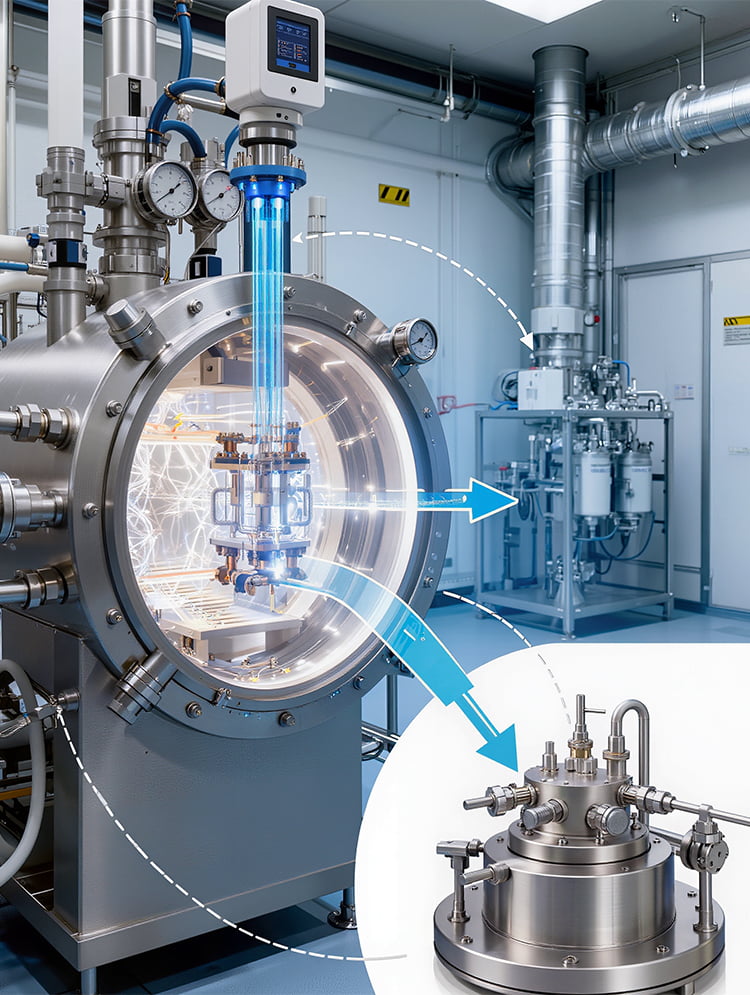
Carbon Molecular Sieve for Electronics & Semiconductor Nitrogen (5N Purity)
Application
ABOUT ZHUOXU
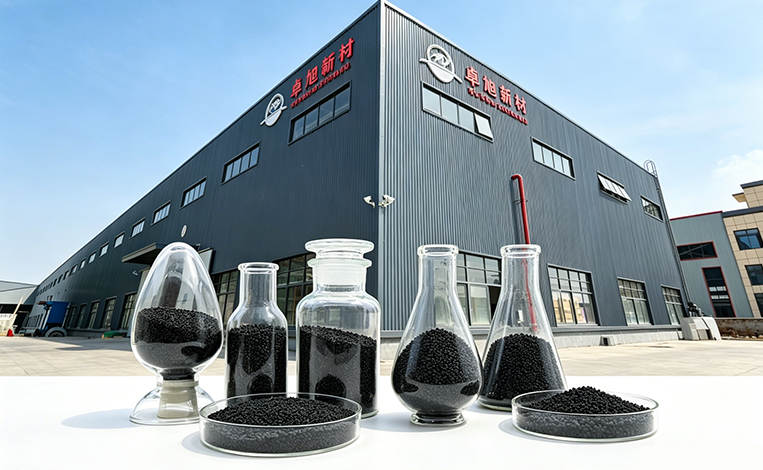
The company owns 21 core patents and ISO9001 certification, forming a closed-loop industrial chain covering porous carbon materials and nitrogen equipment services.
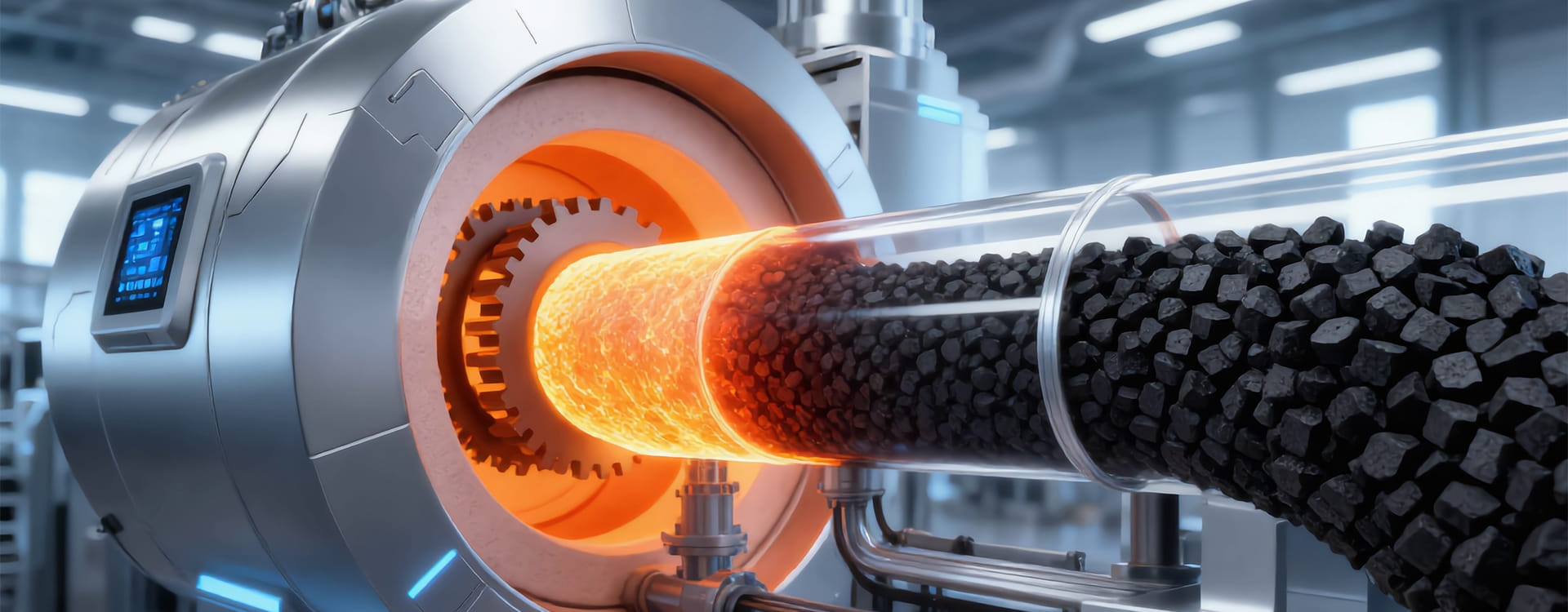
Our proprietary Resin-based Porous Carbon (RHC) technology takes polymer resin as the precursor and forms a highly stable hard carbon structure through high-temperature carbonization, enjoying irreplaceable advantages in sodium-ion batteries and supercapacitors. Electronics & Semiconductors Industry Carbon Molecular Sieve Manufacturers. Our products are sold nationwide and exported to Asia, South America, the Middle East and Southeast Asia. Through in-depth technical cooperation with universities and listed enterprises, we continuously promote the iterative upgrading of new energy materials and gas separation technologies.
NEWS & EVENTS
who we are

 E-mail
anhuilisa@126.com
E-mail
anhuilisa@126.com
 Phone
+86 18603224420
Phone
+86 18603224420
 Address
No. 26 Kunshan Road, Xuanzhou Economic Development Zone, Liqiao Town, Xuanzhou District, Xuancheng City, Anhui Province, P.R.China
Address
No. 26 Kunshan Road, Xuanzhou Economic Development Zone, Liqiao Town, Xuanzhou District, Xuancheng City, Anhui Province, P.R.China
Products
Application
About
Copyright Anhui Zhuoxu New Material Technology Co., Ltd. All rights reserved.
 Electronics & Semiconductors Industry Carbon Molecular Sieve Manufacturers