
 English
 中文简体
中文简体 русский
 Français
 Español
 عربى
عربى CONTACT US


How Carbon Molecular Sieve for Petrochemical Industry Keeps Refineries Running Safely
2026-08-19
Content
- 1 What Is Carbon Molecular Sieve and Why It Matters to Petrochemical Plants
- 2 How Carbon Molecular Sieve Separates Gases in Real Operations
- 3 Key Applications of Carbon Molecular Sieve Across the Petrochemical Industry
- 4 Choosing the Right Carbon Molecular Sieve for Your Plant
- 5 Maintenance and Lifespan Tips for Carbon Molecular Sieve Systems
- 6 Carbon Molecular Sieve Compared to Other Gas Separation Technologies
What Is Carbon Molecular Sieve and Why It Matters to Petrochemical Plants
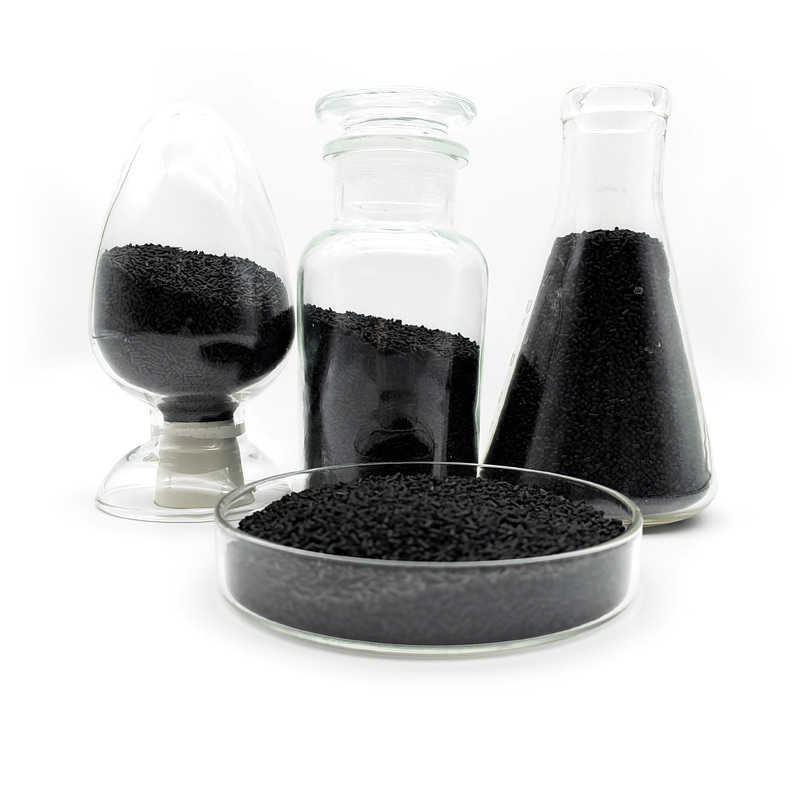
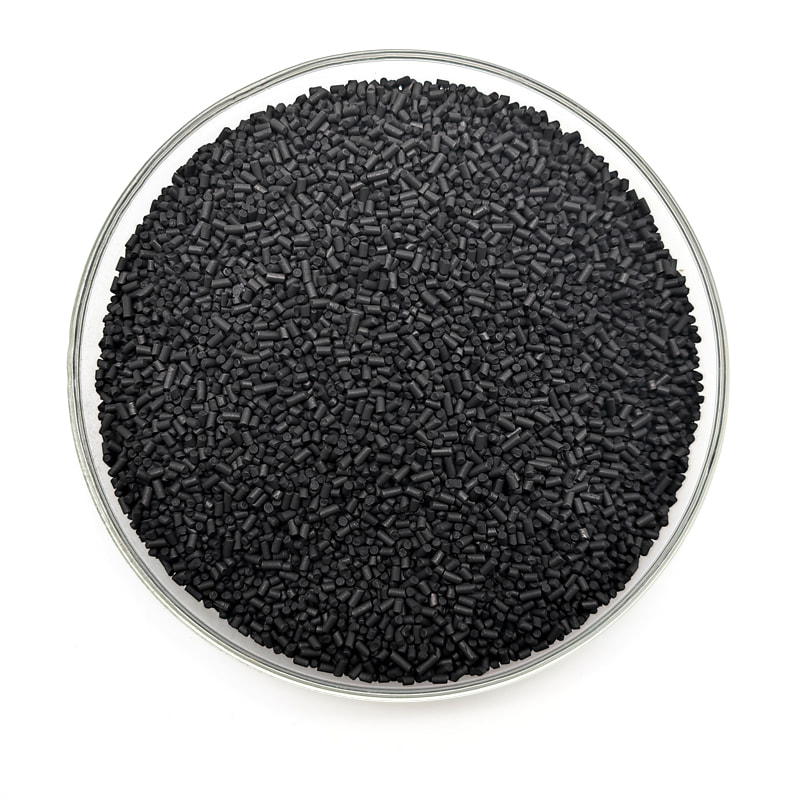
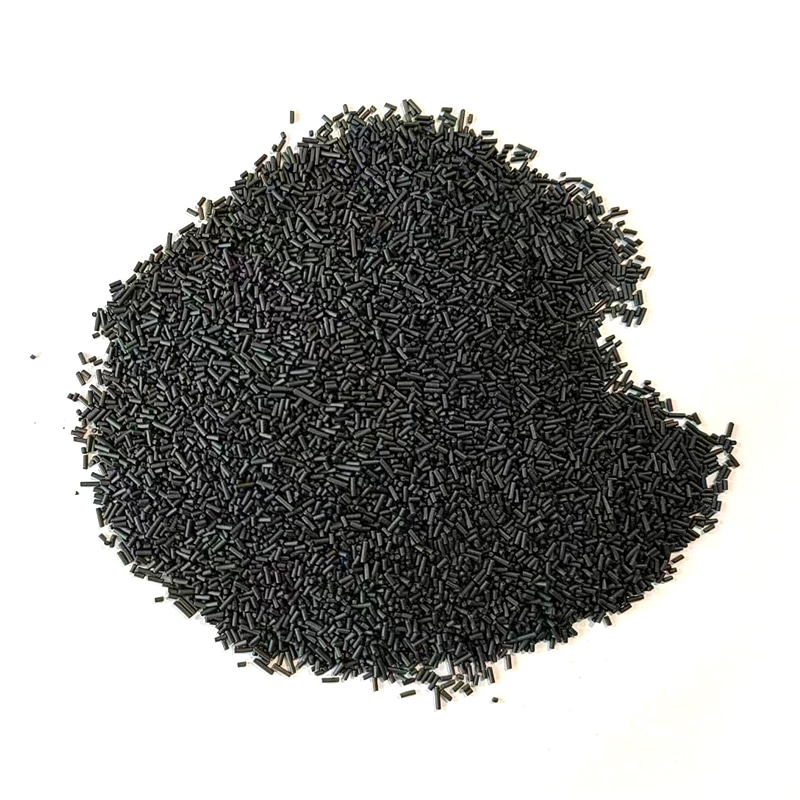
Carbon molecular sieve, often shortened to CMS, is a specially engineered form of activated carbon with a very narrow and uniform pore structure. Unlike ordinary activated carbon, which has a broad range of pore sizes and is mainly used for adsorbing impurities, carbon molecular sieve is designed so that its pores are almost identical in diameter. This precision allows it to separate gas molecules based on tiny differences in size, sometimes as small as a fraction of an angstrom. In the petrochemical industry, where gas streams often contain mixtures like nitrogen and oxygen, or hydrogen and methane, this kind of selective separation is extremely valuable. Plants use carbon molecular sieve to purify gases, recover valuable byproducts, and meet strict purity requirements for downstream chemical reactions.
The petrochemical sector depends heavily on consistent gas purity for processes such as catalytic reforming, hydrocracking, and polymer production. Even small amounts of contamination can poison catalysts, reduce product quality, or create safety hazards. This is why carbon molecular sieve for petrochemical industry applications has become a standard solution rather than a niche technology. It offers a practical, cost-effective way to achieve the separation performance that modern refineries and chemical plants require, without relying on more expensive or energy-intensive alternatives.
How Carbon Molecular Sieve Separates Gases in Real Operations
The separation mechanism behind carbon molecular sieve is based on differences in diffusion rates rather than simple physical filtering. When a gas mixture passes through a bed of CMS, smaller molecules like oxygen diffuse into the pores faster than larger molecules like nitrogen. By controlling the cycle time in a pressure swing adsorption system, operators can capture the faster-diffusing gas while allowing the slower one to pass through relatively untouched. This kinetic separation is what makes carbon molecular sieve so effective for applications like nitrogen generation, where nitrogen needs to be isolated from air with high purity.
The Role of Pore Size Distribution
Pore size distribution is the single most important factor determining how well a carbon molecular sieve performs. Manufacturers fine-tune the pore openings during production through controlled carbonization and pyrolysis of raw materials such as coal or coconut shell. A tighter, more uniform distribution means better selectivity, which translates into higher purity output and lower energy consumption per unit of gas processed. Plants evaluating suppliers should always ask for pore structure data, since this directly affects how the material will perform under their specific operating conditions.
Pressure Swing Adsorption Cycles
Most industrial systems using carbon molecular sieve rely on pressure swing adsorption, commonly called PSA. In this process, feed gas is pressurized and passed through the CMS bed, allowing the target gas to be adsorbed while the other component moves ahead. When the bed becomes saturated, pressure is released, which desorbs the captured gas and regenerates the sieve for another cycle. Because this cycle repeats continuously, the carbon molecular sieve experiences significant mechanical and thermal stress over time, which is why material durability is such an important consideration for petrochemical operators.
Key Applications of Carbon Molecular Sieve Across the Petrochemical Industry
Carbon molecular sieve is not limited to a single use case. Its versatility means it shows up in many stages of petrochemical processing, often behind the scenes but playing a critical role in overall plant efficiency and safety.
- On-site nitrogen generation for blanketing storage tanks and purging pipelines to prevent oxidation and fire risk
- Hydrogen recovery from refinery off-gases to reduce raw material costs and improve process economics
- Air separation for producing high-purity nitrogen used in instrument air systems and inerting operations
- Purification of natural gas streams to remove trace impurities before further chemical processing
- Supporting VOC recovery systems that capture volatile organic compounds released during production
Each of these applications relies on the same underlying principle of selective adsorption, but the operating parameters, bed design, and regeneration cycles are tailored to the specific gas mixture and purity target involved. Petrochemical engineers typically work closely with material suppliers to design systems that match their exact throughput and purity needs.
Choosing the Right Carbon Molecular Sieve for Your Plant
Selecting the correct grade of carbon molecular sieve is not something that should be rushed, since the wrong choice can lead to poor purity, excessive energy use, or premature material breakdown. Several factors need to be weighed together rather than in isolation, and plant engineers often run pilot tests before committing to a full-scale supply contract.
| Factor | Why It Matters |
| Pore Size Uniformity | Determines separation sharpness between similarly sized gas molecules |
| Crush Strength | Affects how well the material withstands repeated pressure cycling |
| Bulk Density | Impacts vessel sizing and overall system footprint |
| Regeneration Behavior | Influences energy costs and cycle time efficiency |
| Supplier Consistency | Ensures batch-to-batch performance remains stable over time |
Beyond the technical specifications, it is also worth considering the supplier's track record within the petrochemical industry specifically, since gas compositions and operating pressures in refineries can differ significantly from other industrial settings. A material that performs well in a food-grade nitrogen application may not hold up the same way under the more demanding conditions found in a petrochemical plant.
Maintenance and Lifespan Tips for Carbon Molecular Sieve Systems
Like any adsorbent material, carbon molecular sieve does not last forever, and its performance gradually declines as it is exposed to contaminants, moisture, and mechanical stress from repeated pressure cycles. However, with proper care, a well-maintained CMS bed can operate effectively for several years before replacement becomes necessary. Understanding what accelerates wear can help plant operators extend service life and avoid unplanned downtime.
Common Causes of Premature Degradation
- Moisture carryover into the adsorption bed, which can block pores and reduce capacity
- Oil or hydrocarbon fouling from upstream compressors that coats the carbon surface
- Excessive cycle frequency that pushes the material beyond its designed fatigue limits
- Improper bed loading that leads to uneven gas flow and localized wear
Practical Steps to Extend Service Life
Routine inspection of upstream filtration equipment is one of the simplest ways to protect a carbon molecular sieve bed, since keeping moisture and oil out of the feed gas prevents the majority of fouling issues. Operators should also monitor pressure drop across the bed over time, as a gradual increase often signals that the material is losing efficiency and may need attention. Scheduling periodic performance testing, rather than waiting for a noticeable drop in product purity, allows plants to plan replacement or partial recharging before it affects production output.
Carbon Molecular Sieve Compared to Other Gas Separation Technologies
Petrochemical companies sometimes weigh carbon molecular sieve against alternative separation methods such as membrane systems or cryogenic distillation. Each approach has its own strengths, and the right choice usually depends on the required purity level, gas volume, and available capital budget.
| Technology | Typical Purity | Best Fit |
| Carbon Molecular Sieve PSA | Up to 99.9995 percent nitrogen | Medium to large on-site nitrogen and hydrogen recovery |
| Membrane Separation | 95 to 99.5 percent nitrogen | Smaller scale or lower purity requirements |
| Cryogenic Distillation | Very high purity, over 99.999 percent | Very large scale continuous operations |
For most mid-sized petrochemical operations, carbon molecular sieve strikes a favorable balance between purity, energy efficiency, and capital cost. It avoids the extreme low temperatures required for cryogenic systems while still delivering purity levels that membranes typically cannot match, which is why it remains one of the most widely adopted solutions in the industry today.



 E-mail
anhuilisa@126.com
E-mail
anhuilisa@126.com
 Phone
+86 18603224420
Phone
+86 18603224420
 Address
No. 26 Kunshan Road, Xuanzhou Economic Development Zone, Liqiao Town, Xuanzhou District, Xuancheng City, Anhui Province, P.R.China
Address
No. 26 Kunshan Road, Xuanzhou Economic Development Zone, Liqiao Town, Xuanzhou District, Xuancheng City, Anhui Province, P.R.China
Copyright Anhui Zhuoxu New Material Technology Co., Ltd. All rights reserved.
 Carbon Molecular Sieve Manufacturer Carbon Molecular Sieve Supplier