
 English
 中文简体
中文简体 русский
 Français
 Español
 عربى
عربى CONTACT US


Carbon Molecular Sieve for Food Industry: A Simple Guide to Fresher, Longer-Lasting Food
2026-08-25
Content
- 1 What Is Carbon Molecular Sieve and Why Does the Food Industry Use It
- 2 How Carbon Molecular Sieve Actually Produces Nitrogen
- 3 Where Carbon Molecular Sieve Nitrogen Gets Used in Food Processing
- 4 Key Benefits Food Manufacturers Gain from Carbon Molecular Sieve Systems
- 5 Carbon Molecular Sieve Nitrogen vs Other Nitrogen Supply Methods
- 6 How to Choose the Right Carbon Molecular Sieve for Your Facility
- 7 Simple Maintenance Tips That Extend Carbon Molecular Sieve Lifespan
What Is Carbon Molecular Sieve and Why Does the Food Industry Use It
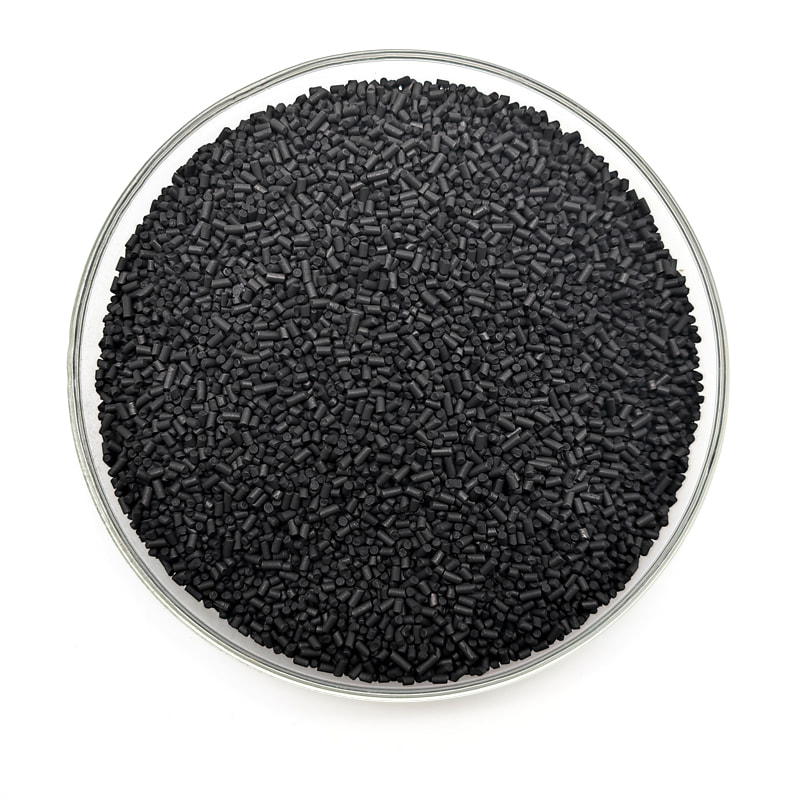
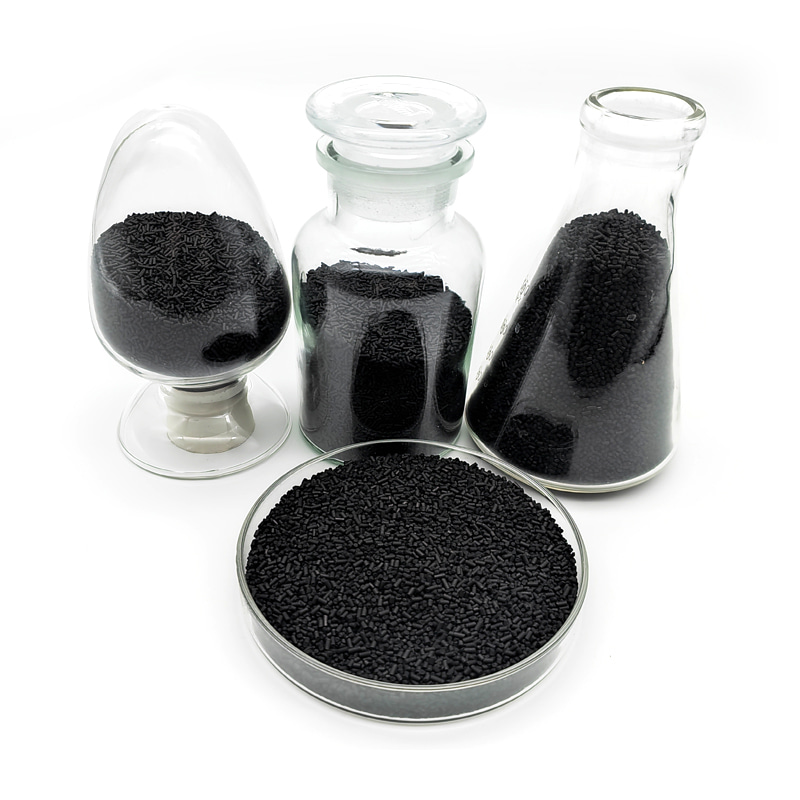
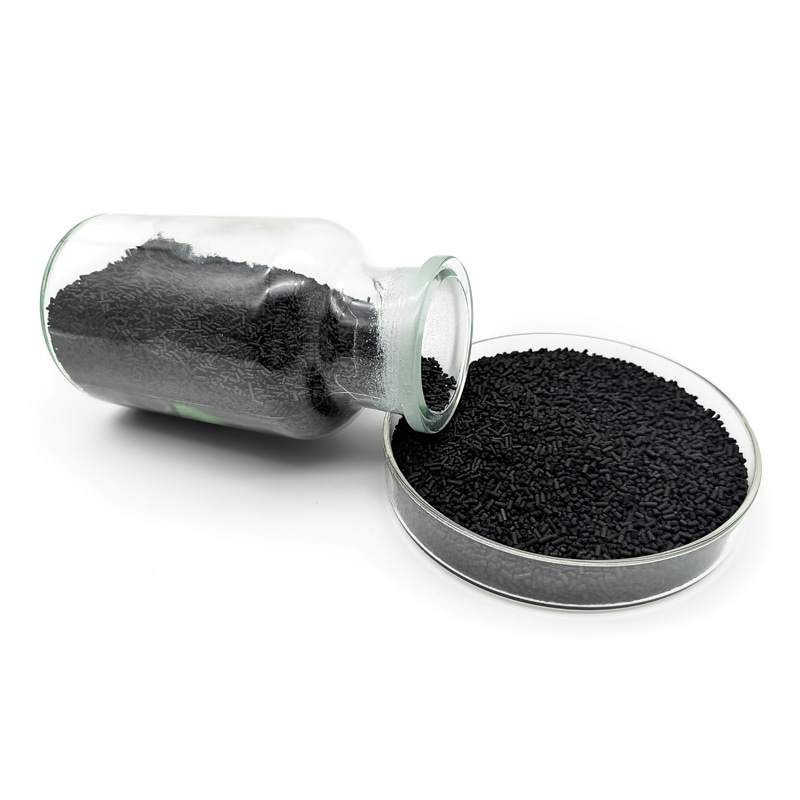
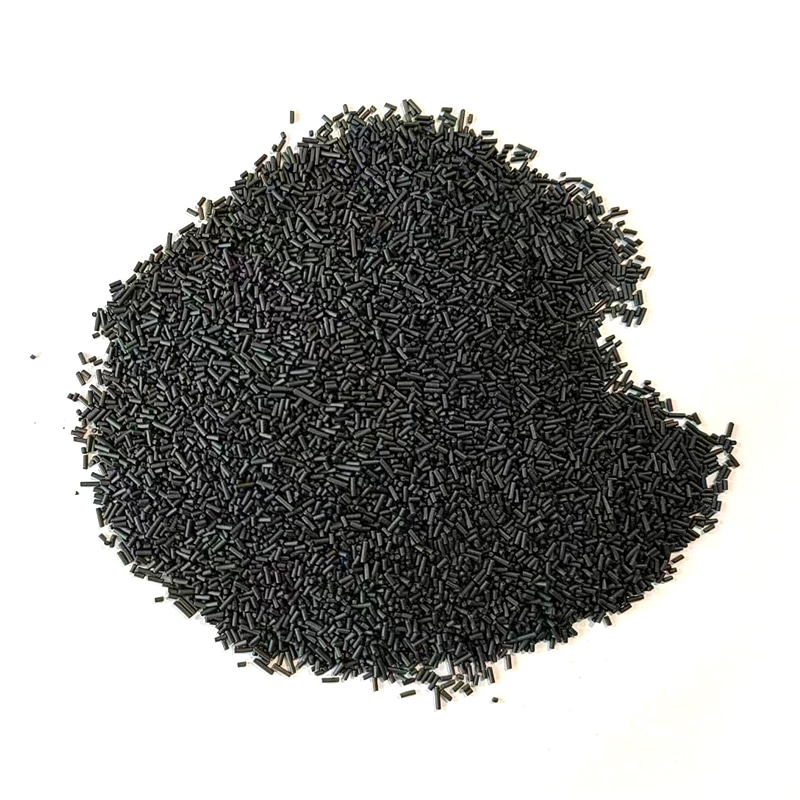
Carbon molecular sieve, often shortened to CMS, is a specially engineered form of activated carbon with tiny, uniform pores. These pores are so precisely sized that they can separate gas molecules based on how fast each one moves through the carbon structure. In the food industry, this property is incredibly useful because it allows manufacturers to separate nitrogen from ordinary air quickly and affordably, without needing expensive cryogenic equipment.
When food comes into contact with oxygen, it triggers a chain of reactions that cause spoilage, discoloration, rancidity, and bacterial growth. Carbon molecular sieve for food industry use solves this problem by making it easy to produce a steady, on-site supply of nitrogen gas, which is then used to push oxygen out of food packaging, storage containers, or entire processing environments.
How Carbon Molecular Sieve Actually Produces Nitrogen
The process behind carbon molecular sieve nitrogen generation is called Pressure Swing Adsorption, or PSA. It sounds technical, but the idea is fairly simple once you break it down.
Step-by-Step Breakdown of the PSA Process
- Compressed air is pushed into a vessel filled with carbon molecular sieve material.
- Oxygen molecules move faster and get trapped inside the tiny pores of the carbon.
- Nitrogen molecules, being slightly larger and slower, pass through and collect at the outlet.
- Once the carbon becomes saturated with oxygen, the pressure is released, purging the trapped gas out.
- Two vessels typically work in alternating cycles, so the system produces a continuous, uninterrupted flow of nitrogen.
This cycle repeats many times per minute, and the result is a dependable stream of nitrogen gas with purity levels that can be adjusted depending on what the food product actually needs.
Where Carbon Molecular Sieve Nitrogen Gets Used in Food Processing
Once nitrogen is generated on-site using carbon molecular sieve, it gets applied at several different points in the food supply chain. Each application targets a different spoilage risk.
Modified Atmosphere Packaging (MAP)
This is the most common use. Nitrogen replaces the oxygen inside snack bags, meat trays, cheese packs, and coffee pouches. Without oxygen, fats can't oxidize, mold can't grow as easily, and the food keeps its color and texture much longer.
Storage Silo and Warehouse Blanketing
Grains, nuts, and dried goods stored in bulk silos are often blanketed with nitrogen to prevent insect infestation and slow down the oxidation that leads to rancid flavors over time.
Beverage and Liquid Food Protection
Wine, juice, and edible oil producers use nitrogen to fill the empty headspace in bottles and tanks, preventing oxidation that would otherwise affect taste, color, and nutritional value.
Key Benefits Food Manufacturers Gain from Carbon Molecular Sieve Systems
Switching to carbon molecular sieve for food industry nitrogen generation offers advantages that go beyond just keeping food fresh.
- Longer shelf life, which reduces waste and returns from retailers.
- Lower long-term operating costs compared to purchasing bottled or delivered nitrogen.
- On-demand supply, meaning production doesn't stop while waiting on nitrogen deliveries.
- Better preservation of color, flavor, and texture, which keeps products looking appealing on the shelf.
- A safer alternative to chemical preservatives, appealing to health-conscious consumers.
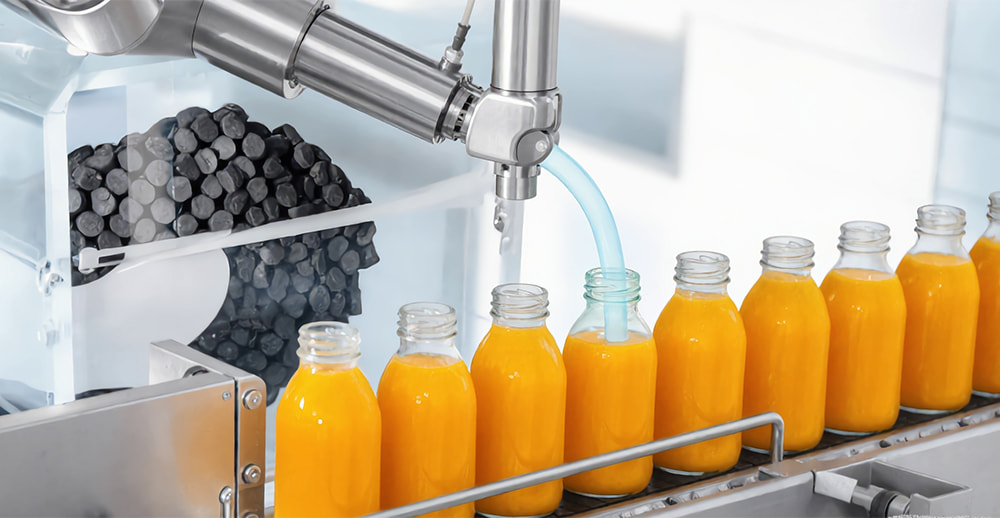
Carbon Molecular Sieve Nitrogen vs Other Nitrogen Supply Methods
Food manufacturers typically choose between three main ways to get nitrogen. Here's how carbon molecular sieve systems compare.
| Method | Typical Purity | Upfront Cost | Ongoing Cost | Supply Reliability |
| Carbon Molecular Sieve (PSA) | 95% - 99.9% | Moderate | Low | Continuous, on-site |
| Liquid Nitrogen Delivery | Up to 99.999% | Low | High | Depends on delivery schedule |
| Membrane Nitrogen Generator | 90% - 99.5% | Moderate | Low to Moderate | Continuous, on-site |
For most food packaging needs, carbon molecular sieve systems hit a practical sweet spot between purity, cost, and reliability, which is why so many mid-size and large food producers rely on them.
How to Choose the Right Carbon Molecular Sieve for Your Facility
Not all carbon molecular sieve products perform the same way. When evaluating options for a food production line, a few factors matter most.
Pore Size Consistency
Uniform pore distribution means more predictable separation performance and less wasted energy during each PSA cycle.
Nitrogen Purity Requirements
Fresh produce packaging might only need 95% purity, while sensitive products like coffee or dried meat snacks may require 99% or higher. Choosing sieve material rated for your specific purity target avoids overspending on unnecessary capacity.
Mechanical Strength and Attrition Resistance
Because the sieve granules go through thousands of pressure cycles, low-quality material breaks down into dust over time, reducing efficiency and increasing pressure drop. Higher attrition resistance means a longer working lifespan.
Simple Maintenance Tips That Extend Carbon Molecular Sieve Lifespan
A well-maintained carbon molecular sieve system can run efficiently for many years. Keeping it in good shape doesn't require constant attention, just consistent habits.
- Keep incoming compressed air clean and dry, since moisture and oil residue clog the pores over time.
- Monitor pressure drop regularly, as a sudden increase often signals contamination or material breakdown.
- Replace pre-filters on schedule to stop particulates from ever reaching the sieve bed.
- Avoid exposing the system to temperature extremes outside the manufacturer's recommended range.
- Schedule periodic performance testing to confirm nitrogen purity output hasn't drifted.
Following these habits helps food manufacturers get the full expected service life out of their carbon molecular sieve investment, often five years or more before replacement is needed.


 E-mail
anhuilisa@126.com
E-mail
anhuilisa@126.com
 Phone
+86 18603224420
Phone
+86 18603224420
 Address
No. 26 Kunshan Road, Xuanzhou Economic Development Zone, Liqiao Town, Xuanzhou District, Xuancheng City, Anhui Province, P.R.China
Address
No. 26 Kunshan Road, Xuanzhou Economic Development Zone, Liqiao Town, Xuanzhou District, Xuancheng City, Anhui Province, P.R.China
Copyright Anhui Zhuoxu New Material Technology Co., Ltd. All rights reserved.
 Carbon Molecular Sieve Manufacturer Carbon Molecular Sieve Supplier