
 English
 中文简体
中文简体 русский
 Français
 Español
 عربى
عربى CONTACT US


Carbon Molecular Sieve for Semiconductor Nitrogen: How Fabs Make Their Own Ultra-Pure N2
2026-08-13
Content
- 1 Why Semiconductor Fabs Can't Just Buy Nitrogen Off the Shelf
- 2 What Carbon Molecular Sieve Actually Is
- 3 Inside a CMS Nitrogen Generator: The PSA Process Step by Step
- 4 How Pure Does the Nitrogen Actually Get?
- 5 Choosing the Right Carbon Molecular Sieve for Your Fab
- 6 Keeping a CMS System Running: Maintenance and Lifespan
- 7 On-Site CMS Generation vs. Delivered Liquid Nitrogen: What It Actually Costs
- 8 Common Problems and How to Troubleshoot Them
Why Semiconductor Fabs Can't Just Buy Nitrogen Off the Shelf
Nitrogen is one of the most consumed gases in a semiconductor fab, used for purging chambers, blanketing reactive process steps, drying wafers, and preventing oxidation during storage and transport. The problem is that fabs need enormous volumes of it, continuously, and any contamination — even trace oxygen or moisture — can ruin a wafer batch worth thousands of dollars. Trucking in liquid nitrogen works for smaller operations, but as fabs scale up, the logistics, cost, and supply-chain risk of relying on outside deliveries become a real liability. This is exactly the gap that carbon molecular sieve for semiconductor nitrogen generation was built to fill: it lets a fab produce its own nitrogen on demand, right where it's needed, using nothing more exotic than compressed air and a smart separation process.
On-site generation also removes the dependency on tanker schedules, weather delays, and regional gas shortages. A fab that generates its own nitrogen through a carbon molecular sieve system controls its own supply, which matters a great deal when a single unplanned nitrogen outage can shut down an entire production line.
What Carbon Molecular Sieve Actually Is
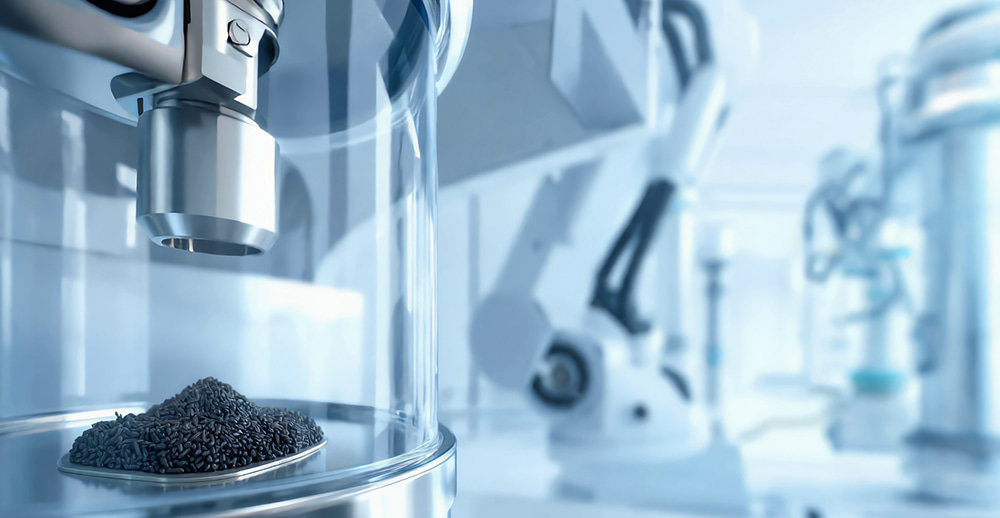
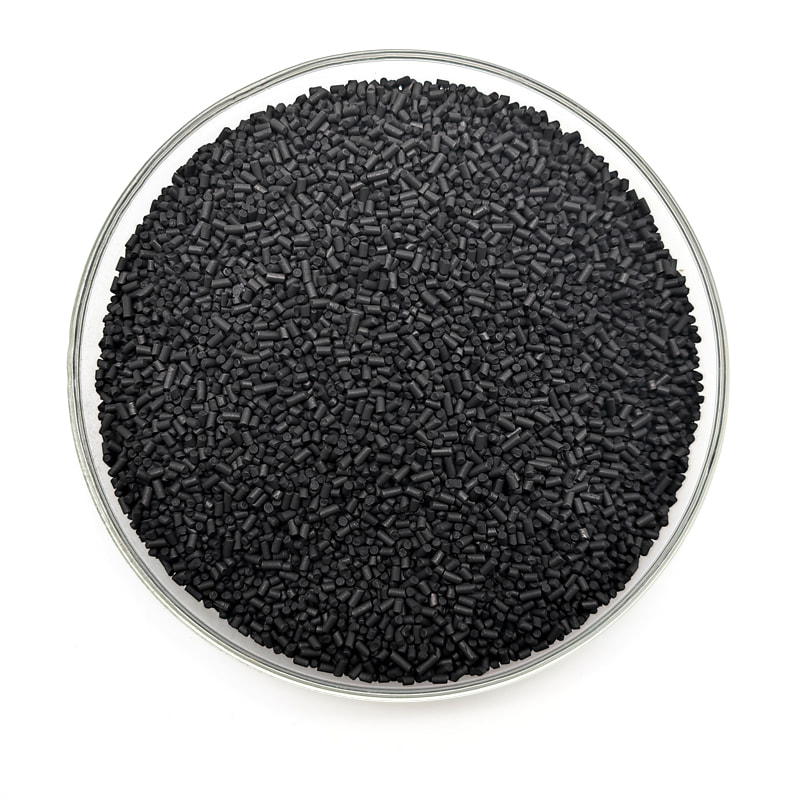
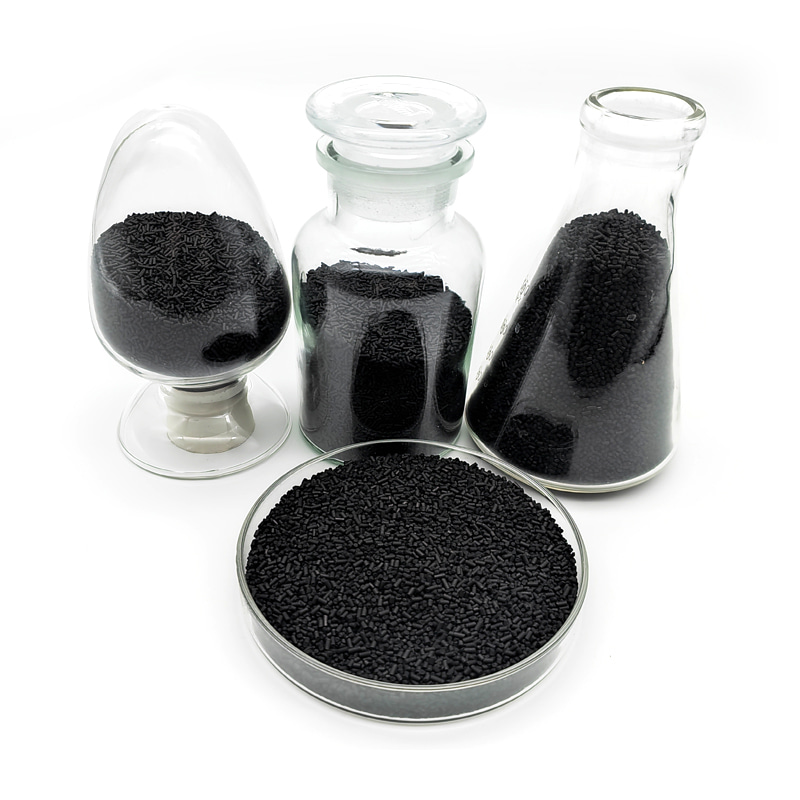
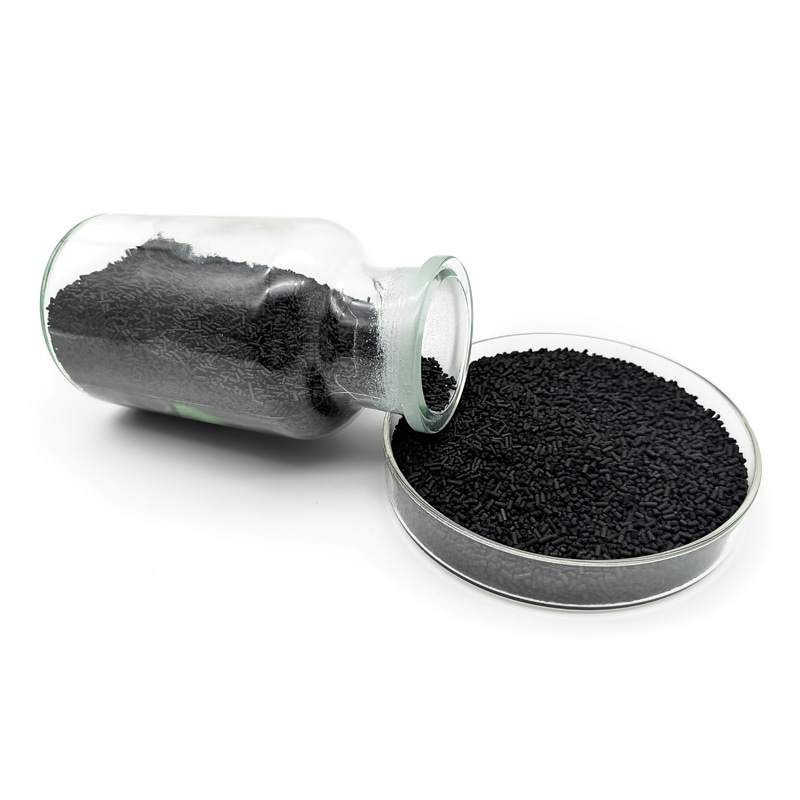
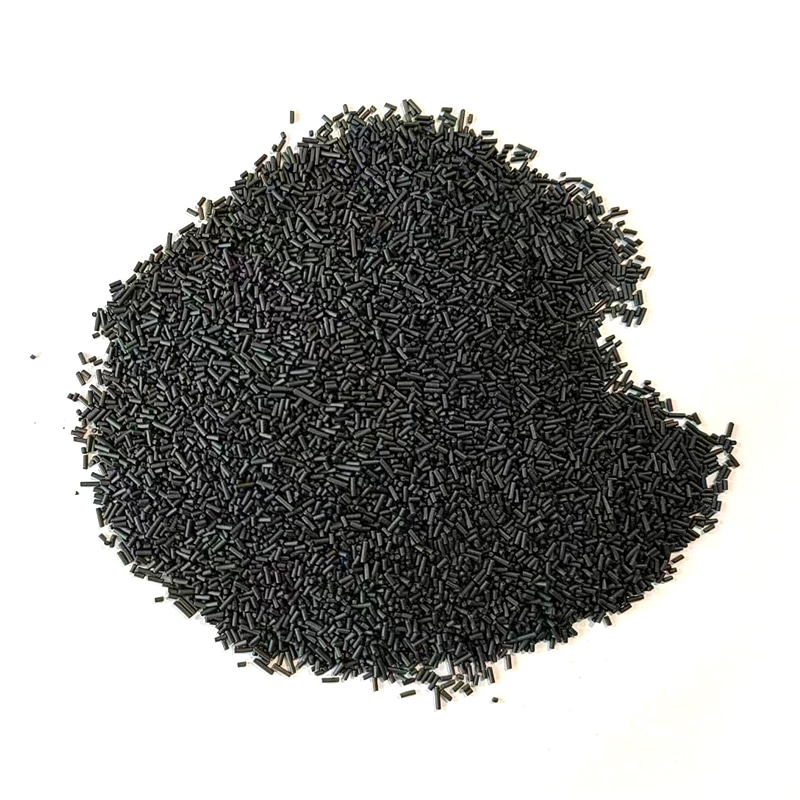
Carbon molecular sieve, usually shortened to CMS, is a specially engineered form of activated carbon. What makes it different from ordinary activated carbon is the size and uniformity of its pores. Those pores are cut to a scale so precise that they can tell the difference between an oxygen molecule and a nitrogen molecule — two gases that are almost the same size but not quite.
The Trick Behind the Separation
Oxygen molecules are slightly smaller than nitrogen molecules and diffuse into the carbon's micropores faster. When compressed air is pushed through a bed of CMS, oxygen gets absorbed into the pore structure quickly while nitrogen molecules mostly pass through and collect downstream. It's not a filter in the traditional sense — nothing is physically screened out by size alone. It's a difference in diffusion speed, and that difference is what a well-designed CMS system exploits to isolate nitrogen from ordinary air.
Inside a CMS Nitrogen Generator: The PSA Process Step by Step
Most carbon molecular sieve nitrogen generators run on a method called Pressure Swing Adsorption, or PSA. The name describes exactly what happens: pressure is cycled up and down across two or more carbon beds so that one bed is separating nitrogen while the other is being cleared out and reset.
- Compressed, dried, and filtered air enters the first CMS bed under high pressure.
- Oxygen, along with trace carbon dioxide and moisture, is preferentially adsorbed into the carbon's pores.
- The remaining gas, now enriched nitrogen, exits the top of the bed and flows to a buffer tank or directly to the fab's distribution line.
- Before the bed becomes saturated, the system switches feed flow to a second bed so separation continues without interruption.
- The first bed is depressurized, releasing the adsorbed oxygen back into the atmosphere, and is ready to be used again within seconds.
This constant swing between beds is why the output is continuous rather than batch-based. A properly sized system can supply nitrogen around the clock without ever fully stopping production, which is essential for a fab that can't tolerate gaps in its inert atmosphere.
How Pure Does the Nitrogen Actually Get?
Purity is the number every fab engineer cares about most, because different process steps demand different tolerances. A carbon molecular sieve system's output purity depends on bed size, cycle time, feed air quality, and how many separation stages are used. Broadly, fabs work within these ranges:
| Purity Level | Typical Fab Use |
| 95% – 99% | General purging, blanketing, non-critical utilities |
| 99.5% – 99.9% | Wafer storage cabinets, load-lock purging |
| 99.999%+ (with polishing stage) | Critical process chambers, ultra-clean environments |
For the highest purity tiers, a CMS PSA system is often paired with a secondary polishing unit, such as a catalytic deoxo purifier or an additional adsorption stage, to strip out the last few parts per million of residual oxygen. Fabs rarely rely on CMS alone when ultra-high purity is required for the most sensitive process chambers — it's the workhorse for the bulk of the volume, with polishing handling the final stretch.
Choosing the Right Carbon Molecular Sieve for Your Fab
Not all carbon molecular sieve is interchangeable. Selecting the wrong grade can mean paying for capacity you don't need, or worse, falling short of the purity a process step demands.
Factors That Actually Matter
- Pore size distribution — tighter, more uniform pores generally give higher nitrogen purity but slower flow rates.
- Required nitrogen purity and flow rate for your specific process steps, not just an average across the fab.
- Feed air quality — dirtier or wetter compressed air shortens sieve life and lowers achievable purity.
- Bed configuration — two-bed systems are common for moderate demand, while multi-bed or multi-stage setups suit large, continuous fab operations.
- Vendor track record with semiconductor-grade applications specifically, since food or beverage-grade CMS systems are not built to the same purity standards.
It's worth sizing the system for peak demand plus a reasonable growth margin, since undersized CMS beds are one of the most common causes of purity drift once a fab ramps up production.
Keeping a CMS System Running: Maintenance and Lifespan
A carbon molecular sieve bed is not a consumable that needs replacing every few months. Under normal conditions, CMS can last anywhere from five to ten years or more, since the separation process doesn't chemically alter the carbon — it's a physical adsorption cycle, not a reaction. That said, lifespan depends heavily on how clean the incoming air is kept.
What Shortens Sieve Life
Oil carryover from compressors, excess moisture, and particulate contamination are the main culprits behind premature CMS degradation. These contaminants coat the pore surfaces and block the adsorption sites that make separation possible in the first place. This is why pre-filtration, quality dryers, and coalescing filters upstream of the CMS beds aren't optional extras — they're what protects the investment in the sieve itself.
Routine Checks Worth Scheduling
- Monitor outlet purity continuously with an oxygen analyzer to catch drift early.
- Inspect and replace pre-filters on the manufacturer's recommended schedule.
- Check valve and cycle timing periodically, since a sticking valve can throw off the pressure swing and quietly degrade purity.
- Log compressor performance, since a struggling compressor upstream is a common root cause of CMS underperformance.
On-Site CMS Generation vs. Delivered Liquid Nitrogen: What It Actually Costs
The upfront cost of a carbon molecular sieve nitrogen generator is higher than simply signing a supply contract for liquid nitrogen deliveries. But that comparison only tells part of the story. Delivered liquid nitrogen carries ongoing costs for every tanker, plus storage tank rental, boil-off losses, and exposure to price swings tied to regional gas markets. A CMS system, once installed, mainly costs electricity to run the air compressor and periodic maintenance — no delivery fees, no boil-off, and no dependency on a supplier's logistics.
For fabs with high, steady nitrogen demand, the payback period on a CMS system is often measured in a couple of years, after which on-site generation is meaningfully cheaper per unit of nitrogen than continuing deliveries. Smaller or highly variable operations sometimes find a hybrid approach works best: a CMS generator for baseline demand, backed by liquid nitrogen delivery for demand spikes or as an emergency reserve if the generator ever goes offline.
Common Problems and How to Troubleshoot Them
Even well-designed carbon molecular sieve systems run into issues over time, and most of them trace back to a handful of root causes.
- Falling purity: usually feed air contamination, a failing pre-filter, or a CMS bed nearing the end of its usable life.
- Inconsistent flow rate: often a sign of valve wear or an imbalance in the pressure swing timing between beds.
- Higher than expected energy use: frequently traced back to an oversized compressor running against undersized CMS bed capacity.
- Sudden purity crashes: check for a burst filter element or moisture breakthrough from a failed dryer first, since these are the fastest-acting causes.
Keeping a maintenance log alongside real-time purity monitoring makes these issues far easier to catch before they affect production, turning what could be a costly wafer scrap event into a routine filter change.


 E-mail
anhuilisa@126.com
E-mail
anhuilisa@126.com
 Phone
+86 18603224420
Phone
+86 18603224420
 Address
No. 26 Kunshan Road, Xuanzhou Economic Development Zone, Liqiao Town, Xuanzhou District, Xuancheng City, Anhui Province, P.R.China
Address
No. 26 Kunshan Road, Xuanzhou Economic Development Zone, Liqiao Town, Xuanzhou District, Xuancheng City, Anhui Province, P.R.China
Copyright Anhui Zhuoxu New Material Technology Co., Ltd. All rights reserved.
 Carbon Molecular Sieve Manufacturer Carbon Molecular Sieve Supplier