
 English
 中文简体
中文简体 русский
 Français
 Español
 عربى
عربى CONTACT US


Carbon Molecular Sieve Explained: What It Is, How It Works, and Where It's Used
2026-08-05
Content
What Is Carbon Molecular Sieve?
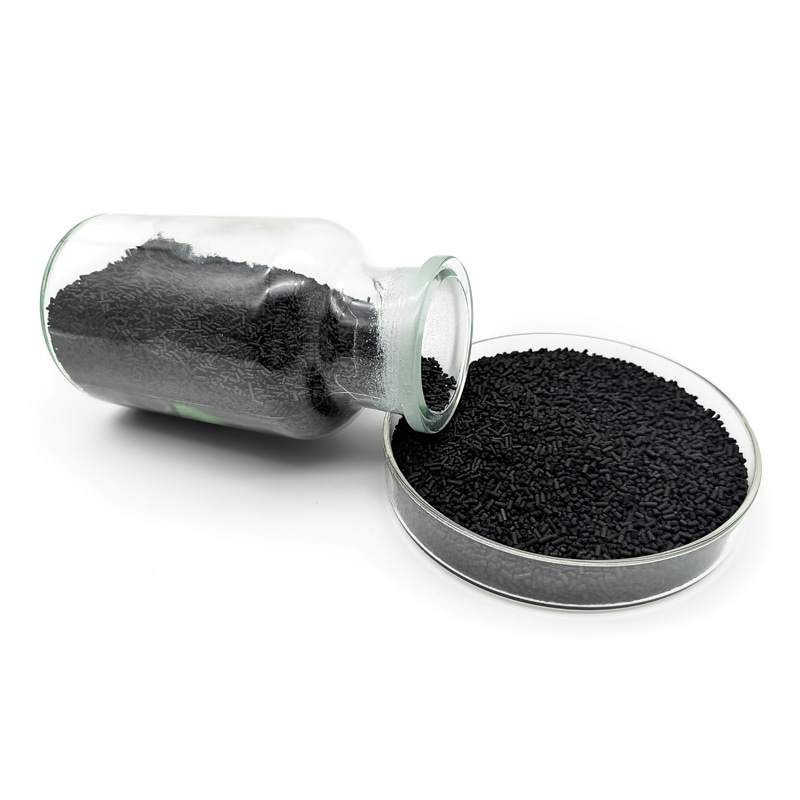
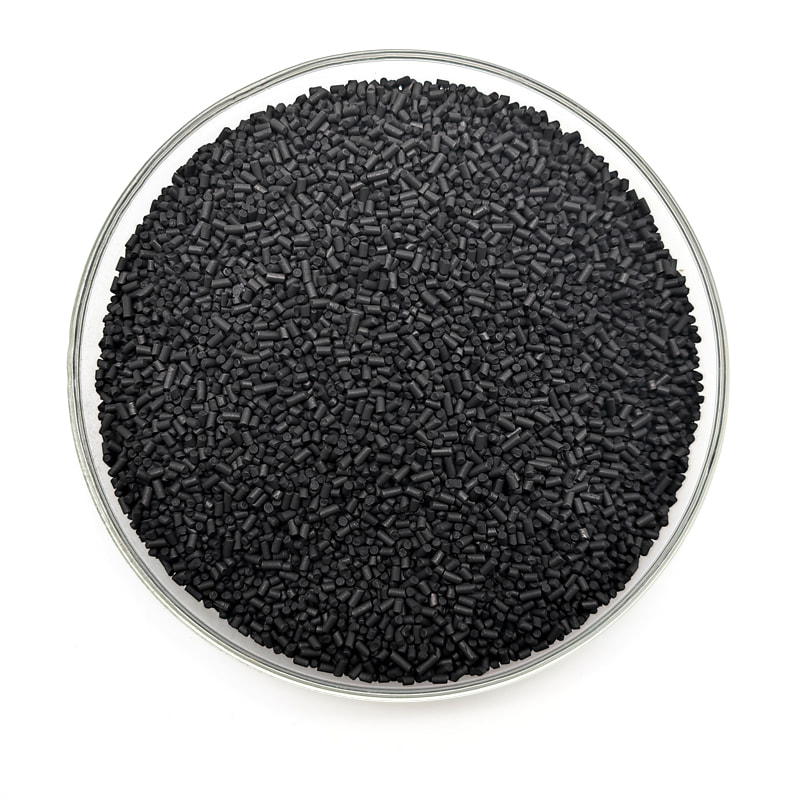
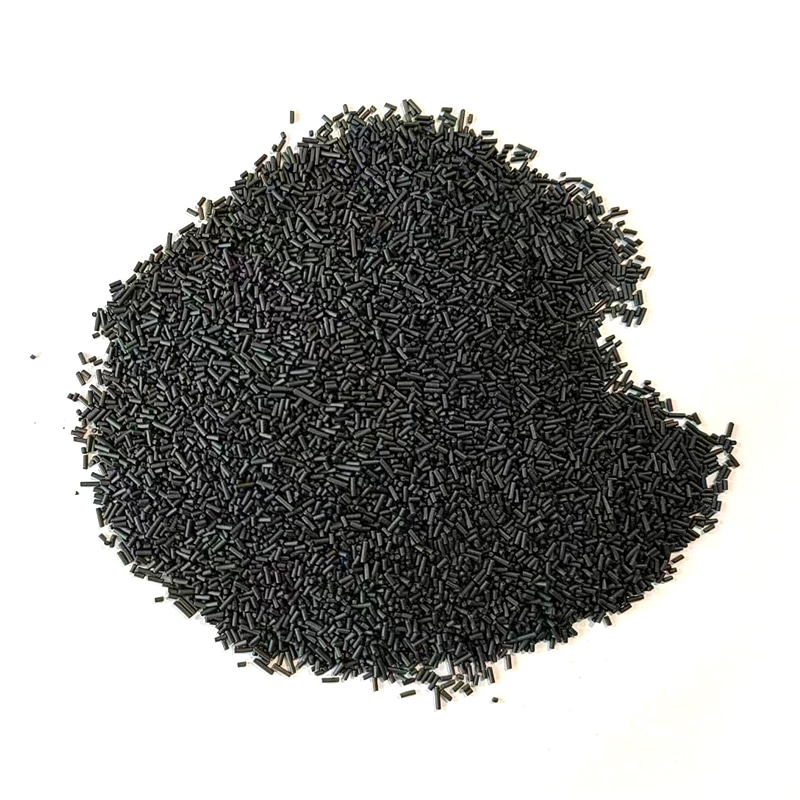
Carbon molecular sieve, often shortened to CMS, is a specially engineered form of activated carbon designed to separate gas molecules based on their size rather than their chemical properties. Unlike standard activated carbon, which mainly relies on adsorption through surface area and porosity, carbon molecular sieve is manufactured with extremely narrow and controlled pore openings, typically in the range of 3 to 5 angstroms. This tight pore structure allows smaller gas molecules, such as oxygen, to pass through and be adsorbed quickly, while larger molecules, such as nitrogen, move past almost untouched. Because of this precise size-selective behavior, carbon molecular sieve has become the material of choice for industrial gas separation, especially in systems that need to produce a steady, reliable stream of high-purity nitrogen.
The raw material for carbon molecular sieve is usually coal or coconut shell char, which is carbonized and then treated through a controlled pore-narrowing process. Manufacturers fine-tune the pore size distribution using techniques like chemical vapor deposition, which deposits a thin carbon layer on the pore walls to shrink the opening to the exact diameter needed. This is what separates a true carbon molecular sieve from ordinary activated carbon, and it's also why the quality of a CMS product can vary so much between suppliers.
How Does Carbon Molecular Sieve Separate Gases?
The separation process relies on a principle called kinetic diameter difference combined with differing diffusion rates. Oxygen molecules are slightly smaller and diffuse into the carbon pores faster than nitrogen molecules, even though the two gases are close in size. In a pressure swing adsorption system, commonly called PSA, compressed air is pushed through a bed of carbon molecular sieve. Oxygen, carbon dioxide, and moisture get adsorbed into the pore structure quickly, while nitrogen passes through and exits as a high-purity gas stream.
The Adsorption Phase
During this phase, compressed air enters the carbon molecular sieve bed under pressure. Oxygen and other small molecules diffuse into the pores and are trapped, while nitrogen continues through the vessel and is collected as product gas. This phase typically lasts anywhere from 20 to 60 seconds, depending on the system design and desired purity level.
The Regeneration Phase
Once the bed becomes saturated with oxygen, the system depressurizes the vessel, releasing the adsorbed gases back into the atmosphere or venting them out. This regeneration step resets the carbon molecular sieve so it can be used again in the next adsorption cycle. Most industrial PSA nitrogen generators use two beds working in alternating cycles, so one bed is always producing nitrogen while the other is regenerating.
Where Is Carbon Molecular Sieve Used?
Carbon molecular sieve plays a role in a surprising number of industries that need a dependable, on-site source of nitrogen or need to protect materials from oxidation. Below are some of the most common applications:
- Nitrogen generation for fire suppression and inerting systems on ships, fuel tanks, and warehouses
- Food and beverage packaging, where nitrogen replaces oxygen to extend shelf life
- Electronics manufacturing, where nitrogen prevents oxidation during soldering and component assembly
- Chemical and pharmaceutical tank blanketing to keep products stable and free from moisture
- Laser cutting operations, where high-purity nitrogen improves cut quality on metal sheets
- Metal heat treatment processes that require an oxygen-free atmosphere to prevent scaling
In nearly all of these cases, generating nitrogen on-site with a carbon molecular sieve system is far more cost-effective than purchasing bottled or delivered nitrogen, especially for facilities with continuous or high-volume gas demand.
Carbon Molecular Sieve vs Zeolite Molecular Sieve
People sometimes confuse carbon molecular sieve with zeolite molecular sieve, but the two materials work in opposite ways and are used for different purposes. Zeolite is typically used to produce oxygen by adsorbing nitrogen, while carbon molecular sieve is used to produce nitrogen by adsorbing oxygen. The table below breaks down the key differences.
| Feature | Carbon Molecular Sieve | Zeolite Molecular Sieve |
| Primary Gas Produced | Nitrogen | Oxygen |
| Separation Basis | Molecular size and diffusion speed | Polarity and molecular attraction |
| Typical Purity Range | 95% to 99.9995% | 90% to 95% |
| Sensitivity to Moisture | Low | High |
How to Choose the Right Carbon Molecular Sieve
Not all carbon molecular sieve products perform the same way, and picking the wrong grade can lead to lower nitrogen purity, higher energy costs, or a shorter service life for your PSA system. Here are the main factors to evaluate before making a purchase:
- Pore size distribution, which determines how sharply oxygen and nitrogen are separated
- Nitrogen adsorption capacity, which affects how much product gas can be generated per cycle
- Crush strength, since weaker particles break down faster under repeated pressure cycling
- Bulk density, which influences how much material is needed to fill a given vessel
- Mesh size, commonly available in 4x8, 8x16, and 16x30, matched to your vessel design
- Required nitrogen purity level for your specific application
Working with a supplier who can provide test data on adsorption performance and cycle life will help you avoid guesswork and choose a product that matches your operating conditions.
Tips for Maintaining Carbon Molecular Sieve Performance
Carbon molecular sieve can last for many years if it's properly cared for, but performance can degrade if certain conditions are ignored. Keeping incoming compressed air clean and dry is one of the most important steps, since oil vapor and excess moisture can coat the pore surfaces and reduce adsorption efficiency over time. Installing proper pre-filtration, including coalescing filters and a quality air dryer, protects the carbon molecular sieve bed from contamination.
Regularly monitoring nitrogen purity output is another good practice, since a gradual drop in purity often signals that the material is nearing the end of its usable life or that the PSA cycle timing needs adjustment. Most systems also benefit from periodic checks of valve function and pressure levels, since inconsistent cycling can put unnecessary stress on the carbon bed and shorten its lifespan.



 E-mail
anhuilisa@126.com
E-mail
anhuilisa@126.com
 Phone
+86 18603224420
Phone
+86 18603224420
 Address
No. 26 Kunshan Road, Xuanzhou Economic Development Zone, Liqiao Town, Xuanzhou District, Xuancheng City, Anhui Province, P.R.China
Address
No. 26 Kunshan Road, Xuanzhou Economic Development Zone, Liqiao Town, Xuanzhou District, Xuancheng City, Anhui Province, P.R.China
Copyright Anhui Zhuoxu New Material Technology Co., Ltd. All rights reserved.
 Carbon Molecular Sieve Manufacturer Carbon Molecular Sieve Supplier