
 English
 中文简体
 русский
 Français
 Español
 عربى
 CONTACT US


Carbon Molecular Sieve for Food Industry: Nitrogen Purity and Packaging Guide
2026-09-30
Content
- 1 What Is a Carbon Molecular Sieve?
- 2 Why Food Manufacturers Use CMS Nitrogen
- 3 Key Food Industry Applications for CMS Nitrogen
- 4 How to Select the Right Carbon Molecular Sieve
- 5 Quality, Safety, and Compliance Considerations
- 6 Maintenance and Performance Tips
- 7 Why Work with Zhuoxu for Food Industry CMS
- 8 Frequently Asked Questions
Food manufacturers depend on reliable nitrogen to protect flavor, color, texture, and shelf life. From modified atmosphere packaging to beverage filling and bulk storage, nitrogen keeps oxygen away from sensitive products. At the heart of many on-site nitrogen systems is a carbon molecular sieve (CMS), a specialized porous carbon material that separates oxygen from nitrogen in air. As a CMS producer with deep experience in porous carbon and gas separation, we at Anhui Zhuoxu want to share practical guidance on how CMS works in food industry applications and what to consider when selecting a material for your nitrogen generator.
What Is a Carbon Molecular Sieve?
A carbon molecular sieve is a carbon-based adsorbent with precisely controlled pore openings, usually in the range of 3 to 4 angstroms. Under pressure, oxygen molecules diffuse into these pores faster than nitrogen molecules. This kinetic selectivity allows a pressure swing adsorption (PSA) system to produce nitrogen-rich gas from compressed air. Unlike zeolite molecular sieves, which are aluminosilicate materials often used for drying and carbon dioxide removal, CMS is designed specifically for oxygen and nitrogen separation.
For food manufacturers, this difference matters. A CMS-based nitrogen generator can produce nitrogen on demand at purities from 95% up to 99.999%, depending on system design and operating conditions. The result is a consistent, controllable nitrogen supply that supports food safety and product quality without relying solely on delivered liquid nitrogen. You can read more about the basics in our article on what a carbon molecular sieve is and why it matters.
Why Food Manufacturers Use CMS Nitrogen
Nitrogen is inert, dry, and easy to integrate into food processing lines. A CMS nitrogen system gives food producers several practical advantages:
- Oxygen displacement: nitrogen blankets and flushes packaging headspace to slow oxidation, rancidity, and mold growth.
- Modified atmosphere packaging (MAP): a controlled nitrogen atmosphere helps maintain product appearance, taste, and texture during distribution.
- On-site generation: instead of managing cylinder deliveries or liquid nitrogen boil-off, plants can generate nitrogen at the point of use.
- Cost stability: after the initial investment, CMS systems typically have lower long-term operating costs than bulk nitrogen supply.
- Flexible purity: producers can adjust nitrogen purity and flow to match different products and packaging formats.
These benefits apply across many food and beverage applications, from snack packaging to wine bottling and cold chain logistics.
Key Food Industry Applications for CMS Nitrogen
Modified Atmosphere Packaging and Snack Packaging
MAP is one of the most common food industry uses for CMS nitrogen. By reducing residual oxygen in the package headspace, nitrogen helps extend shelf life and preserve product quality. Nuts, chips, coffee, cheese, dried fruit, ready meals, and fresh-cut produce all benefit from a controlled atmosphere. A well-designed CMS system can maintain the low oxygen levels required for these products while keeping packaging lines running efficiently.
Bulk Food Storage and Cold Chain Logistics
Large storage silos, tanks, and shipping containers can be blanketed with nitrogen to prevent oxidation and moisture-related spoilage. Grains, powders, edible oils, and other bulk commodities are often protected this way. During cold chain logistics, nitrogen helps maintain a stable atmosphere inside modified containers, reducing the risk of condensation and microbial growth.
Beverage Processing
Beverage producers use nitrogen for deoxygenation, pressure transfer, and headspace blanketing. Wine, beer, juice, and carbonated soft drinks can all suffer from oxygen exposure, which causes off-flavors, color changes, and shorter shelf life. CMS nitrogen generators provide a clean, consistent gas supply for these sensitive processes. Nitrogen is also used to purge tanks, pipes, and filling equipment before production.
Dried and Powdered Foods
Dried and powdered products are vulnerable to oxidation, caking, and moisture pickup. Nitrogen blanketing during milling, blending, and packaging helps maintain flowability and flavor. For products such as milk powder, spice blends, instant drinks, and flour, CMS nitrogen offers a reliable way to control the atmosphere without introducing contaminants.
How to Select the Right Carbon Molecular Sieve
Selecting a CMS for food industry nitrogen generation is not only about purity. The right material must match the generator design, feed air quality, and production requirements. The following table summarizes key factors to evaluate.
| Selection Factor | What to Check | Impact on Food Applications |
|---|---|---|
| Nitrogen purity | 95% to 99.999% depending on product | MAP, blanketing, beverage deoxygenation |
| Adsorption pressure | Usually 0.6 to 1.0 MPa | Higher pressure can improve capacity but raises energy cost |
| Cycle time | Short cycles for compact systems | Affects nitrogen output and CMS service life |
| Feed air quality | Oil-free, dry, and filtered | Protects CMS from moisture and oil poisoning |
| Bulk density and strength | High crush strength, low dust | Stable performance and longer service life |
In practice, food manufacturers should also consider operating temperature, expected daily nitrogen consumption, and future expansion. A CMS with high adsorption capacity and consistent quality helps maintain purity over many cycles. Because CMS works through pressure swing rather than thermal regeneration, protecting it from moisture, oil, and carbon dioxide is essential for long-term performance.
Quality, Safety, and Compliance Considerations
Food industry nitrogen systems must produce gas that meets strict quality requirements. The CMS itself is not a food contact additive; it is part of the nitrogen generator. The critical points are the compressed air supply, filtration, dew point, and oxygen analysis. An oil-free compressor, refrigerated dryer, coalescing filters, and a reliable oxygen analyzer are basic requirements for food-grade nitrogen production.
Material quality also matters. A CMS with consistent pore structure, low dust, and high mechanical strength helps the generator maintain stable purity and reduces maintenance. Suppliers should provide batch traceability and quality documentation. At Zhuoxu, our production is supported by ISO 9001 certification and 21 core patents, and our porous carbon capacity reaches 4,000 tons per year in the first phase. A second-phase project is planned to add 3,000 tons of capacity focused on PSA applications and new energy materials.
Maintenance and Performance Tips
Even the best CMS material needs proper system care. These practices help food producers protect their nitrogen investment:
- Keep feed air dry and oil-free with regular filter and dryer maintenance.
- Avoid operating above the recommended temperature, which can reduce nitrogen purity.
- Monitor the oxygen analyzer and record purity trends to detect changes early.
- Prevent water condensation and carbon dioxide build-up in the system.
- Follow the manufacturer's cycle, purge, and pressure settings.
- Inspect valves and replace filters according to the maintenance schedule.
With correct air treatment and operating discipline, a high-quality CMS can provide reliable nitrogen for many years. Moisture, oil, and excessive temperature are the main causes of premature performance loss.
Why Work with Zhuoxu for Food Industry CMS
Anhui Zhuoxu New Material Technology Co., Ltd. is a subsidiary of Huiya Group, with a production base in Xuancheng, Anhui. We focus on porous carbon materials and have built a closed-loop supply chain that combines material production with nitrogen equipment services. Our carbon molecular sieve is designed for PSA nitrogen generation, helping food and beverage manufacturers produce high-purity nitrogen on site.
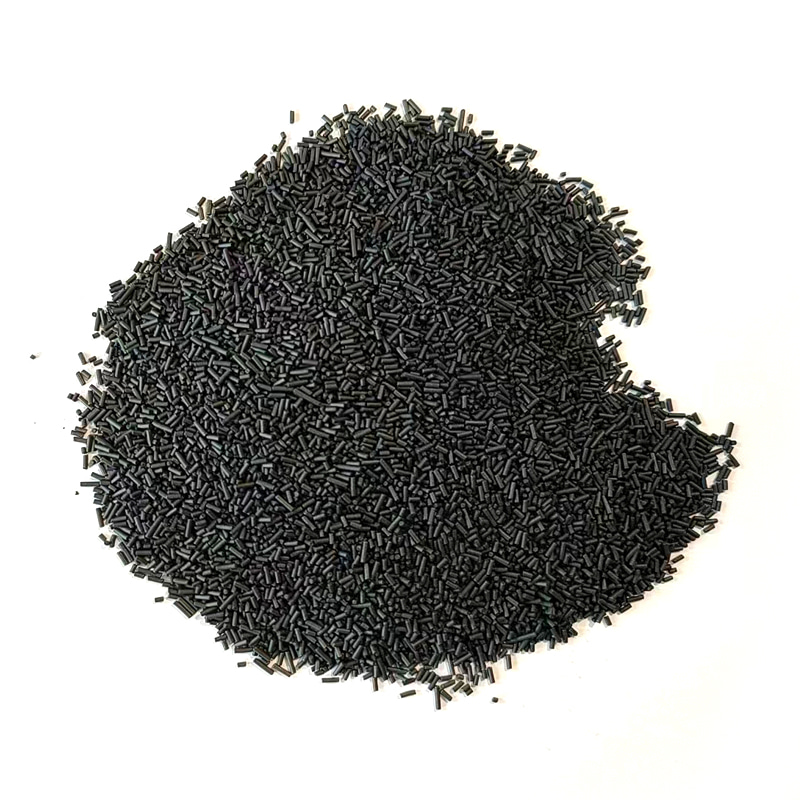
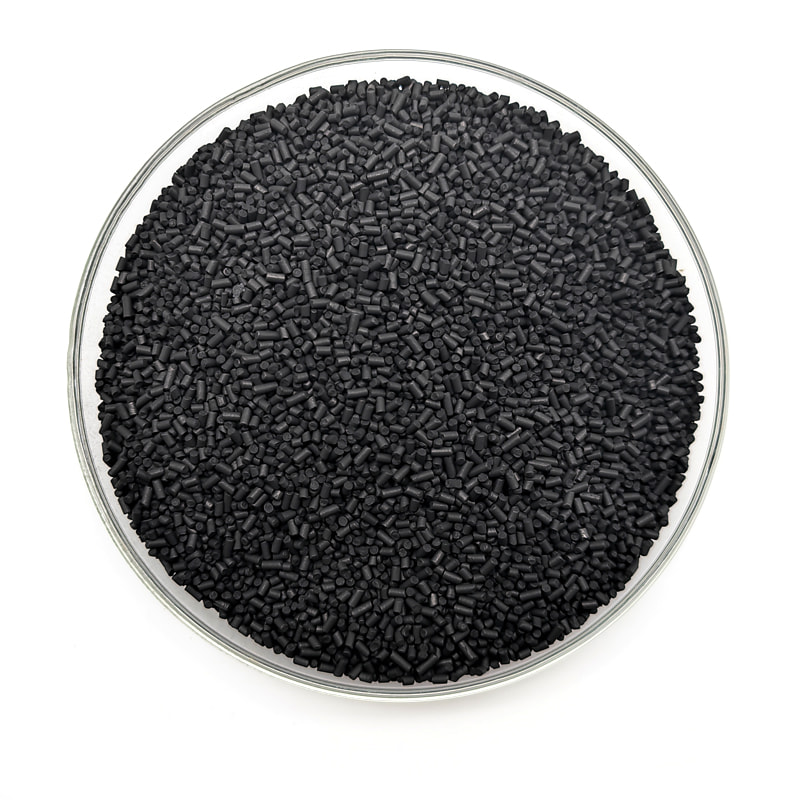 Carbon Molecular Sieve for PSA Nitrogen GenerationA porous carbon material designed for efficient oxygen-nitrogen separation, supporting on-site high-purity nitrogen production for food and beverage manufacturers using PSA systems.View Product →
Our products are sold across China and exported to Asia, South America, the Middle East, and Southeast Asia. We work with universities and listed companies on gas separation and new energy material technologies, and we continue to invest in capacity and quality systems. For food industry customers, this means a stable material supply, technical support, and a partner who understands both porous carbon and nitrogen generation.
Frequently Asked Questions
Is carbon molecular sieve the same as zeolite molecular sieve?
No. CMS is carbon-based and used mainly for oxygen and nitrogen separation in nitrogen generation. Zeolite molecular sieves are aluminosilicate materials used for drying, carbon dioxide removal, and other separation duties.
What nitrogen purity can CMS achieve for food packaging?
Typical systems produce 95% to 99.999% nitrogen. Most modified atmosphere packaging applications use 98% to 99.5%, while some beverage and pharmaceutical-grade food products may require higher purity.
How long does a carbon molecular sieve last?
With proper air treatment and operation, CMS can last five to ten years or more. Moisture, oil carryover, and high operating temperatures are the main factors that shorten service life.
Choosing the right carbon molecular sieve for food industry applications is a decision that affects product quality, food safety, and operating cost. By understanding purity requirements, feed air quality, and maintenance needs, food manufacturers can build a nitrogen system that performs reliably day after day. If you are planning a new PSA nitrogen system or replacing CMS material, our team is ready to help you evaluate the right solution for your products and production lines.



 E-mail
anhuilisa@126.com
 Phone
+86 18603224420
 Address
No. 26 Kunshan Road, Xuanzhou Economic Development Zone, Liqiao Town, Xuanzhou District, Xuancheng City, Anhui Province, P.R.China
Copyright Anhui Zhuoxu New Material Technology Co., Ltd. All rights reserved.
 Carbon Molecular Sieve Manufacturer Carbon Molecular Sieve Supplier