
 English
 中文简体
中文简体 русский
 Français
 Español
 عربى
عربى CONTACT US


Carbon Molecular Sieve Selection: How to Choose the Right CMS for PSA Nitrogen
2026-09-03
Content
When a PSA nitrogen generator is not reaching the purity your process requires, the first suspect is usually the carbon molecular sieve. Selecting a CMS grade is not a generic purchasing decision: it directly sets the maximum nitrogen purity you can achieve, the energy consumed per cubic meter of gas, and how often you have to replace the adsorbent bed. Before you compare prices or delivery times, you need to define the purity level, flow rate, and operating pressure that your own production line actually needs.
What Is a Carbon Molecular Sieve?
A carbon molecular sieve is a porous carbon material with a very narrow pore size distribution. Unlike ordinary activated carbon, which is designed for broad adsorption capacity, a CMS is engineered to separate gas molecules based on their kinetic diameter and diffusion rate. The most common application is separating nitrogen from air in a pressure swing adsorption (PSA) system. Oxygen molecules diffuse through the micropores much faster than nitrogen, so nitrogen becomes the product gas that exits the generator.
This separation principle is why CMS is often described as the "heart" of a PSA nitrogen system. The material must be consistent in pore structure, mechanically durable, and capable of withstanding thousands of pressure cycles without crumbling or losing its selectivity. For a manufacturer supplying both materials and nitrogen equipment, these properties are not just data-sheet values; they define the reliability of the entire gas supply chain.
How CMS Works in a PSA Nitrogen Generator
A PSA generator typically has two adsorption vessels filled with CMS. Pressurized air is fed into one vessel while the other is depressurized for regeneration. During the adsorption phase, oxygen is preferentially captured inside the micropores, allowing nitrogen to pass through. When the first vessel is saturated, the system switches to the second one, and the first vessel is blown down to release the adsorbed oxygen. This cycle repeats automatically.
Three factors dominate the performance of this process:
- Pore size distribution: If the pores are too large, both oxygen and nitrogen are adsorbed, reducing purity. If too narrow, the adsorption capacity drops and the generator needs more air to deliver the same nitrogen flow.
- Adsorption kinetics: The speed of oxygen uptake determines how fast the cycle can run, which directly affects the size and capital cost of the equipment.
- Mechanical strength: Pressure cycles over years of operation cause attrition. A weak CMS produces fine dust that can block valves and reduce the service life of the whole generator.
For a 99.99% nitrogen requirement, you will need a tighter pore structure and a longer cycle time. For a 99.0% application, a wider pore structure is acceptable and will deliver better energy efficiency. Choosing a CMS grade that is too tight for a low-purity application wastes energy; choosing one that is too wide for a high-purity application simply compensates with lower output and higher capital cost.
Key Performance Indicators to Compare
When evaluating a carbon molecular sieve, do not rely only on brand names or basic "99.99% purity" claims. Ask for the actual performance data at your specific operating pressure and flow rate. The following table summarizes the most meaningful selection criteria.
| Parameter | What It Measures | Practical Impact |
|---|---|---|
| Nitrogen purity achievable | Maximum N2 concentration at a given pressure and flow | Determines if the CMS can meet your process spec without additional purification steps. |
| Adsorption capacity | Volume of oxygen adsorbed per unit mass of CMS | Higher capacity means smaller vessels and lower capital cost. |
| Crushing strength | Resistance to mechanical stress | Reduces dust formation and extends bed life, especially in high-cycle applications. |
| Bulk density | Mass of CMS per volume of a filled vessel | Affects how much material is needed to fill a vessel and the overall pressure drop. |
| Regeneration behavior | How easily the CMS releases adsorbed oxygen | Faster regeneration improves the energy efficiency of each cycle. |
Supplier data sheets usually present these values at standard conditions. You should ask for test results under your actual conditions, especially if your plant operates at high altitude or has a compressed air supply at a very low dew point. This is where procurement risks often hide.
How to Choose the Right CMS Grade for Your Application
The right grade is the one that satisfies your purity requirement with the lowest total cost of ownership. The table below shows typical nitrogen purity requirements in different industries and the consequences of using a mismatched CMS.
- Electronics and semiconductors: Often require 99.999% or higher for soldering and reflow processes. A CMS grade that cannot reach this purity will force you to add a second purification step, significantly increasing operating expense.
- Food and beverage packaging: Usually need 99.0% to 99.9% nitrogen for modified atmosphere packaging. Here a high-purity CMS would produce extra energy costs without adding product value.
- Metal heat treatment: Purity demands depend on the alloy and the type of furnace. A consistent 99.5% is common for annealing, while some hardening processes need 99.99% to prevent oxidation.
- Petrochemical and pharmaceutical: These sectors often require verified inerting performance and may need trace oxygen levels below 10 ppm. CMS selection must be based on documented batch-to-batch stability, not a single laboratory sample.
A common mistake is to buy the highest-grade CMS "just to be safe." This raises the required air feed flow, increases the compressor load, and shortens the cycle time. The better approach is to define your actual target purity, then select a CMS grade that meets it with a margin of only one or two points, not a 0.05% margin that costs more than it saves.
Why Supplier Consistency and Technical Support Matter
Even a perfectly specified CMS will fail if the production process varies from lot to lot. Small changes in the raw carbon precursor or in the activation temperature can shift the pore size distribution by a few tenths of a nanometer, which is enough to change the achievable nitrogen purity by several percentage points. That is why you should choose a supplier with a measurable technical track record, not just a reseller.
At Anhui Zhuoxu New Material Technology, the production base is designed around a closed-loop supply of porous carbon materials and nitrogen equipment services. The first phase of the plant already has an annual capacity of 4,000 tons of porous carbon, and a second phase adding another 3,000 tons is planned for 2026. This scale allows the company to maintain tight quality control over the carbon molecular sieve production process, from the precursor resin to the final activated product. They also report a total of 21 core patents and ISO9001 certification, which are useful verification points when you ask for process stability and traceability.
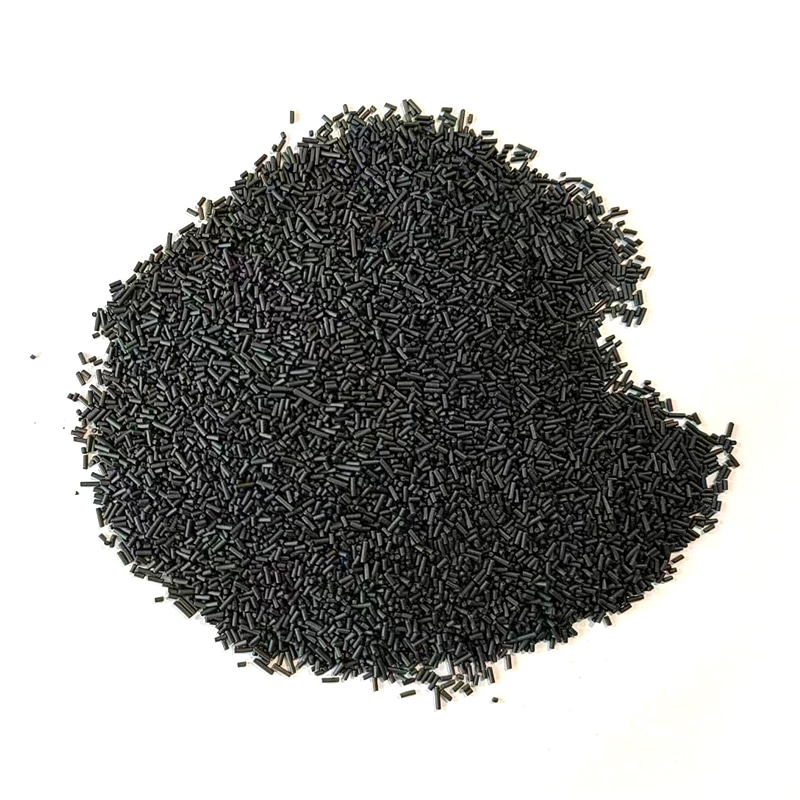
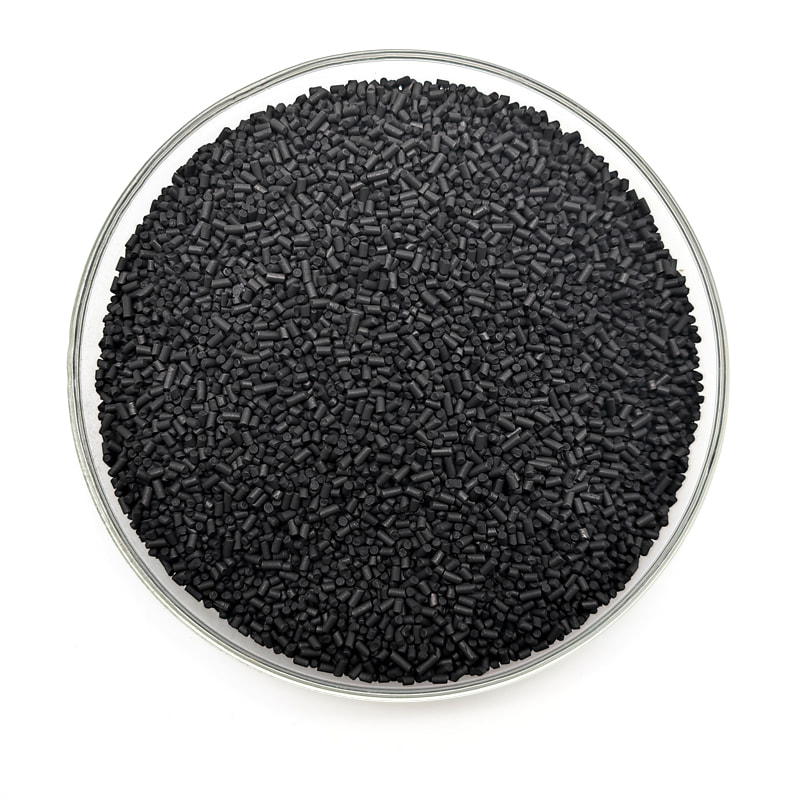 Carbon Molecular Sieve for Efficient Oxygen-Nitrogen SeparationThis CMS offers uniform pore sizes of 0.28–0.38 nm, enabling efficient oxygen-nitrogen separation in PSA systems. With strong adsorption capacity and cost-effectiveness, it merits evaluation for diverse industrial nitrogen applications, especially given the supplier's large-scale production and quality control.View Product →
When you are evaluating a CMS supplier, ask for a batch sample and run a side-by-side test in your own PSA generator. A one-week trial will reveal more about real-world performance than a thick stack of certificates. If a supplier cannot provide clear data on pore size distribution, crushing strength, and pressure drop across the bed, treat that as a red flag rather than an acceptable omission.
Making the Final Decision
The right carbon molecular sieve for your PSA nitrogen generator is the one that meets your purity target without wasting energy or consuming unnecessary air supply. Start with a clear definition of your required nitrogen purity and flow. Then compare candidate grades against a consistent set of performance data. Finally, weigh the supplier's manufacturing consistency and their ability to support you with technical advice during startup and operation. If you follow this sequence, you will avoid the two most expensive mistakes in nitrogen generation: buying a CMS that cannot reach the required purity, and buying one that exceeds your needs at a recurring energy cost.
For industrial buyers, the natural next step is to map the CMS performance data back to the actual application. Whether you are working in electronics manufacturing or metal heat treatment, the same engineering logic applies: define the process limit, verify the CMS by testing, and select a supplier you can audit. That is how a carbon molecular sieve becomes an asset rather than a recurring cost.



 E-mail
anhuilisa@126.com
E-mail
anhuilisa@126.com
 Phone
+86 18603224420
Phone
+86 18603224420
 Address
No. 26 Kunshan Road, Xuanzhou Economic Development Zone, Liqiao Town, Xuanzhou District, Xuancheng City, Anhui Province, P.R.China
Address
No. 26 Kunshan Road, Xuanzhou Economic Development Zone, Liqiao Town, Xuanzhou District, Xuancheng City, Anhui Province, P.R.China
Copyright Anhui Zhuoxu New Material Technology Co., Ltd. All rights reserved.
 Carbon Molecular Sieve Manufacturer Carbon Molecular Sieve Supplier