
 English
 中文简体
 русский
 Français
 Español
 عربى
 CONTACT US


Carbon Molecular Sieve for Tire Nitrogen Curing: A Practical Plant Guide
2026-11-12
Content
- 1 Why Nitrogen Matters in Tire Curing
- 2 How CMS Produces Nitrogen for Curing
- 3 What to Define Before Selecting CMS
- 4 CMS Properties That Affect Curing Performance
- 5 Matching CMS to the Curing Cycle
- 6 Protecting CMS Life in a Tire Plant
- 7 Working With a CMS and Nitrogen Service Partner
- 8 Key Takeaways for Tire Nitrogen Curing
Tire curing is one of those process steps where small changes in pressure, temperature, and atmosphere show up in the finished product. In a nitrogen curing system, the gas supply is not just a utility; it is part of the heat-transfer and pressurization recipe. Carbon molecular sieve (CMS) is the material that makes on-site nitrogen generation practical for many tire plants. It separates oxygen from compressed air so the plant can produce its own nitrogen at the purity and flow it needs.
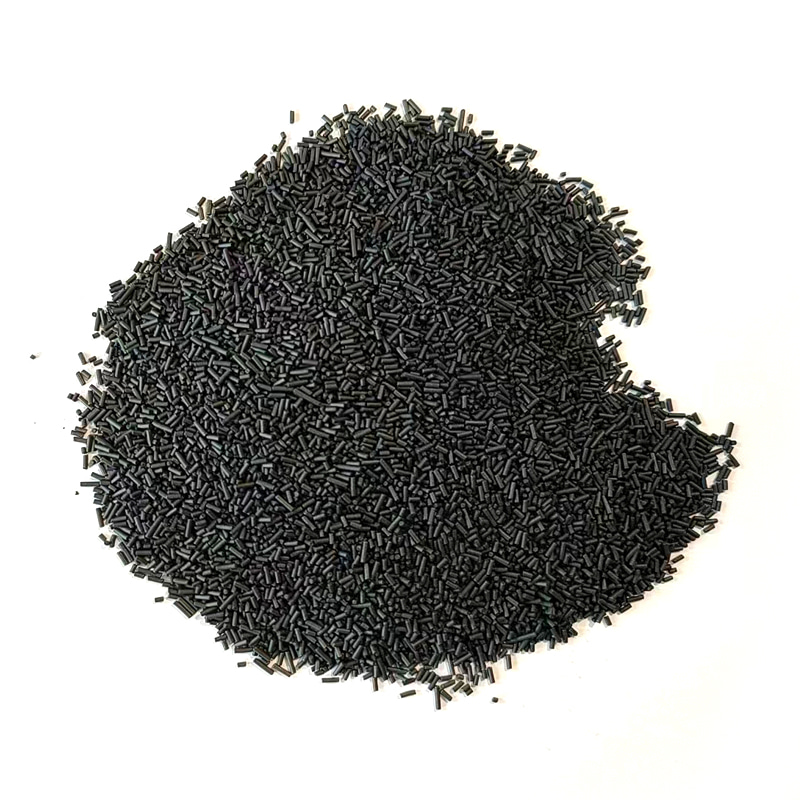
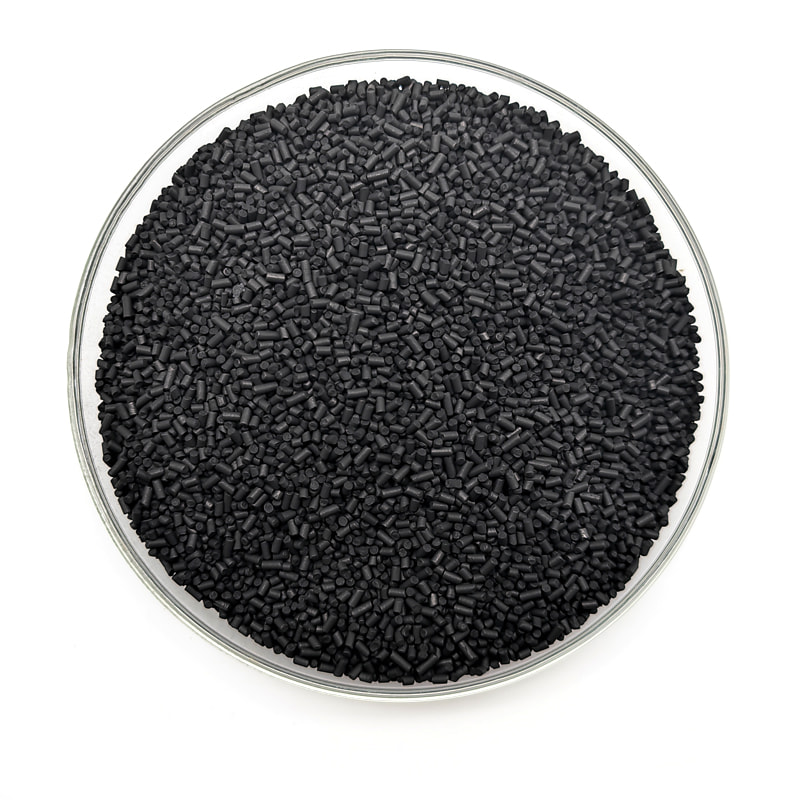 Carbon Molecular Sieve for On-Site PSA Nitrogen GenerationExplore CMS grades for PSA nitrogen generation, with purity options from 99% to 99.999% and guidance for matching tire-curing flow and purity needs.View Product →
At Anhui Zhuoxu, we work with CMS and nitrogen equipment service every day, and the questions we hear from tire engineers tend to be practical: Will the purity hold? How long will the sieve last? What happens when the curing cycle changes? This guide walks through those points in a straightforward way.
Why Nitrogen Matters in Tire Curing
Nitrogen is used in tire curing as a dry, inert pressurizing and heat-transfer medium. In many curing systems, it helps maintain stable internal pressure in the curing bladder or provides an inert atmosphere around the curing process. The appeal is simple: nitrogen is clean, non-oxidizing, and less likely to introduce moisture or contamination than some alternative media. When the supply is consistent, operators can focus on the curing recipe instead of chasing pressure or temperature drift.
The word “consistent” matters more than many people expect. A nitrogen generator that swings in purity or dew point can create subtle variation from press to press. That variation may not appear as an obvious defect at first. It can show up as uneven cure, changes in bladder life, or difficulty holding a repeatable pressure profile. For that reason, tire plants usually care about both purity and stability, not just the number on the analyzer at start-up.
How CMS Produces Nitrogen for Curing
CMS works by kinetic separation. Compressed air passes through a bed of carbon molecular sieve, and oxygen molecules diffuse into the sieve pores faster than nitrogen molecules. The oxygen is temporarily held on the carbon surface, while nitrogen-rich gas passes through. When the bed approaches saturation, the system switches to a second bed and regenerates the first one by reducing pressure and releasing the adsorbed oxygen. This pressure swing adsorption (PSA) cycle repeats continuously.
The basic sequence is easy to describe, but the details determine performance:
- Compressed air is filtered and dried to remove oil, water, and particulate matter.
- Air enters one CMS bed at controlled pressure and flow.
- Oxygen is adsorbed preferentially, and nitrogen flows to a buffer tank.
- The bed is regenerated while the second bed takes over production.
- Nitrogen purity, pressure, and dew point are monitored before the gas reaches the curing area.
In tire curing, the generator is usually sized around peak demand, average demand, and the required purity. A system that is too small may struggle during press loading or purge steps. A system that is oversized without proper control may run inefficiently or cycle in ways that reduce sieve life. The better approach is to define the curing duty profile first, then select the CMS grade and generator design around it.
What to Define Before Selecting CMS
CMS selection starts with the plant’s nitrogen demand, not with a catalogue page. Tire curing systems can differ in press size, bladder design, cycle time, purity target, and how nitrogen is used during purge and pressurization. A useful specification should include the following points.
| Parameter | Why it matters | Information to confirm |
|---|---|---|
| Nitrogen purity | Affects inerting performance and process stability | Required purity at the curing press, not only at the generator outlet |
| Flow demand | Determines bed size, cycle time, and buffer capacity | Peak flow, average flow, and short-term demand during press loading |
| Operating pressure | Influences adsorption capacity and pressure swing efficiency | Generator pressure, delivery pressure, and allowable pressure drop |
| Dew point | Moisture can affect rubber compounds and CMS performance | Required dew point and the type of air drying upstream |
| Duty cycle | Frequent cycling places mechanical and adsorption stress on the sieve | Daily operating hours, start-stop patterns, and seasonal demand changes |
It also helps to confirm how purity will be measured. A reading taken at the generator skid may not match the gas quality at the press after piping, valves, and buffer storage. Sampling point, analyzer calibration, and response time all matter when the curing recipe is sensitive to small changes.
CMS Properties That Affect Curing Performance
Carbon molecular sieve is not a single, interchangeable commodity. Different grades can vary in adsorption capacity, selectivity, crush strength, attrition resistance, particle size, moisture content, and ash level. For tire curing, the practical question is not only “How much nitrogen can this CMS make?” but “How well does it hold up under our cycle?”
Selectivity and adsorption capacity influence how much nitrogen a given bed can produce at a target purity. Crush strength and attrition resistance matter because PSA beds are repeatedly pressurized and depressurized. If the material breaks down, pressure drop can rise, fines can migrate, and the bed may lose efficiency. Particle size also affects pressure drop and flow distribution. A grade that performs well in a small laboratory column may behave differently in a full-scale generator with real air quality and real cycling.
This is where supplier data should be read carefully. Ask for performance information at operating pressure and realistic cycle conditions, not only atmospheric test results. If a plant is replacing an existing CMS charge, the history of the old bed is valuable: purity trend, pressure drop trend, feed air dew point, and any upstream filter or dryer issues. Those details often explain more than a single capacity number.
Matching CMS to the Curing Cycle
Tire curing demand is rarely flat. Nitrogen use may rise when a press is loaded, during bladder inflation, or during purge steps. If several presses share one generator, the combined demand profile can include short peaks that are much higher than the average flow. A buffer tank helps, but it cannot fully compensate for a generator that is undersized or poorly controlled.
A practical sizing review looks at peak flow, average flow, purity setpoint, allowable pressure drop, and the recovery time between peaks. It also considers how the plant operates during maintenance or low-production periods. A system designed only for full-load operation may cycle awkwardly when demand drops. Modern controls can help, but the CMS bed and air treatment still need to be selected for the range of conditions the plant actually expects.
For tire plants, stable purity at the press is usually more valuable than a headline purity number that cannot be maintained through the full cycle. The curing process needs repeatability. That means the nitrogen supply should be reviewed as part of the curing recipe, alongside temperature, pressure, and time.
Protecting CMS Life in a Tire Plant
The most common threats to CMS performance are water, oil, and particulate matter entering the bed. Feed air treatment is therefore not a secondary detail. Coalescing filters, dryers, and activated carbon stages should be specified and maintained for the actual site conditions. If the dryer is not performing, moisture can reach the CMS and reduce its effective capacity. If oil carryover occurs, the sieve pores can become contaminated in ways that are difficult or impossible to reverse.
Operators can support long CMS life with a few disciplined habits:
- Trend nitrogen purity and pressure drop daily, not only during scheduled checks.
- Replace filter elements on condition and schedule, not after a visible problem appears.
- Check dew point at the dryer outlet and at the generator inlet.
- Investigate unexplained changes in cycle time, valve performance, or buffer pressure.
- Keep a record of feed air temperature and pressure, because both affect adsorption.
- Avoid using the generator as a way to compensate for poor air treatment.
When purity begins to drift, the cause is not always the CMS itself. Leaking valves, saturated dryers, contaminated filters, and incorrect cycle settings can all produce symptoms that look like sieve failure. A systematic review usually saves money compared with replacing the CMS charge too early.
Working With a CMS and Nitrogen Service Partner
Because CMS sits between compressed air treatment and the curing press, the best results come from looking at the whole system. Our team at Anhui Zhuoxu supplies carbon molecular sieve and supports nitrogen equipment service, so we tend to look at material performance and generator operation together. That combination is useful when a plant is adding curing capacity, replacing an old sieve charge, or troubleshooting a purity problem that has been difficult to pin down.
If you are reviewing a tire nitrogen curing project, you can learn more on our tire nitrogen curing application page. It is also worth gathering your purity target, flow profile, operating pressure, and upstream air treatment details before the first technical discussion. With those basics in hand, the conversation moves quickly from general questions to the specific CMS grade and operating settings that fit your plant.
For a direct review, contact our team and share the details of your curing system. We will help you compare the options in a practical way, without overcomplicating the decision.
Key Takeaways for Tire Nitrogen Curing
Carbon molecular sieve is a small part of the overall curing system, but it has a large influence on nitrogen availability, purity stability, and operating cost. The most reliable projects define the curing demand profile first, choose a CMS grade that suits the real cycle, and protect the bed with good air treatment and routine monitoring.
If your plant is planning a nitrogen curing upgrade or reviewing an existing generator, keep the focus on repeatable gas quality at the press. That is the result the curing room needs, and it is the standard by which the CMS and the nitrogen system should be judged.


 E-mail
anhuilisa@126.com
 Phone
+86 18603224420
 Address
No. 26 Kunshan Road, Xuanzhou Economic Development Zone, Liqiao Town, Xuanzhou District, Xuancheng City, Anhui Province, P.R.China
Copyright Anhui Zhuoxu New Material Technology Co., Ltd. All rights reserved.
 Carbon Molecular Sieve Manufacturer Carbon Molecular Sieve Supplier