
 English
 中文简体
 русский
 Français
 Español
 عربى
 CONTACT US


Carbon Molecular Sieve for Electronics Industry: Key Specs & Selection
2026-09-15
Content
- 1 What Carbon Molecular Sieve Does in Electronics-Grade Nitrogen Generation
- 2 Key CMS Specifications for Electronics Industry Applications
- 3 How CMS Specifications Translate into PSA System Performance
- 4 Choosing the Right CMS Grade for the Electronics Application
- 5 Practical Considerations in Procuring CMS for Electronics Applications
- 6 Lifecycle Cost Considerations
- 7 How to Specify CMS for an Electronics Factory
- 8 Evaluating CMS Suppliers for the Electronics Industry
- 9 Conclusion: Choose CMS Based on Process Demand, Not Datasheet Maxima
An electronics plant in East Asia recently traced a batch of defective microchips to nitrogen purity fluctuations during the solder reflow stage. The root cause was not the PSA nitrogen generator itself, but a carbon molecular sieve (CMS) charge that had been selected without accounting for the plant's actual operating pressure and temperature cycles. For electronics manufacturers, where nitrogen is used for reflow soldering, wave soldering, component storage, and inert atmosphere processing, the choice of CMS is not a commodity purchasing decision. It is a process reliability decision.
Carbon molecular sieve is the adsorbent material inside pressure swing adsorption (PSA) nitrogen generators that separates nitrogen from compressed air. In the electronics industry, the consequences of poor CMS performance include oxidation damage on solder joints, inconsistent inerting in curing ovens, and increased maintenance costs from premature sieve deactivation. This article explains how CMS behaves in electronics-grade nitrogen generation, which specifications actually matter, and how to evaluate suppliers beyond the datasheet.
What Carbon Molecular Sieve Does in Electronics-Grade Nitrogen Generation
PSA nitrogen generators work by cycling compressed air through a vessel packed with CMS. Oxygen molecules diffuse into the micropores of the sieve faster than nitrogen molecules, so under pressure the oxygen is preferentially adsorbed. The nitrogen-enriched gas stream exits the top of the vessel. When the pressure is released, oxygen desorbs and the sieve is ready for the next cycle.
For electronics production, the separation performance must be stable over thousands of cycles. Unlike nitrogen generators for less demanding industries, electronics applications typically require nitrogen purity in the range of 99.5% to 99.999%, depending on the process step. CMS with inconsistent pore size distribution will produce purity swings that are invisible on a daily nitrogen analyzer reading but show up later as field failures in sensitive components.
Key CMS Specifications for Electronics Industry Applications
The CMS selection process should be driven by three performance categories: nitrogen purity capability, recovery rate, and mechanical durability. Each category connects directly to the electronics production environment.
Nitrogen Purity Capability
CMS is rated by the maximum nitrogen purity it can achieve in a PSA system. Common commercial grades include CMS-240, CMS-260, and CMS-285, where the number refers to the kilopascals of pressure at which the sieve delivers a specified purity. A CMS-260 grade, for example, is often used in systems designed for 99.99% nitrogen purity at 0.6 MPa inlet pressure. The electronics industry standard of 99.99% to 99.999% purity requires CMS grades with a narrow micropore distribution, typically in the 0.3 to 0.5 nm range.
It is important to understand that higher purity from a smaller PSA system is not automatically better. A CMS grade that achieves 99.999% purity but has a low recovery rate will consume significantly more compressed air, which translates directly into energy costs. The recovery rate is typically 35% to 45% for standard CMS grades producing 99.5% purity, and drops to 25% to 30% at 99.99% purity. The electronics plant should select CMS grade based on the specific purity target for each nitrogen use point, not on the highest possible purity number.
Pressure and Temperature Sensitivity
CMS adsorption performance is sensitive to both temperature and pressure. The Nitrogen Purity vs. Pressure relationship is essentially linear within the normal operating range of 0.5 to 0.8 MPa, but below 0.5 MPa, purity drops sharply. Temperature has a less obvious but equally important effect: for every 5°C increase in inlet air temperature, the adsorption capacity of CMS decreases by roughly 1% to 2%. Electronics factory compressed air systems often run at higher temperatures than datasheet conditions, especially in summer, because the compressor heat exchangers and dryers are undersized for peak demand. If a CMS specification is based on 20°C inlet air but the plant actually operates at 32°C, the real purity will be lower than the label suggests.
The practical implication is that CMS selection for electronics applications should include a temperature margin. The sieve vendor's performance curves should be reviewed to check whether the claimed purity is still achievable at the plant's warmest month conditions, not just at annual average conditions.
Mechanical Strength and Dust Generation
CMS particles rub against each other during pressure cycles and are also exposed to the vibration of the PSA skid. Several hundred thousand cycles during a 5-year service life cause particle attrition. The resulting dust fines can block the filters downstream of the sieve bed, reduce flow, and contaminate the nitrogen stream if the system lacks proper filtration. For electronics applications, where nitrogen may come into direct contact with solder paste or PCB surfaces, dust from CMS is a known contamination risk.
The recommended CMS grade should have a hardness rating above 90% (ASTM D3802 equivalent) and a bulk density between 650 and 700 kg per cubic meter. Suppliers should be able to provide attrition test data, not just the initial particle size analysis. It is also worth asking about the sieve's performance after accelerated life testing, since a CMS that loses 5% of its crushing strength in the first year is often still usable for general inerting, but not for electronics production.
How CMS Specifications Translate into PSA System Performance
CMS is always evaluated inside a PSA system, never in isolation. The following table shows how a typical CMS grade performs across different operating conditions, based on data that manufacturers commonly supply. These values are representative of a mid-range CMS grade suitable for electronics industry nitrogen generation; specific values vary by manufacturer and grade.
| Operating Parameter | Typical Range | Impact on Nitrogen Purity | Impact on Recovery Rate |
|---|---|---|---|
| Inlet pressure (MPa) | 0.5–0.8 | Higher pressure increases purity | Higher pressure reduces recovery |
| Inlet air temperature (°C) | 20–40 | Higher temperature reduces purity | Higher temperature reduces recovery |
| Cycle time (s) | 60–120 | Longer cycles favor purity | Shorter cycles favor recovery |
| Nitrogen purity setpoint (%) | 99.5–99.999 | Higher setpoint increases air demand | Recovery falls at higher purity |
The key point is that purity and recovery rate are inverse performance parameters. To obtain 99.999% nitrogen, the PSA cycle must be extended, which allows oxygen to occupy more of the CMS micropores and thus reduces the amount of nitrogen recovered from each cycle. For electronics applications where both purity and volume are critical, the CMS selection should be matched to the PSA control algorithm. Low-purity grades used for 99.5% nitrogen will not simply "run longer" to reach 99.999% purity; they physically lack the pore structure to separate nitrogen at that level.
Choosing the Right CMS Grade for the Electronics Application
The first decision an electronics manufacturer faces is between standard CMS grades and high-purity dedicated grades. The table below compares two common CMS types and what they mean for a PSA nitrogen system.
| Parameter | Standard CMS | High-Purity CMS |
|---|---|---|
| Typical purity achieved | 99.5%–99.9% | 99.99%–99.999% |
| Recovery rate at rated purity | 40%–50% | 25%–35% |
| Micropore range | 0.4–0.6 nm | 0.3–0.5 nm |
| Relative cost per ton | Baseline | 1.5×–2× baseline |
| Typical electronics use | Wave soldering, storage purging | Reflow soldering, wafer fab inerting |
For an electronics manufacturer using nitrogen at multiple purity levels, the practical approach is to install two PSA systems: one with standard CMS for bulk inerting at 99.5% purity (wave soldering, storage cabinets, solder paste stencil cleaning), and one with high-purity CMS for critical steps at 99.99% or above (reflow soldering under nitrogen, component baking, cleanroom glove boxes). This avoids overpaying for high-purity CMS where it is not required, and avoids compromising purity where it is.
Practical Considerations in Procuring CMS for Electronics Applications
The CMS merchant for electronics applications is not just a material supplier. The purchase should be evaluated against the following criteria, which go beyond the product datasheet:
- Particle size consistency. Ask for the manufacturer's particle size distribution curve, not just a single average number. CMS particles in the 1.8–2.2 mm range are common for PSA systems, but a wide distribution can cause localized bed compaction and higher pressure drops. Electronics plants with limited compressor margin are especially sensitive to this.
- Moisture and adsorption capacity stability. CMS exposed to moisture during storage or handling will lose adsorption capacity. Check whether the supplier ships in sealed steel drums with desiccant and whether the product has a stated shelf life under those conditions.
- Filter compatibility. The CMS bed is often protected by an inlet filter and followed by an outlet filter. Verify that the CMS hardness rating matches the filtration design. If the CMS has high dust generation, the downstream filter will block sooner and may need to be replaced more frequently than the PSA system's standard maintenance schedule.
- Supplier support for system optimization. When the electron manufacturer operates the PSA system at high purity, the CMS is being run closer to its physical limits. The supplier should be able to provide operating guidance on cycle times, equalization settings, and regeneration parameters. A supplier that only ships materials without giving technical support is less suitable for the electronics industry, where process gases are directly tied to product yield.
The application context also matters. Electronics and semiconductor nitrogen systems typically require coordinated design between the PSA skid, the buffer tank, and the point-of-use filtration. CMS selected based only on purity capacity may not perform well if the system's cycle time is outside the intended range. It is always recommended to share the actual PSA operating parameters with the CMS supplier before finalizing the grade.
Lifecycle Cost Considerations
CMS price is a modest part of the total cost of owning a nitrogen generation system over a 10-year period. The more significant costs are compressed air energy, maintenance labor, filter replacements, and downtime from purity failures. A cheaper CMS grade that produces 2% lower recovery at the same purity will increase the plant's air compressor electricity consumption permanently. Over a 10-year lifespan, this energy penalty can be several times the initial CMS purchase cost.
In electronics production, downtime costs are typically far higher than energy costs. If the CMS bed fails prematurely and the PSA system needs to be refilled, the plant may lose a full production shift. This risk strongly favors using a CMS grade with a proven track record in similar electronics applications, even if the price per ton is higher. The correct calculation is the cost per year of reliable operation, not the cost per ton at the time of purchase.
How to Specify CMS for an Electronics Factory
When writing a CMS specification for an electronics facility, the following parameters should be defined from the start:
- Required nitrogen purity for each major process step (e.g., 99.99% for reflow, 99.5% for wave soldering, 99.99% for component storage).
- Maximum nitrogen flow rate in normal cubic meters per hour under the most demanding operating scenario.
- Inlet air condition range: pressure, temperature, and moisture content at the PSA system inlet, including worst-case summer conditions.
- CMS bulk density, particle size range, and hardness values that the supplier must certify.
- Guaranteed recovery rate at the specified purity level, with the test method and measurement tolerance defined.
- Lead time and delivery form (drum type, weight, sealing method, storage temperature range).
A specification with these items gives both the manufacturer and the CMS supplier a clear evaluation basis. For buyers who are not comfortable defining the recovery rate value, requesting the supplier to provide the full performance curve at three different purities is an acceptable alternative.
Evaluating CMS Suppliers for the Electronics Industry
Not all CMS suppliers have experience in the electronics sector. The following questions can help in shortlisting qualified suppliers:
- Can the supplier provide reference installations in electronics factories, not just general industrial PSA nitrogen installations?
- Does the supplier have documented quality control procedures for particle size distribution, hardness, and adsorption capacity in every batch?
- What is the supplier's maximum monthly production capacity for the specific CMS grade being considered?
- Does the supplier offer a technical service team that can assist with PSA troubleshooting beyond the sieve itself?
- Is the CMS product backed by a specification sheet that includes performance under varying temperature and pressure, not just a single nominal value?
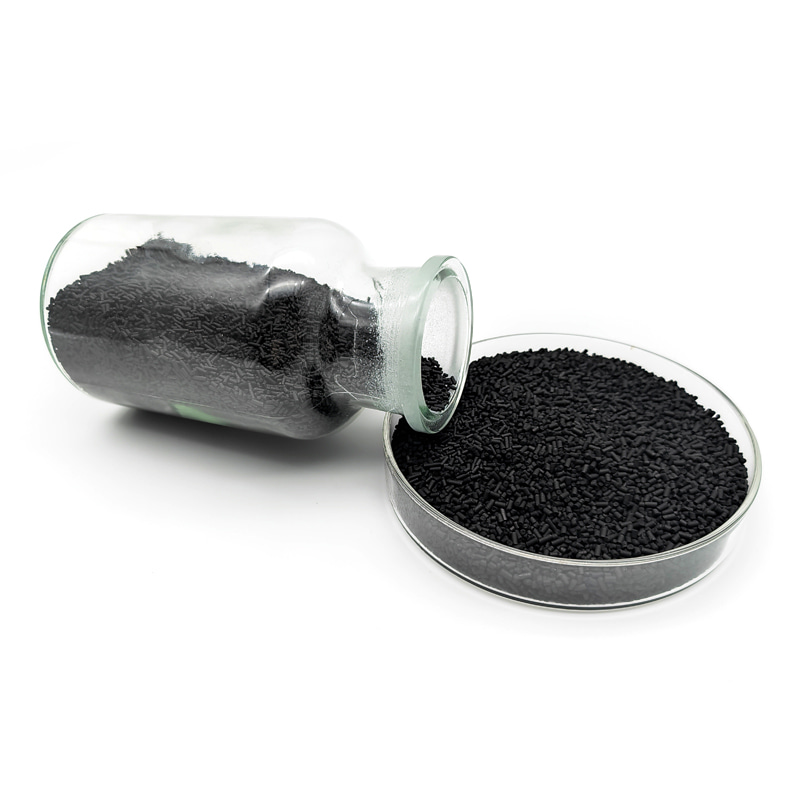
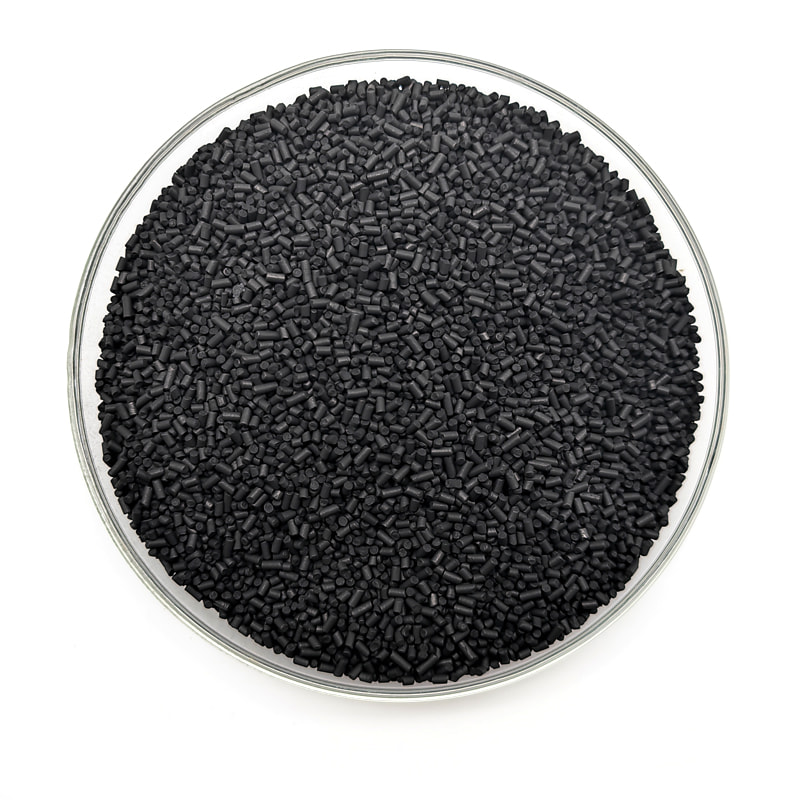
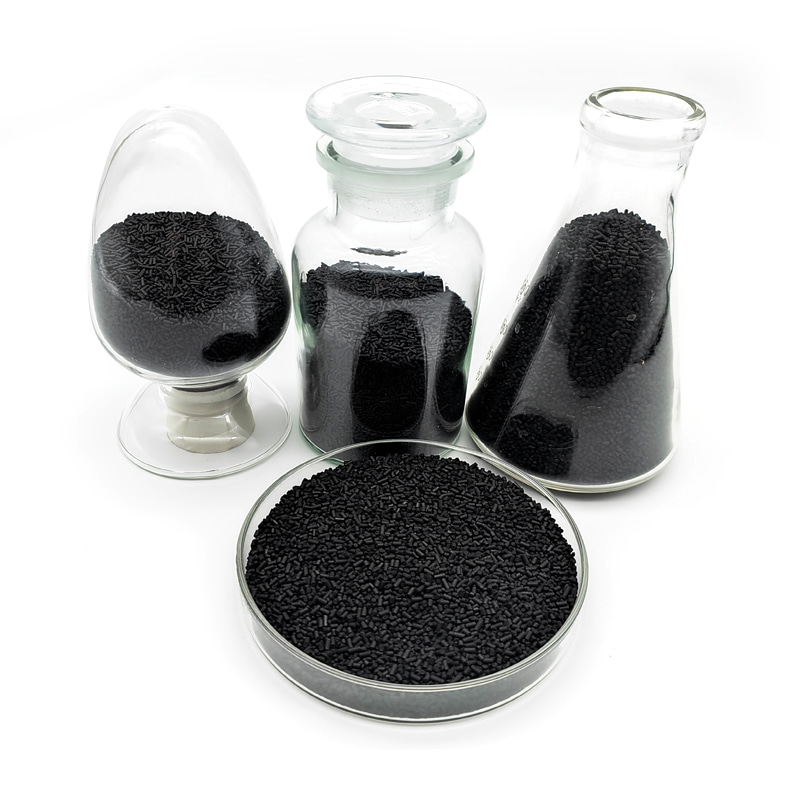
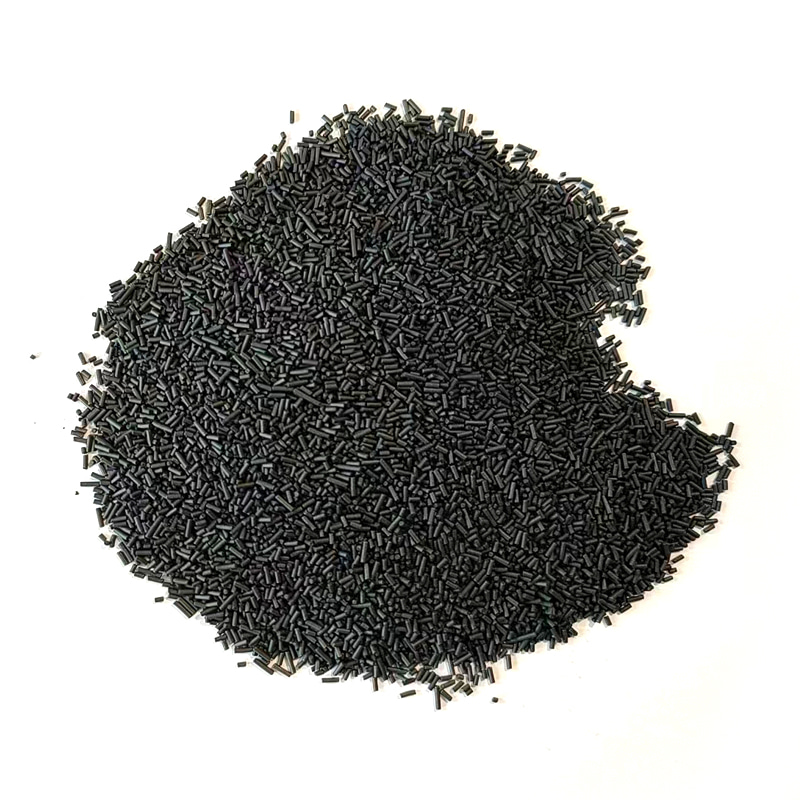
Suppliers that manufacture CMS from resin-based porous carbon precursors generally show more consistent micropore control than those relying on coal-based or coconut-shell activated carbon routes. The precursor chemistry affects the pore size distribution, and resin-based materials typically provide a narrower pore window—which is beneficial for electron industry nitrogen purity. A manufacturer that controls both the precursor and the carbonization process, rather than buying raw CMS and reselling it, is usually better positioned to guarantee batch-to-batch consistency. For reference, the carbon molecular sieve product is an example of a resin-based CMS supplied for PSA nitrogen applications.
Conclusion: Choose CMS Based on Process Demand, Not Datasheet Maxima
The electronics industry imposes stricter demands on carbon molecular sieve performance than most nitrogen-using sectors. The correct CMS grade is the one that achieves the required nitrogen purity at the actual operating pressure and temperature of the plant, with a recovery rate low enough to be energy-efficient but not so low that the compressor becomes a bottleneck. Dust generation, mechanical hardness, and batch consistency are equally critical, because they determine the long-term stability of the nitrogen supply.
Electronics producers should work with CRM suppliers who understand PSA system dynamics and can provide application-specific guidance. By defining the purity requirement for each use point, confirming the sieve's performance under operating boundaries, and evaluating the supplier's manufacturing capability and quality assurance, the electronics factory can secure a nitrogen supply that protects both product yield and operational cost. The experience of the defective microchip batch at the start is avoidable—the sieve selection process simply needs to be as disciplined as the electronics production process itself.



 E-mail
anhuilisa@126.com
 Phone
+86 18603224420
 Address
No. 26 Kunshan Road, Xuanzhou Economic Development Zone, Liqiao Town, Xuanzhou District, Xuancheng City, Anhui Province, P.R.China
Copyright Anhui Zhuoxu New Material Technology Co., Ltd. All rights reserved.
 Carbon Molecular Sieve Manufacturer Carbon Molecular Sieve Supplier